

Mammals
Live-birth or Eggs?
Evolutionists aren’t joking when they ask, “What came first, the live-birth or the egg?” Evolutionists generally consider the egg-laying mode of reproduction to be more primitive than live-bearing. If egg-laying really is more primitive, then where are all the early egg-laying mammals?
The Platypus—Egg Laying Mammal?
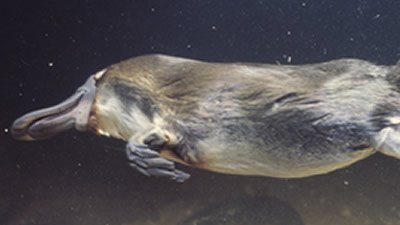
The platypus has perplexed scientists since its discovery by Europeans in the late 18th century. There is nothing in the fossil record to indicate that the platypus was ever anything other than a platypus. It is not a living “transitional” form. It is a truly unique creature, and one that continues to baffle those who insist on making it fit into an evolutionary tree.
Apes and Tools
While apes are skilled tool-users, their skills are generally no better than the abilities of some birds, dolphins, and some elephants. As creationists, we know that the anatomical similarities between man and ape are the result not of a common ancestor, but of a common Creator. Furthermore, man was made in God’s image (Genesis 1:26–27).
The Cat Kind
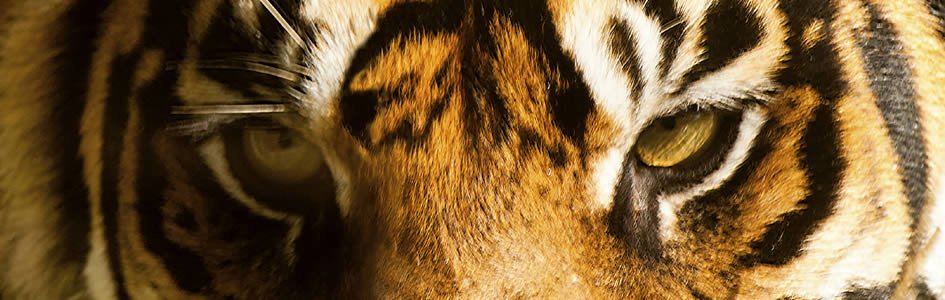
Whether it’s a fierce tiger basking in the sunshine or a fun-loving tomcat crouched and waiting to play with its owner, one of the most beautiful of God’s creatures is the cat. Big or small, roaring or purring, cats possess unique characteristics: they are meticulous groomers, they love to slink, pounce, and play, and they are independent.
The Dog Kind
The originally created canine, like all kinds of creatures, was created to reproduce after its kind. The canine genome originally created by God has provided the raw material for an innumerable variety of canines, but they are all still canines. No evolution in the molecules-to-man sense was required to produce dog diversity.
Articles About Mammals
-
Oct. 30, 2017 from Answers in Depth
The colorful history of the domestic cat, filled in by the latest paleogenetic study, illustrates many fun facts that are consistent with biblical truth.
-
Aug. 11, 2017 from 10 Cursed Creatures with Undeniable Design
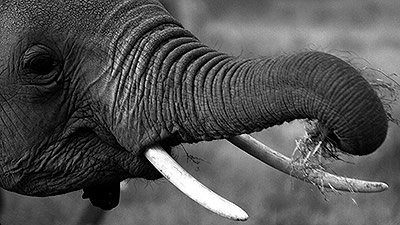
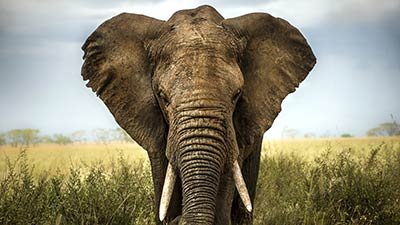
An elephant’s trunk is like a built-in multi-purpose tool. Weighing in at roughly 300 to 400 pounds, the trunk is no lightweight piece of equipment.
-
June 13, 2017 from 10 Cursed Creatures with Undeniable Design
From an acorn-size egg hatches a creature with a duck-like bill, beaver-like tail, and reptile-like stance. It’s a bird! It’s a reptile! It’s a—platypus!
-
June 2, 2017 from Answers in Depth
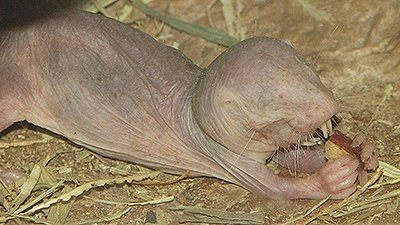
Naked mole-rats survive extreme oxygen deprivation in their crowded burrows by switching on fructose metabolizing machinery in their heart and brain cells.
-
May 21, 2017 from Answers Magazine
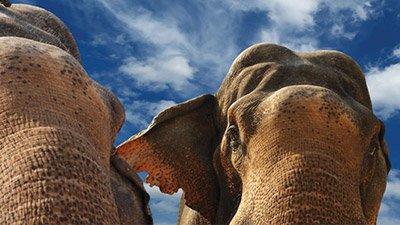
Quick, can you tell the difference between an African and an Asian elephant?
-
Feb. 19, 2017 from Answers Magazine
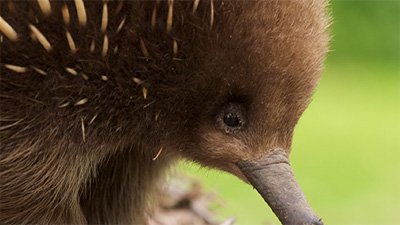
Evolution is hard-pressed to explain this prickly little digger. That’s because the Creator made it like no other single animal.
-
Oct. 2, 2016 from Answers Magazine
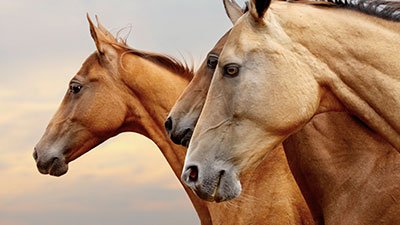
The Creator gave a few select animals—such as horses and camels—unique abilities to serve alongside people in harsh environments.
-
Sept. 22, 2016 from Answers Magazine
Scientists are learning more and more about the marvelous abilities of animals, which go far beyond physical design.
-
Aug. 21, 2016 from Answers Magazine
It’s easy to see why dogs are a hunter’s best friend. But sailors? Go topside to examine a swabbie’s shoe, and you’ll find your answer.
-
July 17, 2016 from Answers Magazine
God designed one mighty beast to thrive in extreme Tibetan conditions.
-
May 26, 2016 from Answers in Depth
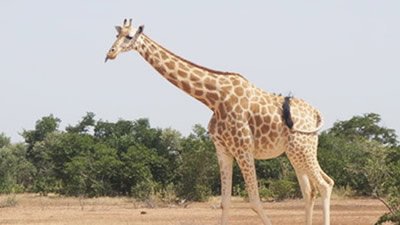
The giraffe’s genome explains its long neck but does not support an evolutionary tall tale.
-
April 1, 2016 from Answers Magazine
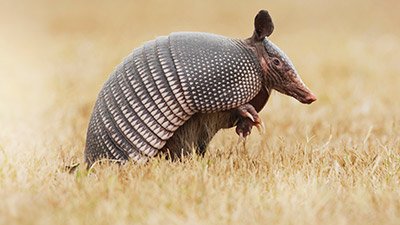
Wandering around America’s grasslands is one of the world’s most talented banditos. But robbing vaults and escaping capture requires more than a tough hide.
-
March 6, 2016 from Answers Magazine
God designed a clever coat of insulation that makes life a breeze for animals that call the arctic their home.
-
Magazine Department ArticleClimbing FeatJan. 1, 2016 from Answers Magazine
God designed goats to face altitude with attitude and to take death-defying feats in stride.
-
Oct. 25, 2015 from Answers Magazine
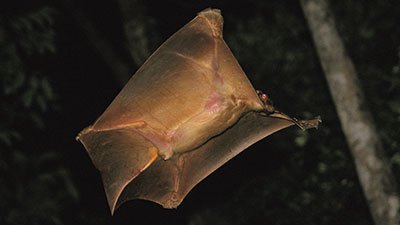
The colugo glides like no other mammal on earth and proves that our ingenious Creator knows how to surprise us.
-
Oct. 1, 2015 from Answers Magazine
One reason rhinos rule the African plain has nothing to do with their horns or size.
-
In-Depth ArticleGiant Panda’s Vegetarian Plight: An Evolutionary Dilemma?June 30, 2015 from Answers in Depth
The giant panda’s adaptations for its specialized herbivorous diet may have fit it for its environment through the ordinary processes of natural selection.
-
Magazine Department ArticleGrounds for ReevaluationApril 1, 2015 from Answers Magazine
The fossil of a creature resembling a groundhog that lived during the time of dinosaurs has become an anomaly for evolutionists.
-
Magazine Department ArticleKitty KindsApril 1, 2015 from Answers Magazine
The first high-quality sequence of the cat genome has yielded some answers to why cats condescend to grace ordinary human beings with their companionship.
-
March 8, 2015 from Answers Magazine
High in the Andes, a furry member of the raccoon family has lived quietly for centuries without detection.
-
In-Depth ArticleHorse Ancestor Said to Have Evolved in IndiaJan. 29, 2015 from Answers in Depth
Like other extinct mammals that “suddenly” appear in the fossil record, this “discovery” is no mystery but a descendant of animals God created 6,000 years ago.







Support the creation/gospel message by donating or getting involved!

Answers in Genesis is an apologetics ministry, dedicated to helping Christians defend their faith and proclaim the good news of Jesus Christ.
- Customer Service 800.778.3390
- Available Monday–Friday | 9 AM–5 PM ET
- © 2026 Answers in Genesis