

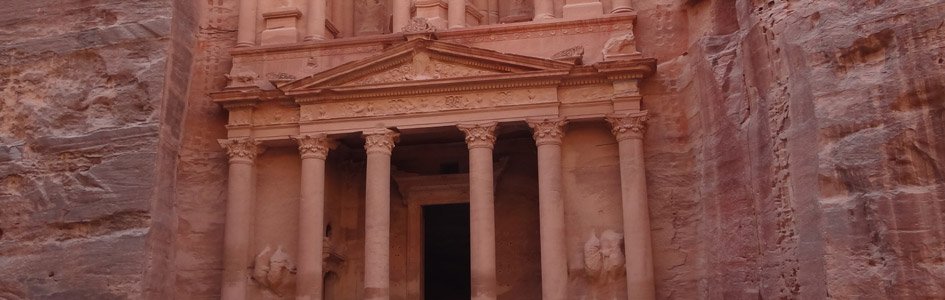
Archaeology
Dead Sea Scrolls
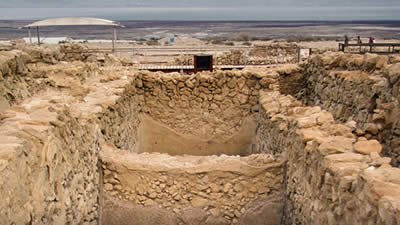
Can ancient light be shed on modern issues of interpretation? The Qumran scrolls contain the most ancient surviving interpretations of the Genesis Flood. Several first-century BC manuscripts talk about the Flood and confirm our current understanding of a global, catastrophic flood in Noah’s day. The Qumran scrolls confirm that we can trust God’s Word.
Archaeology and the Bible
Archaeologists once boasted that the Bible was full of errors because no independent, historic evidence had been found to confirm the Bible’s claims. But a slew of astounding discoveries has put a damper on their boasting. - Archaeology provides us with fascinating and amazing affirmations of Scripture’s accuracy and trustworthiness.
Intelligence of Ancient Man
From an evolutionary perspective, most people today believe that ancient man originally communicated with grunts, and then over time went from making “primitive” items (e.g., stone tools) to working with bronze and iron. However, the evidence confirms humans have been highly intelligent from the beginning and could quickly gain knowledge to create sophisticated technology.
What About the Dates of Ancient Egypt?
The Bible’s history gives far fewer years before Abraham than the ancient histories of other cultures, such as the king lists of the Sumerians and the Egyptians. However, it seems that priests and writers of these other histories purposely stretched their dates and histories, perhaps to show that their own culture was superior to all others.
Articles About Archaeology
-
Magazine Department ArticleTrashing the BibleApril 1, 2016 from Answers Magazine
The past few decades of biblical archaeology have been characterized by what’s called a minimalist view of the Bible.
-
Dec. 6, 2015 from Answers Magazine
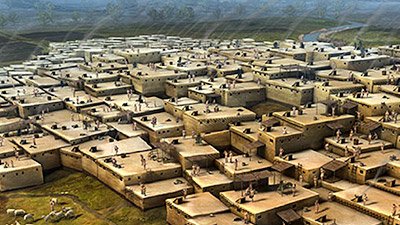
What if you could go back in time to visit one of the first settlements after Babel?
-
In-Depth ArticleTrillions of “Artifacts”—Who’s Really Got the Problem?July 7, 2015 from Answers in Depth
Do trillions of artifacts found in Africa and elsewhere prove that the young-earth creation view is ridiculous?
-
A Pre-Flood Empire?Jan. 27, 2015 from Thinking Outside the Box
Perhaps Lamech ruled over much of the pre-Flood world, and he gave his sons control over these various industries.
-
Aug. 27, 2014 from The New Answers Book 1
God has vindicated His Word, and His Book is a genuine writing, with prophecies and revelation that must be taken seriously.
-
Aug. 17, 2014 from Answers Magazine
Archaeology provides us with fascinating and amazing affirmations of Scripture’s accuracy and trustworthiness.
-
July 1, 2014 from Answers Magazine
When Palestine was first opened to archaeologists, they were excited to seek evidence of Israel’s Conquest.
-
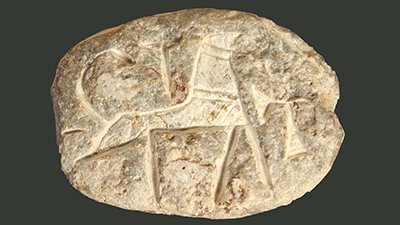
Feedback: Does Archaeology Prove the Bible Is Right About Camels?April 4, 2014
While archaeological evidence does suggest the economic importance of camels in the ancient world, the ultimate battle is the observer’s presuppositions regarding God and His Word.
-
Magazine Department ArticleCreative CompulsionJan. 1, 2014 from Answers Magazine
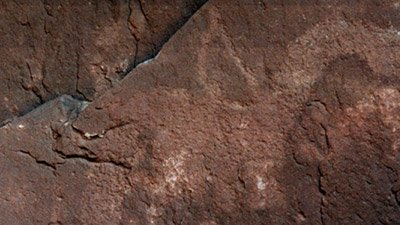
Archaeologists are excited about recent carbon dating of petroglyphs in Nevada.
-
June 23, 2013 from Answers Magazine
For decades secular archaeologists have dismissed the Bible’s account of Joshua’s battle at Ai. But what if they’re looking in the wrong place?
-
Magazine Department ArticleSigns of the PastApril 1, 2013 from Answers Magazine
With the Bible as our starting point, we can begin to put together the truth about the Ice Age.
-
Magazine Department ArticleThe Return of King DavidJune 22, 2012 from Answers Magazine
After years in exile, King David has returned to Israel.
-
In-Depth ArticleArchaeology and the BibleMay 23, 2012 from Answers in Depth
Many archaeologists who excavate biblical lands reach conclusions that differ with the historical account of Scripture. How should a Christian respond?
-
Oct. 1, 2011 from Answers Magazine
A recent paper in a scientific journal purports to scratch away at the popular creationist claim that various rock impressions in Utah look like dinosaurs.
-
BBC News: “Jordan Battles to Regain ‘Priceless’ Christian Relics”April 2, 2011 from News to Know
International intrigue, ancient symbols and codes, flash floods in remote archaeological sites, a 2,000-year-old buried secret, and the truth about early Christianity: are they all plot elements of the latest blockbuster page-turner?
-
Aug. 1, 2010 from Answers Magazine
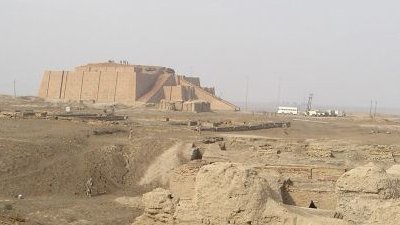
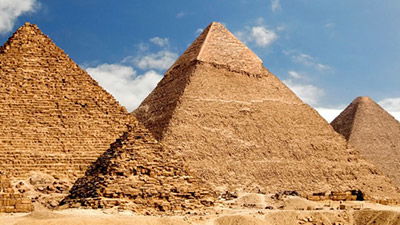
What do pyramids and ziggurats left by civilizations tell us about the families who left Babel?
-
Magazine Article“Pop” Cultures of AntiquityJuly 25, 2010 from Answers Magazine
Civilizations of antiquity did not slowly evolve or trickle into history over tens of thousands of years.
-
June 20, 2010 from Answers Magazine
Which Was the First Nation?
-
Artifacts Thought to be from Ancient Pagan TempleJune 19, 2010
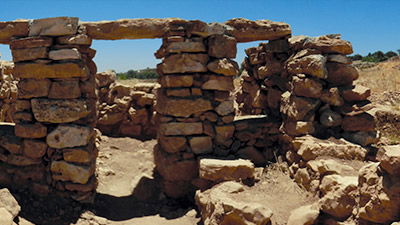
Archaeologists in Israel have excavated artifacts thought to be from an ancient pagan temple.
-
Joseph's Cash StashOct. 10, 2009 from News to Know
Archaeologists may have found evidence for the Joseph of Genesis in Egypt, a news agency has reported.
-
The Content of a CodexJuly 11, 2009 from News to Know
The world’s oldest known Bible: should it disturb Christians?
-
Magazine Department ArticleParadise Found?June 3, 2009 from Answers Magazine
Did archaeologists uncover a possible temple from the Garden of Eden?

Support the creation/gospel message by donating or getting involved!

Answers in Genesis is an apologetics ministry, dedicated to helping Christians defend their faith and proclaim the good news of Jesus Christ.
- Customer Service 800.778.3390
- Available Monday–Friday | 9 AM–5 PM ET
- © 2026 Answers in Genesis