


Insects
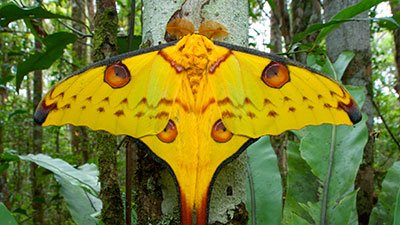
Beautiful Butterflies
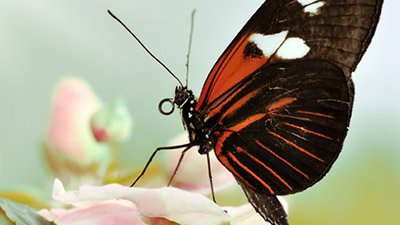
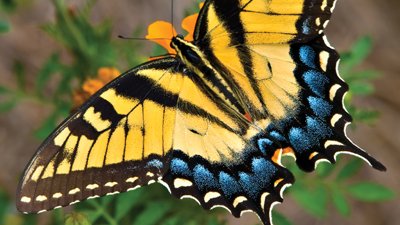
Butterflies are found worldwide. They live on every continent, except Antarctica, and in many diverse environments. They come in a variety of shapes and sizes, and their colors span the rainbow. Like flowers in flight, butterflies manifest the artwork of God across the globe.
Fire-loving Beetle
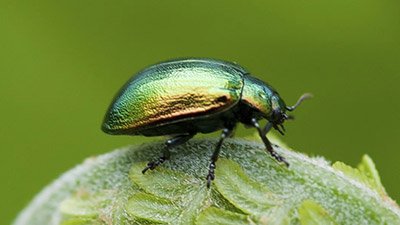
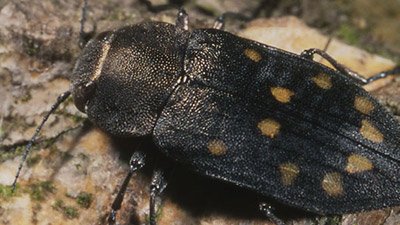
The Melanophila beetle is one of many creatures that actually hunt for fires. Its name means “black-loving” because the beetle likes freshly burned, blackened wood, where the female lays her eggs. Often the charred wood is still hot and smoldering when the beetles arrive.
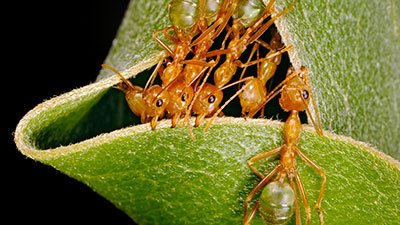
Amazing Ants
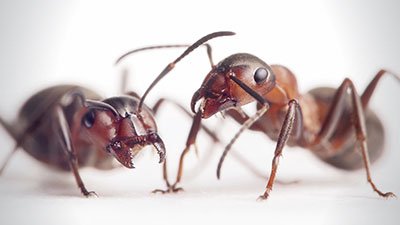
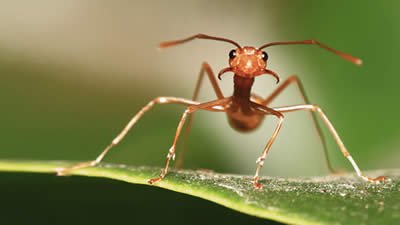
Ants have taken over the world, it seems, but they didn’t do it alone! One reason they’re so successful is their ability to communicate with each other—where to go, what to watch out for, how to help.
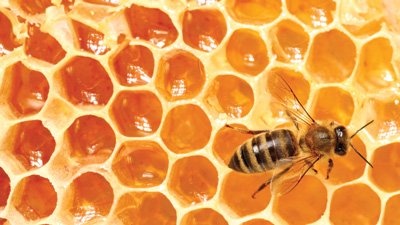
Bee Scouts
Bee scouts seek out new flowers and new sources of food. But what motivates a bee scout? What makes her take risks, explore the unfamiliar, unselfishly bring back news of her discoveries and set out again to spend herself for the sake of the hive?
Articles About Insects
-
June 20, 2017 from 10 Cursed Creatures with Undeniable Design
A single worker bee may add merely one-twelfth of a teaspoon of prized honey to its colony. Yet the power of the bee is in the cooperation of the colony.
-
Oct. 16, 2016 from Answers Magazine
Gifted ant architects have built thriving cities on every continent—using every imaginable kind of material.
-
Aug. 7, 2016 from Answers Magazine
The family of giant silk moths, or Saturniidae, includes the largest—and arguably most beautiful—moths in the world.
-
Magazine Department ArticleBee BeaconsJan. 1, 2016 from Answers Magazine
Flowers guide bees in ways invisible to human eyes. And the bees have some pretty sophisticated onboard equipment to detect those floral beacons.
-
Nov. 8, 2015 from Answers Magazine
Ant behavior may help us save lives. Creation is overflowing with such practical ideas and possible solutions to our most vexing problems.
-
July 14, 2015 from Answers Magazine
What if badges could change color in an explosion, giving doctors vital information about the severity of the shock?
-
-
Magazine Department ArticleDinosaur MothJuly 1, 2015 from Answers Magazine
Researchers on Australia’s Kangaroo Island have discovered a tiny moth they claim has remained essentially unchanged for 40 million years.
-
May 14, 2015 from Answers in Depth
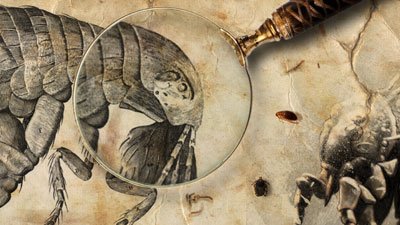
Fleas are considered a nuisance. How can they be explained as a part of God’s very good creation?
-
March 22, 2015 from Answers Magazine
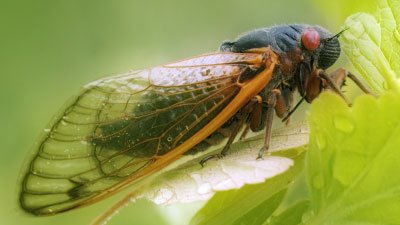
What’s fascinating about periodical cicadas is their sheer numbers and the mysterious timing of their emergence from hiding.
-
Feb. 13, 2015 from Answers in Depth
Research shows that bedbugs are still bedbugs. They don't demonstrate Darwinian evolution—they vary within their created kind to survive in a sin-cursed world.
-
Feb. 1, 2015 from Answers Magazine
Since the dawn of time, people have marveled at the caterpillar’s visible transformation into a butterfly.
-
Jan. 1, 2015 from Answers Magazine
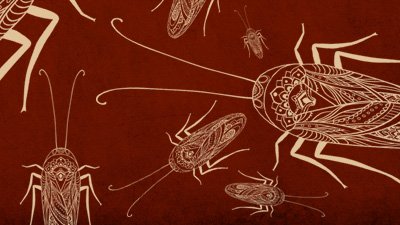
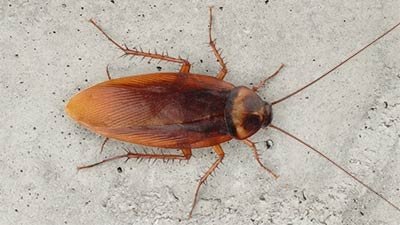
Most people would be happy to live in a world without cockroaches. But even creatures we see as pests show God’s amazing designs.
-
Nov. 9, 2014 from Answers Magazine
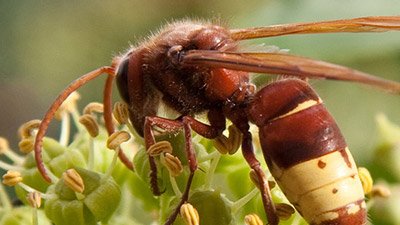
Recently the abdomen of a certain hornet was discovered to have intricate structures that look like space-age solar panels.
-
Sept. 2, 2014 from Answers Magazine
One reason ants are so successful is because of their ability to communicate with each other.
-
July 1, 2014 from Answers Magazine
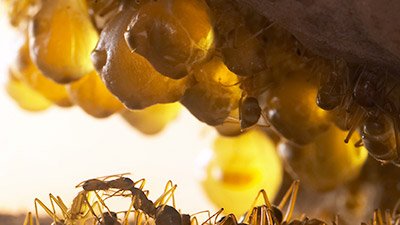
Honeypot ants gorge until they can’t leave the nest.
-
March 2, 2014 from Answers Magazine
The Melanophila beetle is one of many creatures that actually hunt for fires.
-
In-Depth ArticleHoneybees Navigate with a Map of Polarized LightJan. 30, 2014 from Answers in Depth
The uncanny ability of honeybees to remember and communicate the location of sweet nectar has been the subject of ongoing investigations.
-
Fig Wasp Fossil Said to Pre-Date Figs by 65 Million YearsDec. 26, 2013 from News to Know
Fig wasp fossil shows up too “soon” in the fossil record.
-
June 9, 2013 from Answers Magazine
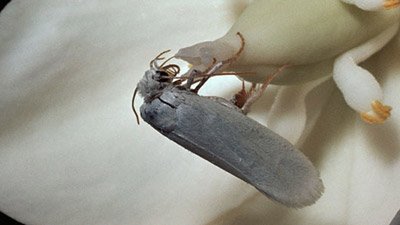
A special moth-flower relationship, discovered in arid regions of North America, has inspired the wonder of biologists worldwide.
-
Feb. 24, 2013 from Answers Magazine
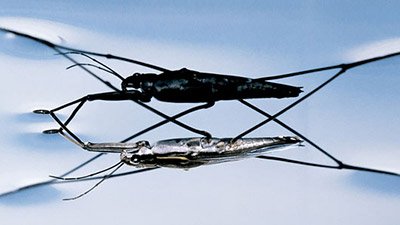
Since creation, water striders have been skipping effortlessly across lakes and ponds. The secret is an ingenious design that only the Great Designer could have invented.
-
Do Bees and Humans Share a Bold Explorer Gene?March 24, 2012
To Boldly Go Where No Bee Has Gone Before

Support the creation/gospel message by donating or getting involved!

Answers in Genesis is an apologetics ministry, dedicated to helping Christians defend their faith and proclaim the good news of Jesus Christ.
- Customer Service 800.778.3390
- Available Monday–Friday | 9 AM–5 PM ET
- © 2026 Answers in Genesis