
Plants
Did Plants Die Before the Fall?
We commonly use the word die to describe when plants, animals, or humans no longer function biologically. However, this is not the definition of the word die or death in the Old Testament. The Hebrew word for die is used only in relation to the death of man or animals with the breath of life, not regarding plants.
Carnivorous Plants
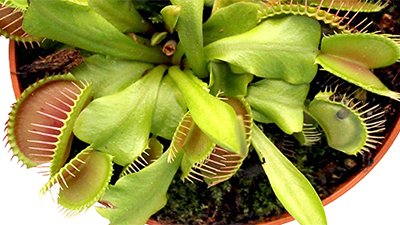
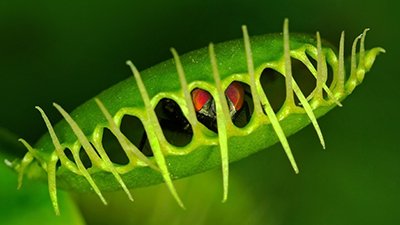
More than 600 species of plants are known to be carnivorous. Today’s carnivorous plants show just how topsy-turvy the world has become. After Adam’s rebellion, God cursed the earth so that it would bring forth “thorns and thistles”. Plants once meant for good can now cause harm.
Evolution of Flowers
Darwin considered the floral biodiversity in the fossil record to be an “abominable mystery” as he could not understand how such variety could appear all at once through evolutionary processes. Evolutionists since Darwin’s time have puzzled over how so many sorts of flowers could evolve so quickly.
Photosynthesis—A Manufacturing Process Like None Other
The ability of plants to produce food from the sun (photosynthesis) is one of the most important and complex biological processes known to scientists. By God’s design, we have more than just spinach to eat. No, The Creator filled the earth with an unimaginable variety and abundance of foods.
Articles About Plants
-
June 22, 2025 from Answers Magazine
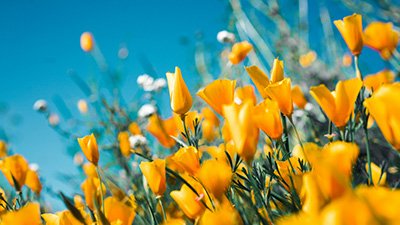
What can the flowers of the field teach us about trusting God?
-
April 1, 2025 from Answers Magazine
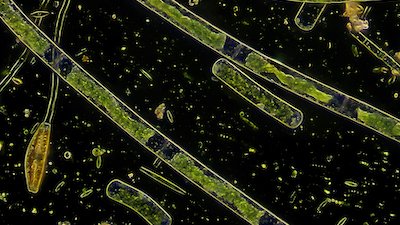
This microscopic, plant-like organism needs sunlight to photosynthesize—and it’s a long way up to the light!
-
April 1, 2025 from Answers Magazine
The garden of Eden was likely much different than we might imagine.
-
March 2, 2025 from Answers Magazine
After God cursed the earth, the war between man and weeds began. And the weeds seem to have the upper hand.
-
Oct. 3, 2024 from Ken Ham Blog
Archaeologists found a seed believed to be about 1,000 years old in a cave and decided to plant it—and now 14 years later they have a 10-foot-tall tree growing.
-
Oct. 1, 2024 from Answers Magazine
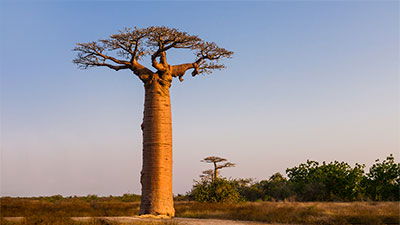
Even in a sin-cursed world awaiting the tree of life in the new heavens and new earth (Revelation 22:14), the baobab tree stands as a towering testament to God’s provision for his creation.
-
Sept. 29, 2024 from Answers Magazine
Down the road and around the world, coffee connects a community of people.
-
July 5, 2024 from Ken Ham Blog
According to new research, plants do possess a form of “intelligence”—but can we go as far as some researchers and say they are “conscious”?
-
April 18, 2024 from Ken Ham Blog
The evolutionary model is not clear about when flowering plants arrived on earth. Evolutionists remain unsure when the angiosperms emerged.
-
July 2, 2023 from Answers Magazine
Flowers aren’t just pretty trinkets we enjoy for a moment. They’re among the most remarkable structures in nature.
-
July 1, 2023 from Answers Magazine
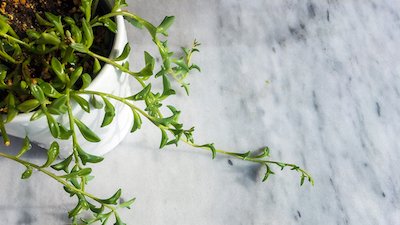
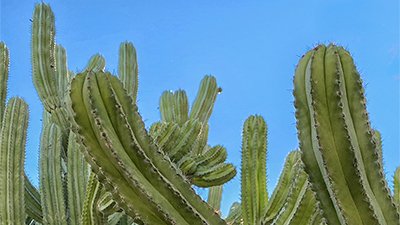
Enjoy caring for your own succulents at home—and let their wild varieties remind you of their Designer’s inexhaustible creativity.
-
May 21, 2023 from Answers Magazine
From floods and volcanoes to insect swarms, ice storms, and clear-cutting, a devastating variety of environmental disasters threaten forests all over the world.
-
Oct. 1, 2022 from Answers Magazine
A host of organisms enjoy a five-star stay in one of the most intricate ecosystems on earth.
-
April 1, 2022 from Answers Magazine
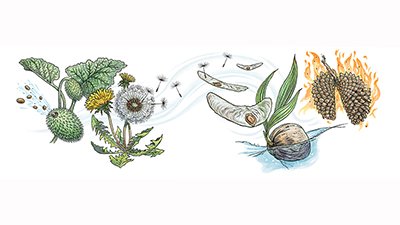
The journey each seed takes from its source to its destination illustrates the Creator’s design.
-
Oct. 1, 2021 from Answers Magazine
In a fallen world where it’s eat or be eaten, even plants need protection.
-
July 1, 2021 from Answers Magazine
If you have ever tried to keep one of these plants, you know they are tricky to grow.
-
Nov. 7, 2020 from The New Answers Book 4
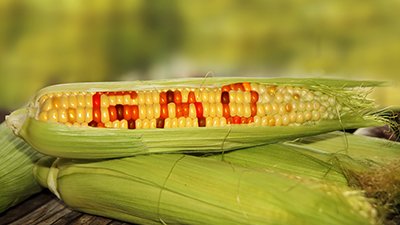
Many accuse GMOs of being unhealthy foods that should not be sold without warning labels. In reality, the real problem is not usually the GMO itself, but the actual food product.
-
July 5, 2020 from Answers Magazine
God placed within small seeds an astonishing ability to move mountains, which even pyramid builders sought to imitate.
-
Feb. 12, 2020 from Answers in Depth
An overview of carnivorous plants, differing mechanisms in plants, and whether carnivorous plants contradict the “very good” original creation in Genesis.
-
Jan. 1, 2020 from Answers Magazine
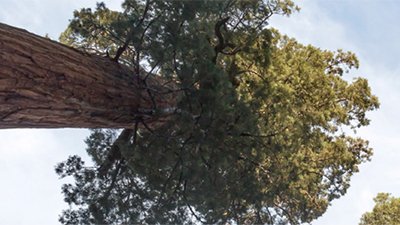
Giant sequoias are some of the oldest and largest living organisms on earth.
-
Nov. 22, 2019 from Answers in Depth
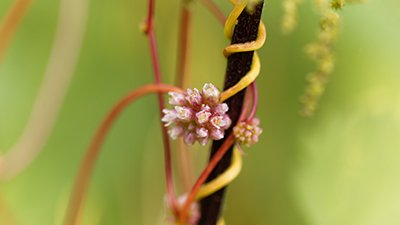
In light of a perfect pre-fall creation, parasitic plants may appear to be a thorny issue for a biblical worldview. But, digging deeper reveals a more biblical understanding.
-
Nov. 5, 2019 from Answers in Depth
Plants communicate in many ways. This article discusses some of the documented “under-the-table” communications.
-
Oct. 8, 2019 from Answers in Depth
Since plants are unable to simply get up and walk, or even shout when in danger, we often think of plants as passive.







Support the creation/gospel message by donating or getting involved!

Answers in Genesis is an apologetics ministry, dedicated to helping Christians defend their faith and proclaim the good news of Jesus Christ.
- Customer Service 800.778.3390
- Available Monday–Friday | 9 AM–5 PM ET
- © 2026 Answers in Genesis