


Human Evolution
There are only three ways to make an ape-man: 1) make an ape more human-like, 2) make a human more ape-like, or 3) fraudulently mix the two together. Homo naledi, a new fossil species discovered in a South African cave chamber, is another example of trying to make an ape more human-like.
Humans and Chimps Alike?
Determining the genetic basis for differences between humans and chimps does not explain the origin of those differences. We share not a common ancestor but a common Designer.
Who Were Cave Men?
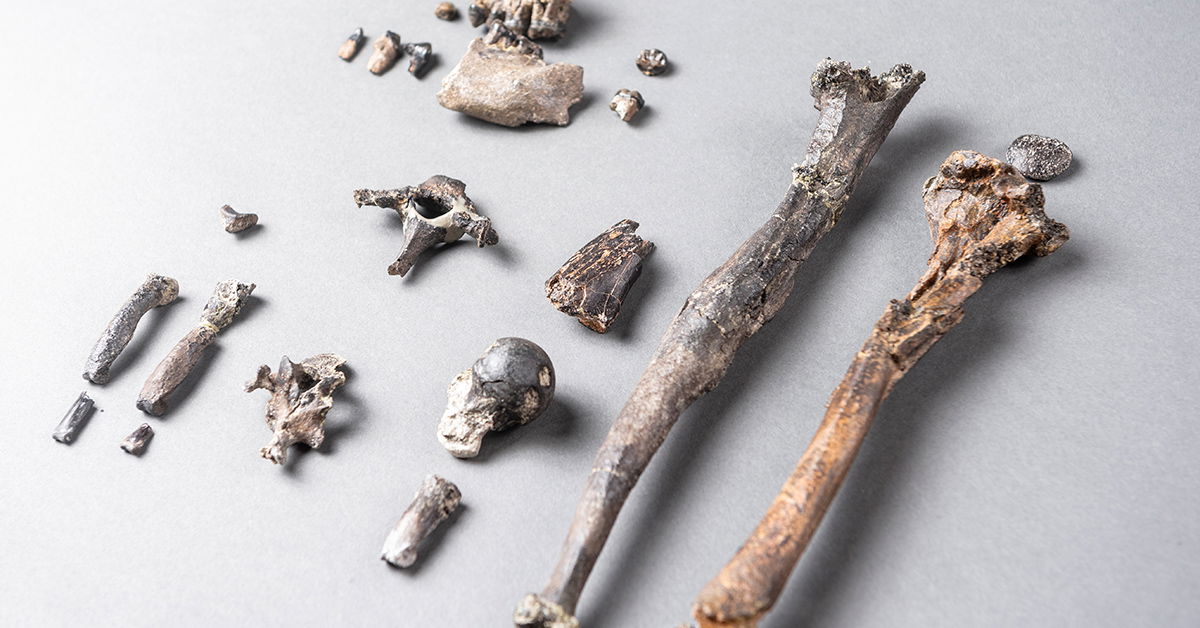
Genetics has clearly established that Neanderthals and Denisovans were fully human. Any physical differences should be viewed as nothing more than variations that can occur within the human race descended from Adam and Eve.
Fossils of Cave Men
Human fossils —and their stone tools—are strikingly similar everywhere they are found in the Lower and Middle Pleistocene layers. These people had large brow ridges, small chins, and receding foreheads.
Evolving Intelligence
Evolutionary anthropologists believe mental abilities had to evolve. Yet they note large gaps in this archaeological record across which it is difficult to discern whether mental evolution was gradual or punctuated by leaps and losses.
Articles About Human Evolution
-
May 2, 2022 from Ken Ham Blog
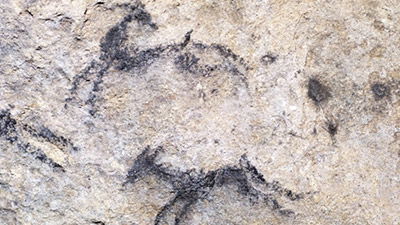
A recent article mentions that fifty stones were found in France with carvings on them, which were manufactured by firelight and likely made by Magdalenian people.
-
Feb. 6, 2022 from Answers Magazine
The discovery of an ancient man entombed in the Alps’ ice was one of the greatest finds of the last century.
-
Oct. 1, 2020 from Ken Ham Blog
Evolutionists advance a creative explanation for why humans developed complex technology later than when they say modern humans (and their brains) evolved.
-
April 23, 2020 from Ken Ham Blog
Neanderthals apparently made string suggesting they were as smart as modern humans—something biblical creationists have been saying all along.
-
April 16, 2020 from Ken Ham Blog
Evolutionists re-imagine the fossils Homo erectus, Paranthropus, and Australopithecus again as new research is compiled by CNN.com.
-
April 6, 2020 from Ken Ham Blog
A ground stone tool allowed “paleolithic” humans to make flour. Such “early” human plant-eating is surprising to evolutionists, but aligns with biblical history.
-
April 2, 2020 from Ken Ham Blog
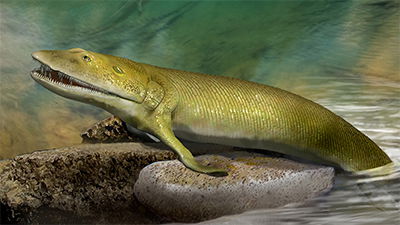
New study suggest human fingers evolved from a 380-milllion year old fish. Secular researchers don’t disclose evolutionary assumptions or dating problems.
-
Jan. 30, 2020 from Ken Ham Blog
A new study confirms ancient Neanderthals collected seashells, created tools from them, and otherwise acted like humans – because they were.
-
Dec. 23, 2019 from Ken Ham Blog
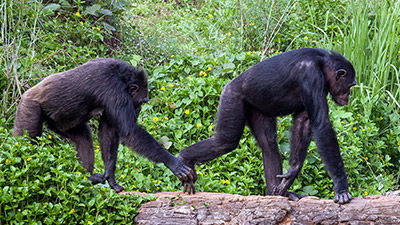
Two chimps swaying and walking in synchronization is thought by these researchers to provide insight into the evolution of dance.
-
Dec. 7, 2019 from The New Answers Book 4
Our modern society believes we are just reaching the height of human intelligence. If we accept this evolutionary view, what do we do with the biblical account?
-
Nov. 18, 2019 from Ken Ham Blog
A recent study shows human saliva is different from that of chimpanzees, gorillas, and macaques—not surprising results from a biblical perspective.
-
Nov. 16, 2019 from The New Answers Book 4
Perhaps, in fact, it’s our discomfort with not knowing what to do with cavemen that makes us laugh. So just who were they?
-
Nov. 11, 2019 from Ken Ham Blog
A recent study trumpeted the discovery of a supposedly 11.6-million-year-old ape from what is now Germany. Did they find a missing link? Well, not so fast.
-
June 10, 2019 from Ken Ham Blog
The website The Conversation hosted an article, in a series designed for children, to answer a reader-submitted question, “Are humans going to evolve again?”
-
April 15, 2019 from Ken Ham Blog
Headlines trumpeted the news last week, “New species of early human found in the Philippines.” How should we as biblical creationists understand this find?
-
Feb. 14, 2019 from Ken Ham Blog
A new study proposes maybe it was a taste for fat that gave early humans bigger brains needed to evolve into modern humans—and that’s why we crave fat today.
-
Dec. 3, 2018 from Ken Ham Blog
It’s long been believed the great Inca civilization never left behind any written records. But what if that’s just because we couldn’t recognize their writing?
-
Nov. 29, 2018 from Ken Ham Blog
Neanderthals have long been considered our evolutionary cousins and are usually portrayed as brutish and uncivilized. But is this characterization true?
-
Aug. 27, 2018 from Ken Ham Blog
The scientific community is buzzing with the news that a bone fragment was recovered from a young girl whose parents belonged to Neanderthals and Denisovans.

















Support the creation/gospel message by donating or getting involved!

Answers in Genesis is an apologetics ministry, dedicated to helping Christians defend their faith and proclaim the good news of Jesus Christ.
- Customer Service 800.778.3390
- Available Monday–Friday | 9 AM–5 PM ET
- © 2026 Answers in Genesis