

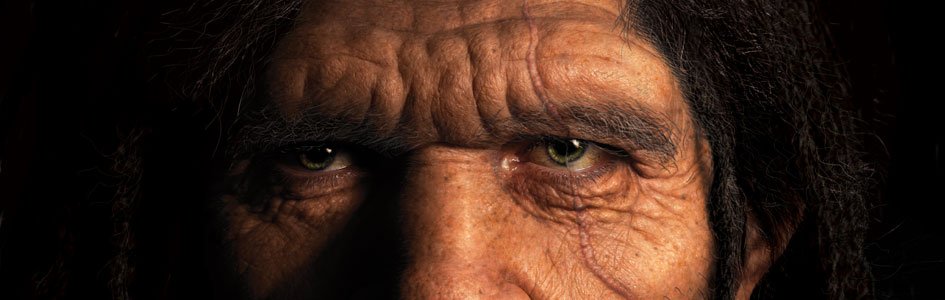
Human Evolution
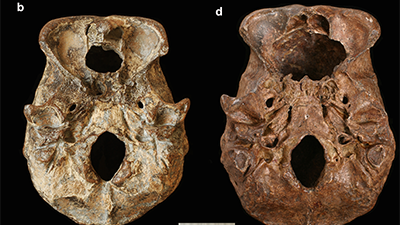
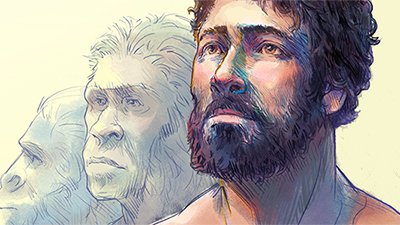
There are only three ways to make an ape-man: 1) make an ape more human-like, 2) make a human more ape-like, or 3) fraudulently mix the two together. Homo naledi, a new fossil species discovered in a South African cave chamber, is another example of trying to make an ape more human-like.
Humans and Chimps Alike?
Determining the genetic basis for differences between humans and chimps does not explain the origin of those differences. We share not a common ancestor but a common Designer.
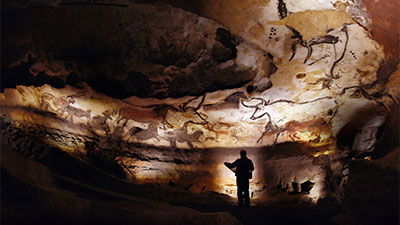
Who Were Cave Men?
Genetics has clearly established that Neanderthals and Denisovans were fully human. Any physical differences should be viewed as nothing more than variations that can occur within the human race descended from Adam and Eve.
Fossils of Cave Men
Human fossils —and their stone tools—are strikingly similar everywhere they are found in the Lower and Middle Pleistocene layers. These people had large brow ridges, small chins, and receding foreheads.
Evolving Intelligence
Evolutionary anthropologists believe mental abilities had to evolve. Yet they note large gaps in this archaeological record across which it is difficult to discern whether mental evolution was gradual or punctuated by leaps and losses.
Human Evolution Topics
-
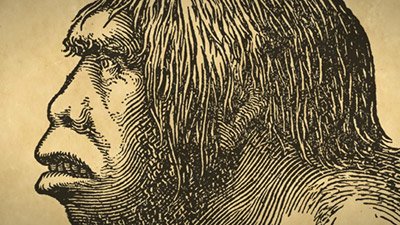
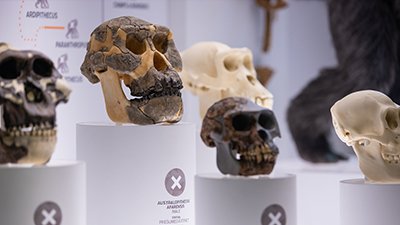
Ape-Man
Can man’s ancestry be traced back to an ape-like ancestor? How much do we really have in common with primates? Have fossil ape-men been found?
-
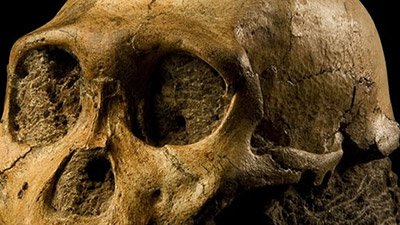
Australopithecus sediba
Australopithecus sediba is not an ancestor of man. The evidence properly interpreted shows that such fossils are either human or ape, not an in-between species.
-
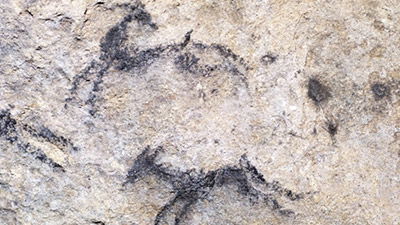
Cavemen
Was early man truly a stone-age, lumbering brute grunting his way toward primitive language? The evidence says the opposite—early man was intelligent!
-
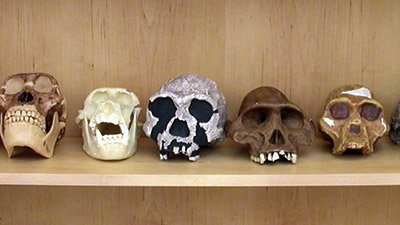
Hominids
The news often eagerly reports the discovery of another link in the supposed chain of hominid evolution. What do these finds really show?
-
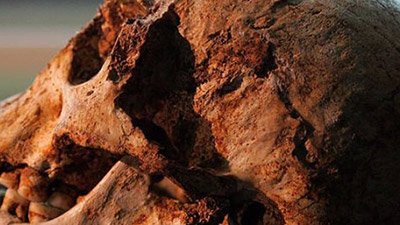
Homo floresiensis
The Homo floresiensis of Indonesia, three-foot-tall people affectionately called hobbits, were fully human descendants of Adam and Eve.
-

Human Origins
Humans have always been interested in our origins: where did we come from, and how did we get here? The Bible soundly answers the question of human origins.
-
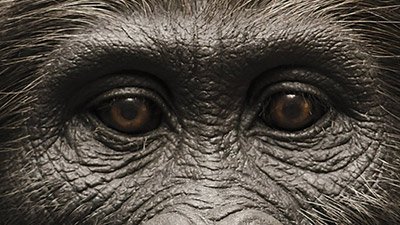
Lucy
Was the australopithecine Lucy—most famous of all the supposed human ancestors—really a precursor to modern man, or was she simply an ape?
-
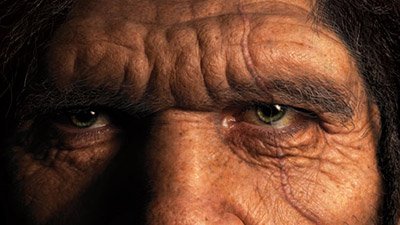
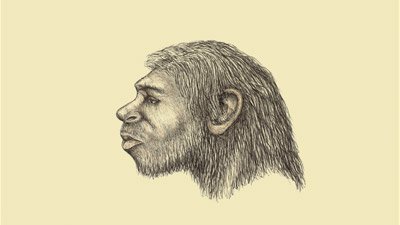
Neanderthal
Neanderthals are often treated as subhuman despite having all the hallmarks of full humanity. Except a few skeletal variances, they were very similar to us.
-

Piltdown Man and Other Frauds
Piltdown man, and other paleoanthropological hoaxes and forgeries, call attention to the academic dishonesty that is sometimes pedaled as evolutionary evidence.
-

What Makes Us Human?
Evolutionists say that man is just an animal, descended from an ape-like ancestor. However, humans show features that clearly separate us from animals.
Articles About Human Evolution
-
Aug. 17, 2026 from Ken Ham Blog
In an effort to discover when our larger brains supposedly evolved, a study looked at ape and human skulls to see if ancient human infants were as helpless as today’s.
-
Sept. 18, 2025 from Ken Ham Blog
A new study claims to have uncovered “some of the key genetic and developmental shifts that radically resculpted the quadrupedal ape pelvis into a bipedal one.”
-
Sept. 1, 2025 from Ken Ham Blog
New Homo and Australopithecus species have been discovered. And this find is forcing evolutionists to, once again, rewrite their ideas about human and ape evolution.
-
June 30, 2025 from Ken Ham Blog
Denisovans were once known only from a few fossils with no idea of their appearance—until now.
-
May 1, 2025 from Ken Ham Blog
A new study on the horse-hunting habits of supposed “ancient man” has revealed that, yet again, our supposed ancient ancestors were intelligent like us today!
-
Jan. 21, 2025 from Ken Ham Blog
This is certainly an eye-catching headline, “Archaic Humans Might Actually Be The Same Species as Us, Study Suggests.”
-
Dec. 12, 2024 from Ken Ham Blog
Do fossil footprints on a lakeshore in Kenya prove that “two ancient human species” coexisted?
-
Oct. 27, 2024 from Answers Magazine
If you just connect all the dots, isn’t it easy to see how the first humans could evolve from a shared ancestor with the apes?
-
Oct. 16, 2024 from Answers in Depth
Can technology save us?
-
Aug. 18, 2024 from Answers Magazine
Evolutionists claim that this similarity between humans and primates is evidence of common ancestry. Closer study verifies differences that point to a common Designer.
-
April 4, 2024 from Ken Ham Blog
A recent news article postulated where humans first went after leaving Africa (supposedly) 60,000 to 70,000 years ago.
-
Jan. 1, 2024 from Answers Magazine
Archaeologists regularly uncover evidence of early man’s brilliance, confirming that cavemen were smart enough to build fires, design intricate structures, and cook complex cuisine.
-
Dec. 4, 2023 from Ken Ham Blog
What is man? How you answer that question immediately exposes your worldview and the foundation on which that worldview rests.
-
Aug. 21, 2023 from Ken Ham Blog
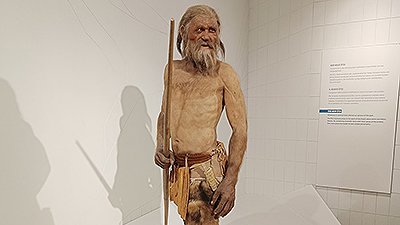
Ötzi the Iceman is believed to be the oldest intact human body ever found.
-
Aug. 14, 2023 from Ken Ham Blog
Does the human family tree “need another branch”? That’s the claim being made by the popular science media.
-
June 15, 2023 from Ken Ham Blog
Homo naledi is back in the news again, this time with scientists claiming these creatures created carvings and started fires in their cave.
-
Feb. 6, 2023 from Ken Ham Blog
A recent article highlighting homology claims every person today has five traces of ancient species in their bodies today.
-
Jan. 11, 2023 from Answers in Depth
Examining biotechnology—from medical therapies to radical modifications
-
Jan. 1, 2023 from Answers Magazine
No matter how hard they try, scientists can’t connect the missing links in human evolution. Why not?
-
Nov. 25, 2022 from Answers in Depth
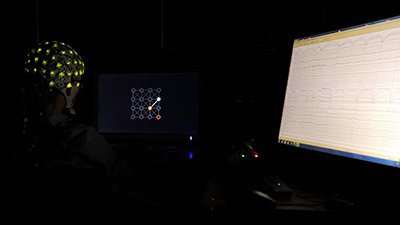
BCIs could help reverse devastating medical conditions but could also change what it means to be human.
-
Aug. 29, 2022 from Ken Ham Blog
Yelp announced it is adding a feature to listings of pregnancy care centers: flags that say this center “may not have licensed medical professionals onsite.”
-
Aug. 25, 2022 from Ken Ham Blog
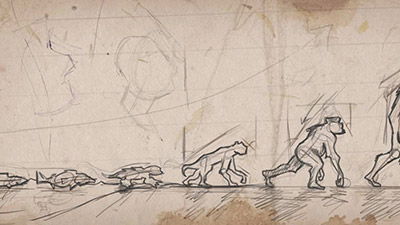
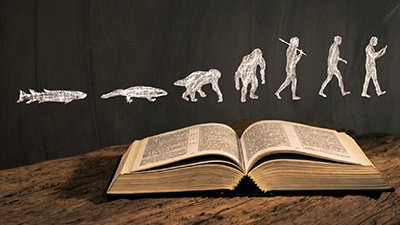
The apes-to-man illustration is used to show the supposed evolutionary transition from ape-like to modern man. But is this “march of progress” accurate?








Support the creation/gospel message by donating or getting involved!

Answers in Genesis is an apologetics ministry, dedicated to helping Christians defend their faith and proclaim the good news of Jesus Christ.
- Customer Service 800.778.3390
- Available Monday–Friday | 9 AM–5 PM ET
- © 2026 Answers in Genesis