


Archaeology
Dead Sea Scrolls
Can ancient light be shed on modern issues of interpretation? The Qumran scrolls contain the most ancient surviving interpretations of the Genesis Flood. Several first-century BC manuscripts talk about the Flood and confirm our current understanding of a global, catastrophic flood in Noah’s day. The Qumran scrolls confirm that we can trust God’s Word.
Archaeology and the Bible
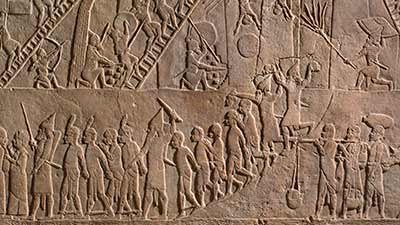
Archaeologists once boasted that the Bible was full of errors because no independent, historic evidence had been found to confirm the Bible’s claims. But a slew of astounding discoveries has put a damper on their boasting. - Archaeology provides us with fascinating and amazing affirmations of Scripture’s accuracy and trustworthiness.
Intelligence of Ancient Man
From an evolutionary perspective, most people today believe that ancient man originally communicated with grunts, and then over time went from making “primitive” items (e.g., stone tools) to working with bronze and iron. However, the evidence confirms humans have been highly intelligent from the beginning and could quickly gain knowledge to create sophisticated technology.
What About the Dates of Ancient Egypt?
The Bible’s history gives far fewer years before Abraham than the ancient histories of other cultures, such as the king lists of the Sumerians and the Egyptians. However, it seems that priests and writers of these other histories purposely stretched their dates and histories, perhaps to show that their own culture was superior to all others.
Articles About Archaeology
-
July 17, 2022 from Answers Magazine
Archaeologists have found two competing sites for the location of the ancient city of Sodom, doomed for its great wickedness. Which site is the correct one?
-
July 1, 2022 from Answers Magazine
Should we depend on religious relics to confirm God’s Word?
-
June 17, 2022 from Answers Magazine
Does denying miracles blind archaeologists to their finds?
-
March 24, 2022 from Ken Ham Blog
The name Jerubbaal (another name Gideon went by) has been found on a piece of 3,100-year-old ceramic pottery in Southern Israel.
-
Feb. 2, 2022 from Answers in Depth
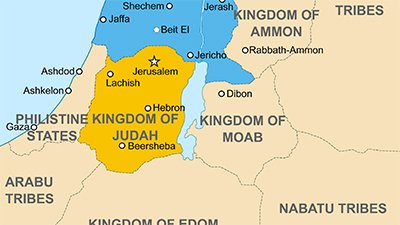
How recent digs in Sha’arayim, Socoh, Ziklag, and Lachish confirm history from the ancient kingdom of Judah and why it matters for biblical reliability
-
Sept. 30, 2021 from Ken Ham Blog
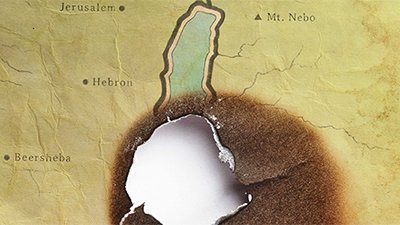
Second millennium BC asteroid impact in the Dead Sea region does not closely align with the ancient cities’ locations in Genesis.
-
Sept. 7, 2021 from Answers in Depth
Misinformed scholarship about Hittite metallurgy contrasted with the technological advancements of ancient man as demonstrated in the early Old Testament
-
May 4, 2021 from Answers in Depth
The reasons for God’s judgment against the “great sinners” of Sodom and how its destruction points to a greater future punishment to come.
-
May 24, 2020 from Answers Magazine
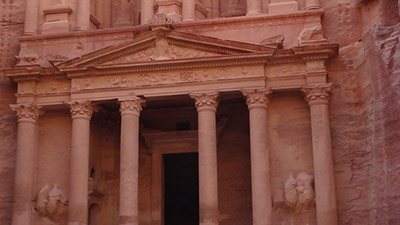
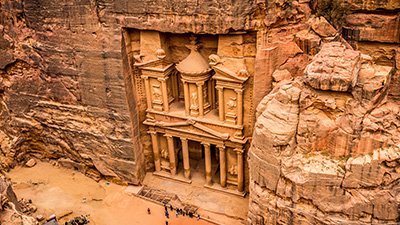
We’re familiar with many of the debates regarding Israel, but what about neighboring ancient Jordan?
-
Nov. 1, 2018 from Answers Magazine
Most secular anthropologists have long repeated this narrative about human history: we first appeared in Africa. But this supposition has taken another hit.
-
Sept. 17, 2018 from Ken Ham Blog
A recent find at two archaeological sites in Croatia (just across the Adriatic Sea from Italy) discovered dairy lipids in several fragments of jars of pottery.
-
May 5, 2018 from Answers in Depth
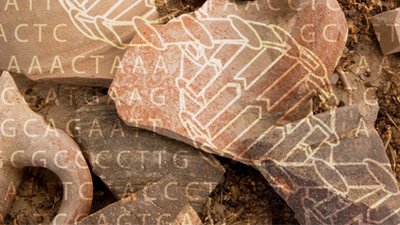
Once thought of as a single culture, the Bell Beaker culture has been shown to be two distinct cultures which had a pottery style that dominated Europe.
-
March 1, 2018 from Ken Ham Blog
Archaeologists digging in the city of Jerusalem have made an exciting discovery—a 2,700-year-old clay seal bearing the name Isaiah.
-
Dec. 31, 2017 from Answers Magazine
Most archaeologists claim that no evidence supports the Bible’s claims about many Old Testament events. There is a problem, but it’s not with the evidence.
-
Sept. 17, 2017 from Answers Magazine
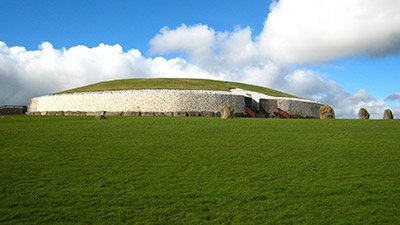
The winter solstice has a special effect at Ireland’s most famous megalith.
-
Jan. 31, 2017 from Answers Magazine
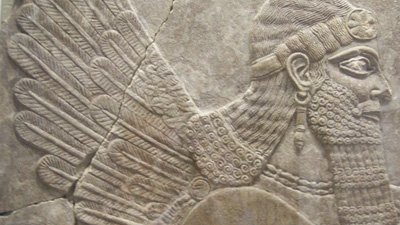
Our knowledge of the ancient Near East has grown since the discovery of troves of documents and artifacts. Do they have any value in interpreting the Bible?
-
June 5, 2016 from Answers Magazine
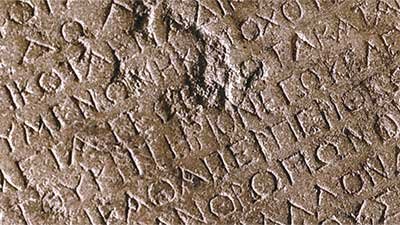
The Nazareth Inscription is a powerful piece of extrabiblical evidence that Christ’s Resurrection was already being proclaimed shortly after He was raised.








Support the creation/gospel message by donating or getting involved!

Answers in Genesis is an apologetics ministry, dedicated to helping Christians defend their faith and proclaim the good news of Jesus Christ.
- Customer Service 800.778.3390
- Available Monday–Friday | 9 AM–5 PM ET
- © 2026 Answers in Genesis