

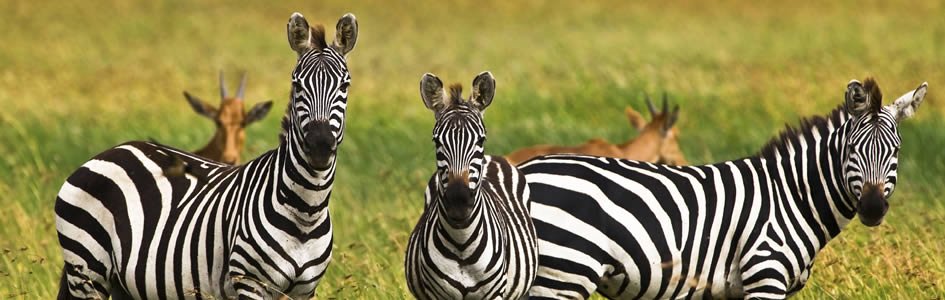
Animals
The Elusive Okapi
Images of the okapi in the wild remained nonexistent—until 2008. The okapi remind us that today’s animals are descended from the original created kinds in Genesis and that their elusive nature reminds us that some creatures may have avoided human contact for years, which would help explain stories of dinosaur-like creatures even in the past millennium.
Angry Birds
The well-known fact that hormones affect behavior is the basis, of course, for such practices as the gelding of animals. A recent study showed that wild junco birds with high levels of mRNA for several hormones, like testosterone, demonstrated more aggressive behavior toward birds of the same sex. The researchers believe their results help explain the evolution of aggressive behavior.
Animal Intelligence?
Many animals are endowed with remarkable and interesting abilities, and evolutionists contend that humans are just smart animals. But the Bible reveals how and why human beings possess not only the ability to express and understand original abstract thoughts through language but also the ability to know—and be accountable to—their Creator.
Hybrid Animals in the Wild
A National Geographic News story discusses how a growing number of “hybrid species” have been observed in the wild. Reading about such interbreeding species is a reminder that the representatives of each kind from Noah’s Ark contained the genetic information to repopulate the earth, leading to the species we see today.
Animals Topics
-
10 Cursed Creatures with Undeniable Design
Don’t be fooled by the supposed tree of life. Animals have not evolved into higher life forms but rather God created animals with amazing genetic diversity.
-
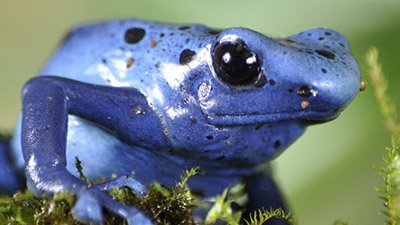
Amphibians
The clever design of amphibians, from tree frogs to spotted salamanders, is a powerful demonstration of God’s creativity.
-
Animal Behavior
Evolution fails to explain the origin of diverse and complex animal behaviors including instinct, intelligence, migration, diet, and communication.
-
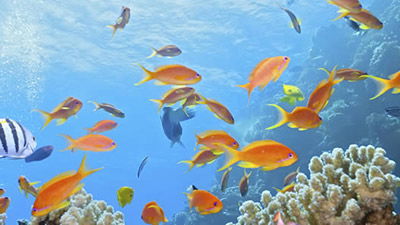
Aquatic Animals
The oceans—filled with incredible creatures like jellyfish, starfish, dolphins, seals, crabs, coral reefs, and octopuses—declare the majesty of their Creator.
-
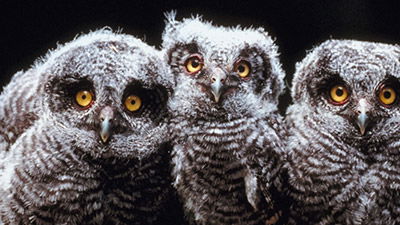
Birds
The design of birds—from the delicate egg to the intricate feather to the efficient wing—all declare the praise of their wise Creator.
-
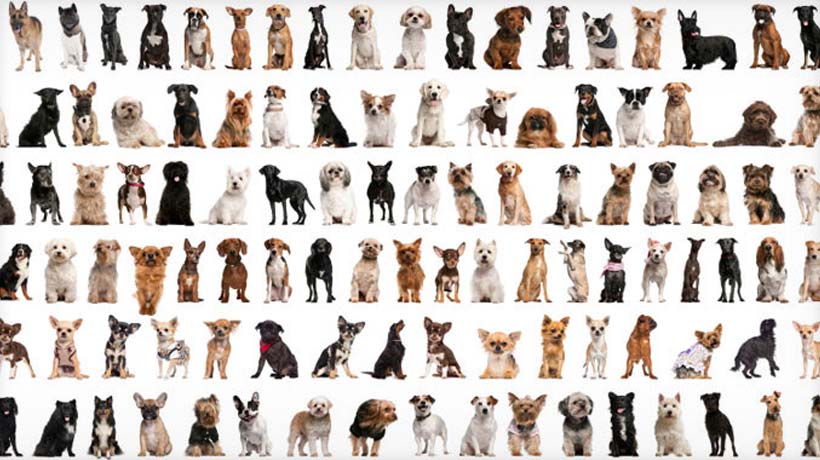
Created Kinds (Baraminology)
God made living things to reproduce according to their kind. The taxonomic science of baraminology seeks to classify modern and fossil organisms within their original kinds.
-
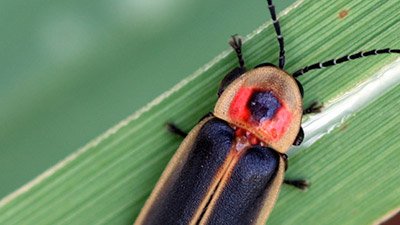
Creepy Crawlies
Even the unusual and gross creatures—spiders, insects, and other creepy crawlies—distinctly proclaim their Maker’s praise.
-
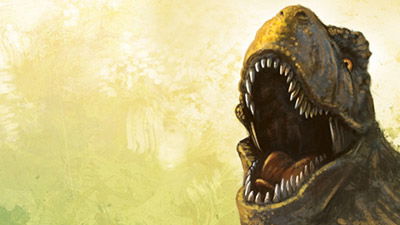
Dinosaurs
God created dinosaurs on day six of creation, approximately 6,000 years ago. These fascinating creatures can now serve as “missionary lizards” for the gospel.
-
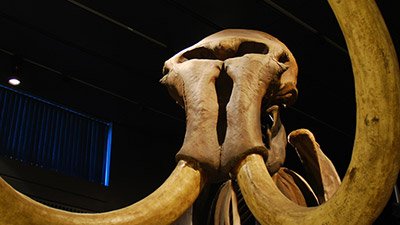
Extinct Animals
The rocks preserve the memory of many unusual and often gigantic now-extinct animals that inhabited the world before and after the Flood of Noah’s day.
-
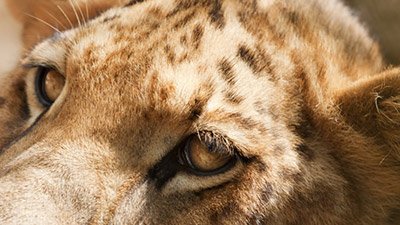
Hybrid Animals
Genesis infers that all creatures reproduce after their kinds. Hybrid animals like ligers, wholphins, and zonkeys help to define the boundaries of kinds.
-
Mammals
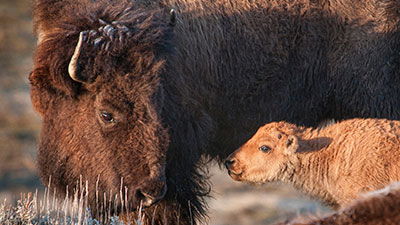
Great diversity exists within the mammal group. From koalas to deer to bats to primates to whales to cheetahs, mammals declare the glory of their Creator.
-
Reptiles
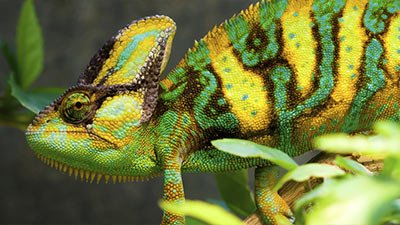
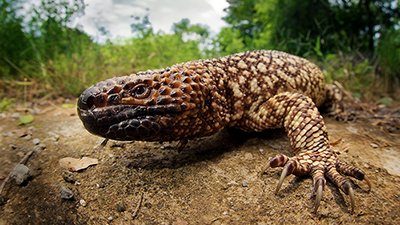
Snakes, lizards, alligators, and other reptiles may or may not be your favorite animals, but certainly their brilliant design draws attention to their Designer.
Articles About Animals
-
Aug. 29, 2026 from Answers Magazine
Astonishing examples of high intelligence in “lower” animals point to an all-knowing Creator.
-
May 6, 2026 from Answers Magazine
There are giants among us—giant animals, that is. God has given these incredible creatures the special features they need to live large.
-
April 12, 2026 from Answers Magazine
Your irresistible urge to snatch up that cute little puppy and hug it for all you’re worth isn’t just a feeling. It’s science.
-
Dec. 7, 2025 from Answers Magazine
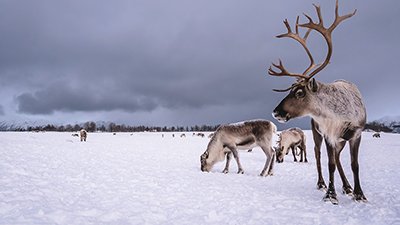
Reindeer, with their brilliant design for navigating life in a frigid home, will go down in history.
-
July 5, 2025 from Answers Magazine
In their effort to explain how life began, evolutionists often must bend fundamental scientific principles.
-
April 1, 2025 from Answers Magazine
Older animals in herds, pods, packs, hives, and other animal groups help their species survive by passing on skills and knowledge.
-
April 1, 2025 from Answers Magazine
Many creatures seem to walk on water almost miraculously. But their ability to skip across the surf or tread over waves is no miracle.
-
Feb. 16, 2025 from Answers Magazine
The existence of venom in so many animals has long challenged creationists. How did it show up in a very good creation?
-
Dec. 22, 2024 from Answers Magazine
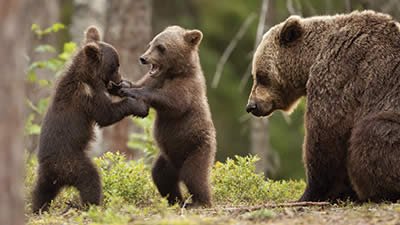
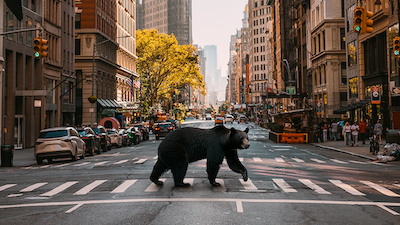
Animals and other wildlife are moving into urban areas. How are they adapting to life in the big city?
-
Oct. 1, 2024 from Answers Magazine
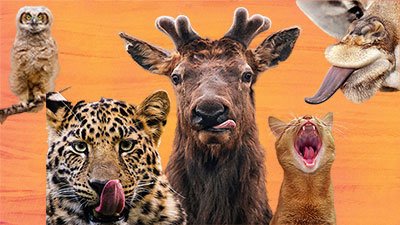
While God’s creatures might not necessarily wear their hearts on their sleeves—or foreheads—he did design each of them with unique ways of communicating with one another.
-
Oct. 1, 2024 from Answers Magazine
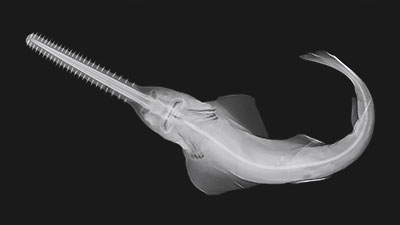
Smalltooth sawfish are born displaying cutting-edge design.
-
Oct. 1, 2024 from Answers Magazine
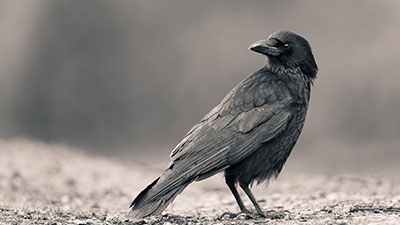
Scientists suggest the ability of crows to count may “constitute an evolutionary precursor of true counting.” But these brainy birds are not a result of evolution.
-
Oct. 1, 2024 from Answers Magazine
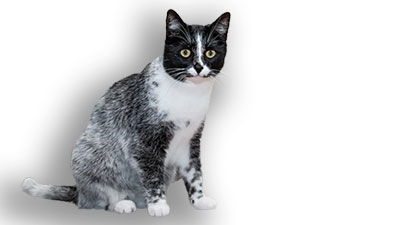
Even cat colors confirm the Bible, which tells us that God created each animal according to its own kind.
-
July 1, 2024 from Answers Magazine
Darwin’s tour around the world shows that we often see what we’re looking for.
-
May 5, 2024 from Answers Magazine
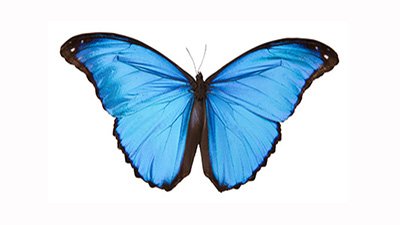
While some flowers and foods are blue, such as bluebonnets and blueberries, blue is rare among animals. Most animals are unable to make blue pigments.
-
April 28, 2024 from Answers Magazine
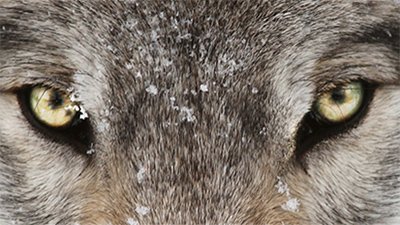
The strength of a wolf pack isn’t its numbers or the fear it inspires.
-
Jan. 14, 2024 from Answers Magazine
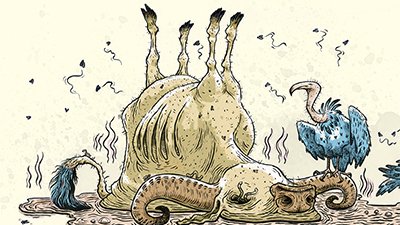
Cleaning up dead animals really stinks—and that’s a good thing, which shows God’s wise provision even in a fallen world.
-
Jan. 1, 2024 from Answers Magazine
This magnificent muscle speaks of God’s creative genius—and refutes blind evolutionary chance.
-
Dec. 13, 2023 from Answers Magazine
As we listen in on animal communication, it seems clear that animals have their own form of language. How does this knowledge affect our responsibility to steward God’s creatures?




Support the creation/gospel message by donating or getting involved!

Answers in Genesis is an apologetics ministry, dedicated to helping Christians defend their faith and proclaim the good news of Jesus Christ.
- Customer Service 800.778.3390
- Available Monday–Friday | 9 AM–5 PM ET
- © 2026 Answers in Genesis