

DNA Similarities
Similarity in DNA Sequences
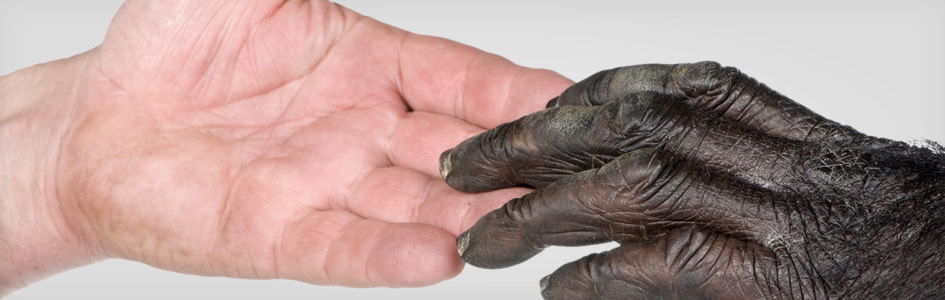
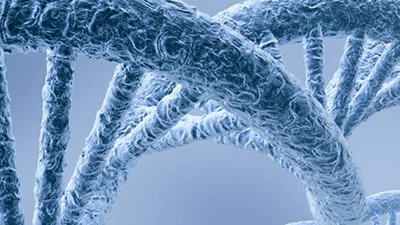
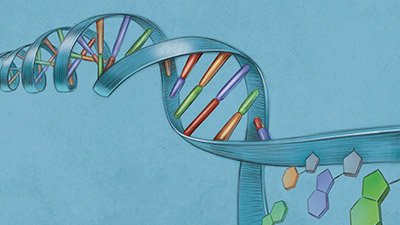
Evolutionists frequently assert that the similarity in DNA sequences provides evidence that all organisms (especially humans and chimps) are descended from a common ancestor. However, DNA similarity could just as easily be explained as the result of a common Creator.
Assumptions in Similarities in DNA
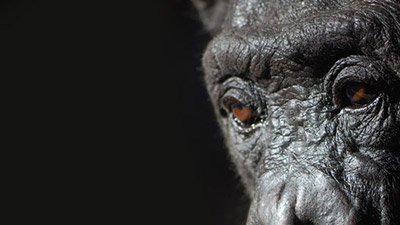
When DNA sequences are compared more objectively without pre-selecting sequences and filtering the data, the chimp and human genomes are only about 70% similar. Evolutionists assume chimps and humans share an evolutionary ancestry and interpret all data according to that assumption.
Adam and Eve and the Human Genome
Based on the biblical blueprint that we are all descendants of one man and one woman—Adam and Eve—it would seem reasonable to conclude that the genetic information in all humans today ultimately came from Adam and Eve. The problem is that, due to the Fall, our bodies don’t always do a perfect job replicating our genetic information.
Articles About DNA Similarities
-
Oct. 3, 2025 from Answers in Depth
What do genome comparisons actually mean—and what does E. coli indicate?
-
May 27, 2025 from Ken Ham Blog
A “shocking” new study has confirmed exactly what we’d expect starting with the Bible—chimpanzee DNA is not 98–99% identical to human DNA.
-
Aug. 17, 2017 from A Response to Adam and the Genome
Venema took Tomkins’ claims to task on the BioLogos website regarding the supposed remnants of an egg-laying gene (vitellogenin) in human DNA.
-
Aug. 10, 2017 from A Response to Adam and the Genome
BioLogos has engaged in systematic scientific error on one of their “evidences” for evolution, and they have misrepresented the arguments for several years.
-
April 23, 2017 from Answers Magazine
When you hear stories about the astonishing similarity between human and chimp DNA, there’s something they’re not telling you . . .
-
Jan. 7, 2016 from Answers in Depth
Some think acorn worms, virtually unchanged since the Cambrian explosion, represent an evolutionary link between invertebrates and humans.
-
In-Depth ArticleDifferences Between Chimp and Human DNA RecalculatedSept. 17, 2015 from Answers in Depth
Some assert that humans and chimpanzees are only 1 to 2% different, but careful re-tallying suggests there is a gigantic genetic gap between the two species.
-
In-Depth ArticleMouse Memory Enhanced By Humanized “Language Gene”Sept. 25, 2014 from Answers in Depth
With mice and men, practice makes perfect, but a mouse with a man’s FOXp2 gene achieves perfection faster.
-
In-Depth ArticleChromosome Tales and the Importance of a Biblical WorldviewJune 18, 2014 from Answers in Depth
When evidence is interpreted in a particular worldview, it can sound very convincing that the evidence supports that worldview.
-
Book ChapterWhat About the Similarity Between Human and Chimp DNA?Jan. 14, 2014 from The New Answers Book 3
DNA similarity could easily be explained as a result of a common Creator.
-
Denisovan Human Genome SequencedJan. 5, 2013 from News to Know
Revolutionary DNA sequencing technique said to be “a powerful new tool to fish for genes that have recently evolved.”
-
Turtles Still Baffle EvolutionistsJuly 23, 2011
Turtles in search of their long lost ancestor discover genes trump holes in the head.
-
DNA We're Missing Makes Us HumanMarch 12, 2011 from News to Know
No one, not even evolutionists, disputes that humans have crossed a threshold that sets us apart from the rest of the animal kingdom—even chimpanzees, our “close evolutionary relatives.” But according to new research, it’s actually the genes we don’t have that sets us apart.
-
Odd Non-Man OutJan. 29, 2011 from News to Know
When considered alongside humans and chimps, the orangutan is the genomic “odd man out.” Is that because it hasn’t evolved as quickly?
-
Genetic Connections with ChimpanzeesDec. 4, 2010
Evolutionists often emphasize our genetic similarity to chimpanzees, but our genetic connections don’t end there.
-
-
Trace Your Family History through DNA TestingOct. 10, 2010
According to American Demographics, 113 million Americans have begun to trace their roots.
-
July 1, 2010 from Answers Magazine
We’ve all heard that humans and chimps share up to 98% of their DNA. But new studies are accentuating the differences between humans and chimps.
-
Magazine Department ArticleTime Keeps on SlippingSept. 29, 2008 from Answers Magazine
Twice in the past five years, our alleged ancestry with apes has made the cover of Time magazine.
-
Feedback ArticleA Simple AnswerSept. 19, 2008 from Feedback
Can a simple “yes or no” answer be adequate for a question about Adam and Eve’s genetic code and today’s human traits?
-
Magazine Department ArticleIf Human and Chimp DNA Are So Similar, Why Are There So Many Physical and Mental Differences Between Them?Jan. 21, 2008 from Answers Magazine
It seems that if a protein performs a certain function in one organism, then that same protein should perform the same function in a variety of organisms.
-
In-Depth ArticleA Tale of Two ChromosomesNov. 14, 2007 from Answers in Depth
There are many anatomical similarities between humans and apes. Our chromosomes are similar as well. But do human chromosomes hint of chimp ancestry?
PDF Download -
More Different Than We ThoughtOct. 27, 2007 from News to Know
Scientists publishing in the journal Genetics last week have showed that “[m]any more genes separate humans from chimpanzees than scientists believed.”
-
Magazine Department ArticleThe Parade of ChimpsOct. 1, 2007 from Answers Magazine
The chimp and human genome have more differences than previously thought.
Support the creation/gospel message by donating or getting involved!

Answers in Genesis is an apologetics ministry, dedicated to helping Christians defend their faith and proclaim the good news of Jesus Christ.
- Customer Service 800.778.3390
- Available Monday–Friday | 9 AM–5 PM ET
- © 2026 Answers in Genesis