

Plants
Did Plants Die Before the Fall?
We commonly use the word die to describe when plants, animals, or humans no longer function biologically. However, this is not the definition of the word die or death in the Old Testament. The Hebrew word for die is used only in relation to the death of man or animals with the breath of life, not regarding plants.
Carnivorous Plants
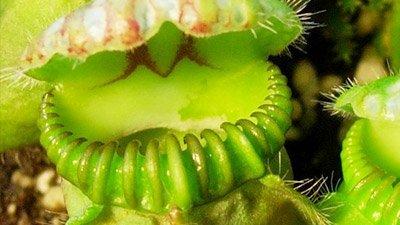
More than 600 species of plants are known to be carnivorous. Today’s carnivorous plants show just how topsy-turvy the world has become. After Adam’s rebellion, God cursed the earth so that it would bring forth “thorns and thistles”. Plants once meant for good can now cause harm.
Evolution of Flowers
Darwin considered the floral biodiversity in the fossil record to be an “abominable mystery” as he could not understand how such variety could appear all at once through evolutionary processes. Evolutionists since Darwin’s time have puzzled over how so many sorts of flowers could evolve so quickly.
Photosynthesis—A Manufacturing Process Like None Other
The ability of plants to produce food from the sun (photosynthesis) is one of the most important and complex biological processes known to scientists. By God’s design, we have more than just spinach to eat. No, The Creator filled the earth with an unimaginable variety and abundance of foods.
Articles About Plants
-
Oct. 11, 2015 from Answers Magazine
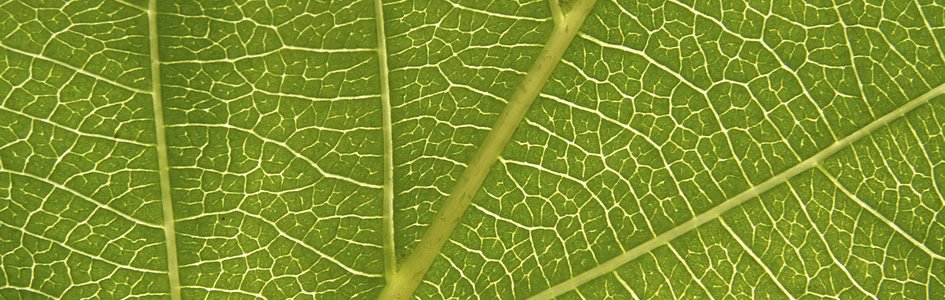
The rich and vibrant greens of the forest canopy delight our eyes. But did you know that these leaves are hiding something they won’t reveal until fall?
-
Magazine Department ArticleRock GardenJuly 1, 2015 from Answers Magazine
Imagine a plant trying to hide from being eaten in the brown desert.
-
June 14, 2015 from Answers Magazine
This marvel of miniature design is set by tiny plants, called bladderworts, which seek to supplement their diet.
-
Oct. 26, 2014 from Answers Magazine
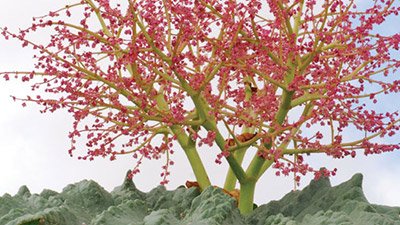
Jewish scientists have discovered an amazing species of rhubarb that “irrigates itself” through the advanced irrigation system on its broad leaves.
-
Oct. 1, 2014 from Answers Magazine
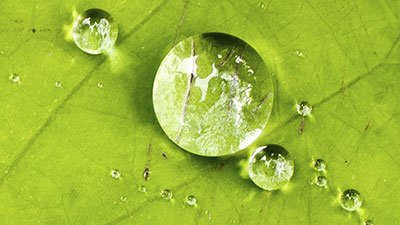
God constructed the lotus with the most advanced nanotechnology imaginable.
-
April 1, 2014 from Answers Magazine
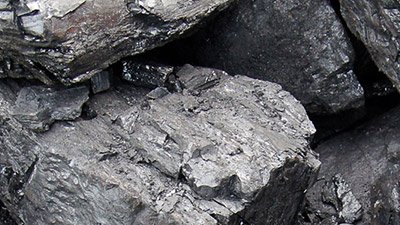
Were enough plants alive at the time of the Flood to produce huge reserves of coal so quickly?
-
March 9, 2014 from Answers Magazine
Imagine a plant that’s sensitive to its surroundings and responds accordingly. Sound like science fiction? It’s not!
-
In-Depth ArticleMystery Plant of the DesertOct. 23, 2013 from Answers in Depth
There is no other plant like it because it is so strange that some scientists have classified it as the only member of its species, genus, family, and order.
-
Forests in Antarctica After the Flood?April 28, 2013
After the flood, there is evidence that forests sprang up in Antarctica.
-
Magazine Department ArticlePlant RightsApril 1, 2013 from Answers Magazine
In 2008, Ecuador guaranteed constitutional rights to plants, and an attorney in the United States is now planning to file lawsuits to secure plants rights.
-
Plant SensitivityNov. 10, 2012 from News to Know
“What’s good for the goose is good for the gooseberry.”
-
Aug. 26, 2012 from Answers Magazine
Today's carnivorous plants show how topsy-turvy the world has become after Adam;s rebellion.
-
Book ChapterPlanting ConfusionApril 10, 2012 from Demolishing Supposed Bible Contradictions: Volume 2
Critics have charged that the first two chapters of the Bible contain a contradiction regarding the creation of the vegetation. Tim Chaffey, AiG–U.S., explains.
-
-
Da Vinci Formula Explains Tree GrowthNov. 19, 2011 from News to Know
Tree trunk math . . . more complicated than meets the eye.
-
Scientists Map Plant Protein InteractionsAug. 6, 2011
A cellular roadmap for the mustard plant reveals some secrets.
-
Super-PlantsMay 21, 2011 from News to Know
Plants capture a little of the sun’s abundant energy and make it available for us. What if we could help them to do it better?
-
In-Depth ArticleThorns and ThistlesApril 27, 2011 from Answers in Depth
Scripture contains many references to plants and agriculture as examples of spiritual realities.
-
-
Carnivorous ConundrumJan. 29, 2011 from News to Know
Carnivorous plants may seem, at first, to be a puzzling challenge to creationists’ claim that there was no need for death in nature as God designed it.
-
Jan. 23, 2011 from Answers Magazine
Consider what the fossils really tell us, when we start with the Bible as factual history.
PDF Download -
In-Depth ArticlePeat Moss—Man’s Wisdom or God’s Wisdom?Oct. 13, 2010 from Answers in Depth
When we examine the world in the light of God’s Word, what we see makes sense—including the amazing design of Sphagnum peat moss.
-
July 7, 2010 from Answers Magazine
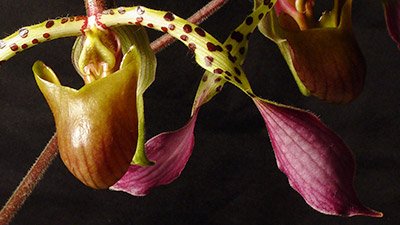
The existence of thousands of orchid species staggers the imagination. Yet each species seems perfectly adapted for the insects that pollinate the flower.
-
Pitcher Plants SymbiosisMarch 13, 2010 from News to Know
Creationists often respond to challenges that animals couldn't have been vegetarian before the Fall. Rarely does this turn to carnivorous plants, but a new study may provide support for creationists.





Support the creation/gospel message by donating or getting involved!

Answers in Genesis is an apologetics ministry, dedicated to helping Christians defend their faith and proclaim the good news of Jesus Christ.
- Customer Service 800.778.3390
- Available Monday–Friday | 9 AM–5 PM ET
- © 2026 Answers in Genesis