

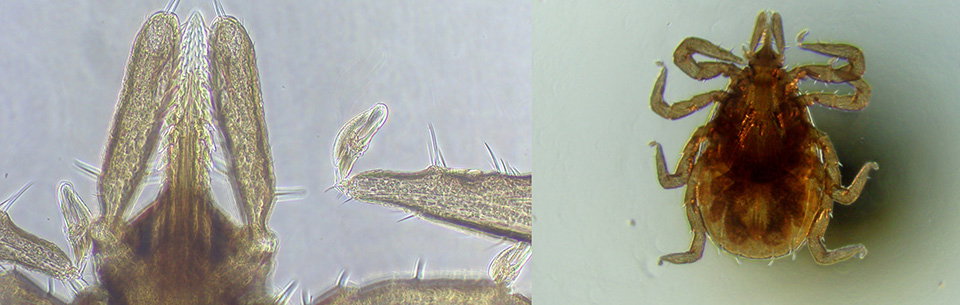
Phase-Contrast Tick Image Credit: Alan L. Gillen
Bull’s-Eye on Borrelia: A Commensal and Consequential Pathogen
Ticks and Their Role in Lyme Disease and Alpha-gal
by
Dr. Alan L. Gillen, Adam Russell,
and
Zipporah Nedlock
on
July 17, 2026
Featured in
2026 Volume 21
Abstract
If Lyme disease causes such urgent and chronic disease issues, where do Borrelia bacteria and ticks fit into a very good creation (Genesis 1)? How did bacteria and ticks change to rely on different hosts and blood for survival? And how are these adaptations informing today’s research in bacteriology, immunology, entomology, and disease ecology?
The purposeful placement of Borrelia (Fig. 1) is most likely in the gut of wild mice (Fig. 2), not domesticated mice nor man. The bacteria are communalistic in wild mice, where they may be probiotic for mutual good (Fig. 2)—the Creator made it for good at its rightful pace. But when Borrelia is displaced and outside of wild mice (also called zoonotic spillover), it can cause disease in other animals, from lab mice to dogs to mankind. In a fallen world, it can enter a complex and intricate life cycle (Fig. 3): ticks, mice, deer, dogs, and man. When displaced in men or lab mice, Borrelia can cause significant diseases and become consequential pathogens. Borrelia in the bone causes arthritis, rash, heart problems, and even death. It can also be a persistent pathogen causing chronic disease.
Human, animal, and environmental health are intricately interwoven, inextricably interrelated, and providentially designed. All life on earth is connected by the Creator’s plan. Secular scientists, including those at the CDC, recognize the connection within the biosphere and call it “One Health,” though they do not acknowledge the Creator and a biblical view of the age of the earth and the created rather than evolved design. But we can agree that all three interacting components are connected and that good stewardship recognizes the connectivity of all. The reasoning is that microorganisms (and parasites) circulate among human hosts, animal hosts, and environmental reservoirs. Changes in the environment can lead to the new transmission of pathogens to animals and humans. It might be helpful to visualize three overlapping spheres. A change in any of one of the spheres influences the others as it happens continuously. The mixing of microbes in different animal hosts (displacement) and under different environmental conditions can lead to the adaptation of potentially new pathogens and parasites.
Today, the One Health and original design appear to be “broken.” Ticks may have once been scavengers, but they now can be deadly parasites and vectors of disease. They are increasingly common, and tick-borne diseases are emerging and popping up everywhere this summer. HHS and CDC report that more that there are an estimated 476,000 cases of Lyme disease each year, and the federal government is stepping up action in preventing it (HHS Press, May 29, 2026).
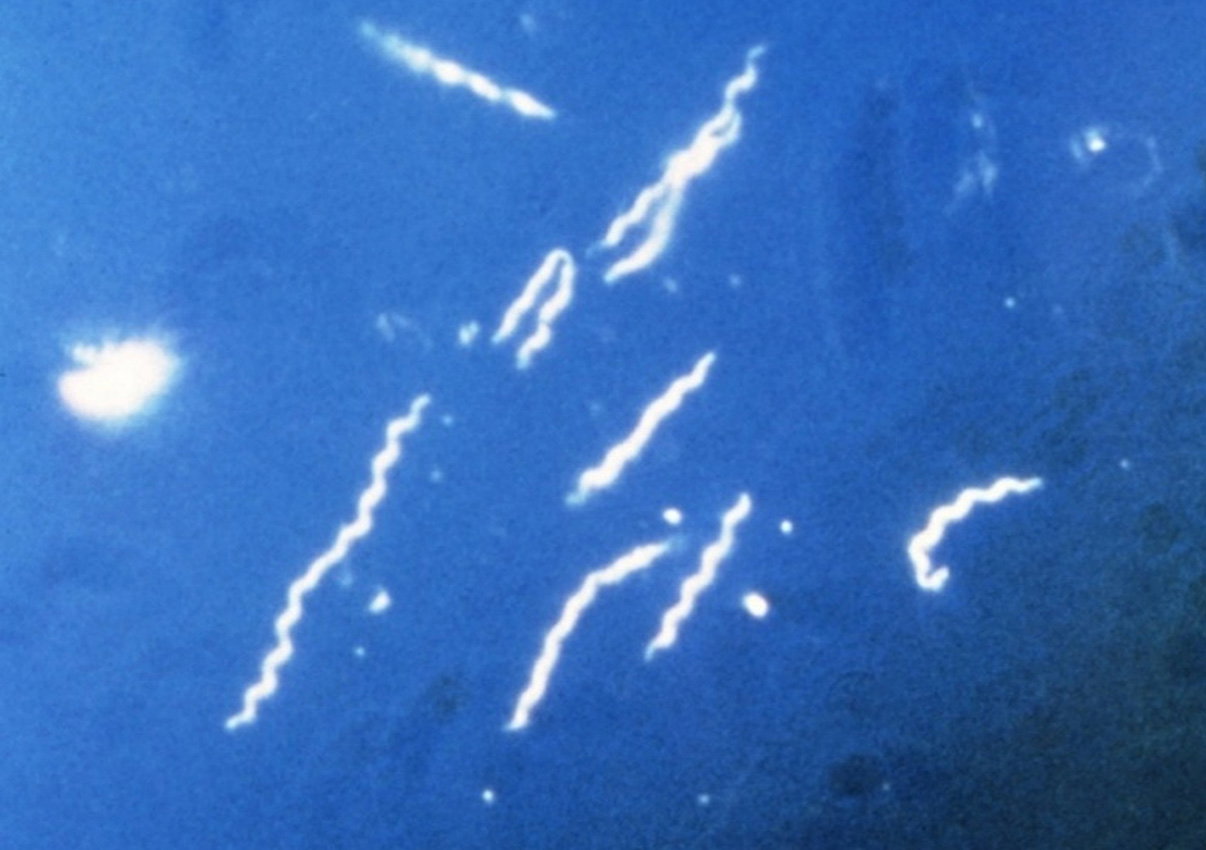
Figure 1. Borrelia burgdorferi Under Dark-Field Microscope (400x Magnification). The microbe that causes Lyme disease is a thin, corkscrew-shaped spirochete, Borrelia burgdorferi. Nymph ticks pick up the bacteria while feeding on infected white-footed mice and later transmit it to humans. Due to the thin diameter of the organism, unstained samples best be visualized using dark-field or phase-contrast techniques (CDC Image 6631).
Lyme Disease in the News
According to the CDC (2026), cases of Lyme disease are on the rise; emergency rooms across the world are encountering more infected patients, with the nation suffering the most emergency visits for tick-borne infections since 2017. Furthermore, this data does not even consider visits to urgent care facilities or people who choose not to pursue treatment, especially in emergency rooms. Cases of Lyme span all throughout the US, spiking throughout the Northeast, Midwest, and even the deep South and West Coast. Overall, the percentage of tick bites across the nation is up more than 25% in April 2026 when compared to the previous year (Baumgarth and Hart 2026).
Recent data shows a significant spike in local prevalence. For example, in my (senior author) home (birth) state, Pennsylvania has the highest incidence of Lyme disease, as does much of the Northeast. The number of cases is rising locally in central Virginia and so is awareness of Lyme disease and Alpha-gal syndrome (Milhorne et al. 2026).
About Alpha-gal Syndrome
Alpha-gal syndrome (AGS) is a serious, potentially life-threatening allergic condition that can occur after a tick bite. Alpha-gal is a molecule found in most mammals, and AGS has become an extremely common allergy in my (Gillen’s) area. In fact, there are many restaurants with alpha-gal menus (like gluten-free menus). Ticks commonly bite landscapers. My personal landscaper has had alpha-gal symptoms seven times since he started working with trees, grass, shrubs, and flowers near woods. He told me that local landscapers consider it to be occupational risk, and most of his peers have had it at least once.
AGS is usually diagnosed with a blood test for antibodies to alpha-gal. Its cure is to modify the diet for a few years and get shots. Some symptoms occur after people eat red meat or are exposed to other products made from mammals. Because of this, AGS is mostly known as the “tick bite red meat allergy.” Bedford County, Virginia, borders my house and is known for the second-most-frequent number of cases in the US. There are many lone star ticks and black-legged ticks in our county. In fact, several hundred have been collected in one acre of woods behind my house in a single afternoon! Its scientific name is Amblyomma americanum, locally known as the lone star tick due to its large spot on the female adult; it is sometimes known as seed tick (smaller ones) or the turkey tick.
Habitat disruption and ticks being displaced from their “wild”/sylvatic cycle to an urban/domestic habit that overlaps with humans play a role in AGS. Alpha-gal is also more associated with the lone star tick, a more aggressive tick that is more likely to bite humans than the black-legged tick (Ixodes scapularis). Alpha-gal is found in all mammalian meats, including beef, pork, lamb, venison, goat, bison, rabbit, and organ meats. A few cases were not related to meat, but the overwhelming number have been. Regarding the origins of the disease, there are still many unknowns, and more research is needed to understand it. But in a pre-Fall world, Alpha-gal didn’t occur—and even before the Flood, it is highly unlikely—because people’s diets were primarily vegetarian (plants, fungi, microbes in organic material), and ticks likely were scavengers on organic matter. Alpha-gal syndrome is largely due to a disruption of the immune system, and this too has changed dramatically over the years (Gillen 2020). It was not discovered until the twenty-first century and may be a very recent event in human history.
Lyme disease is actively spreading to Southern border states like Kentucky, which now ranks among the highest states for risk of tick-borne illness.
According to research from the Kentucky Department for Public Health (KDPH), reported tick-borne diseases increased by 128% between 2020 and ’23. Most notably, cases of Lyme disease skyrocketed by approximately 275% during that same three-year period. . . .
The UK Department of Entomology and the KDPH have been closely monitoring this expansion through a multi-year surveillance program. (Honce 2026)
Ixodes scapularis, the black-legged tick (the vector for Lyme disease), is now established throughout the commonwealth. Public health experts, like the UK’s Dr. Brian Stevenson (2026), attribute this rise of tick-borne illness to the spread of ticks migrating from the Northeast, mostly by deer, into Kentucky, where they find “an ideal environment in the state’s vegetation and high humidity” (Honce 2026).
Lyme disease is commonly diagnosed by a “bull’s-eye rash” in 75% of the cases. Formally, it is called erythema migrans (Fig. 4). The rash enlarges as it spreads outward from the center, as the bacteria slowly spread away from the original tick bite, creating the familiar outward moving ring.
Benefits of Borrelia in White-Footed Mice
Most likely, wild wood mice possess a commensalistic relationship with Borrelia bacteria with some mutual benefit.
Common in Virginia are the white-footed mice (Peromyscus leucopus, [Fig. 2]). They are like the “wood mouse” in Europe that can carry Borrelia outside the US. White-footed mice are common creatures throughout the Eastern and Midwest US and act as the primary reservoir for Borrelia burgdorferi, the pathogen responsible for Lyme disease. While the bacteria can cause disease in other mammals, white-footed mice show a unique “tolerance” to long-term borrelial infection—they remain clinically healthy despite harboring the “consequential pathogen” for humans (Rogovskyy et al. 2024). Most likely, wild wood mice possess a commensalistic relationship with Borrelia bacteria with some mutual benefit. The zoonotic spillover, or displacement of its original purposeful niche, is the cause of disease in the fallen world.
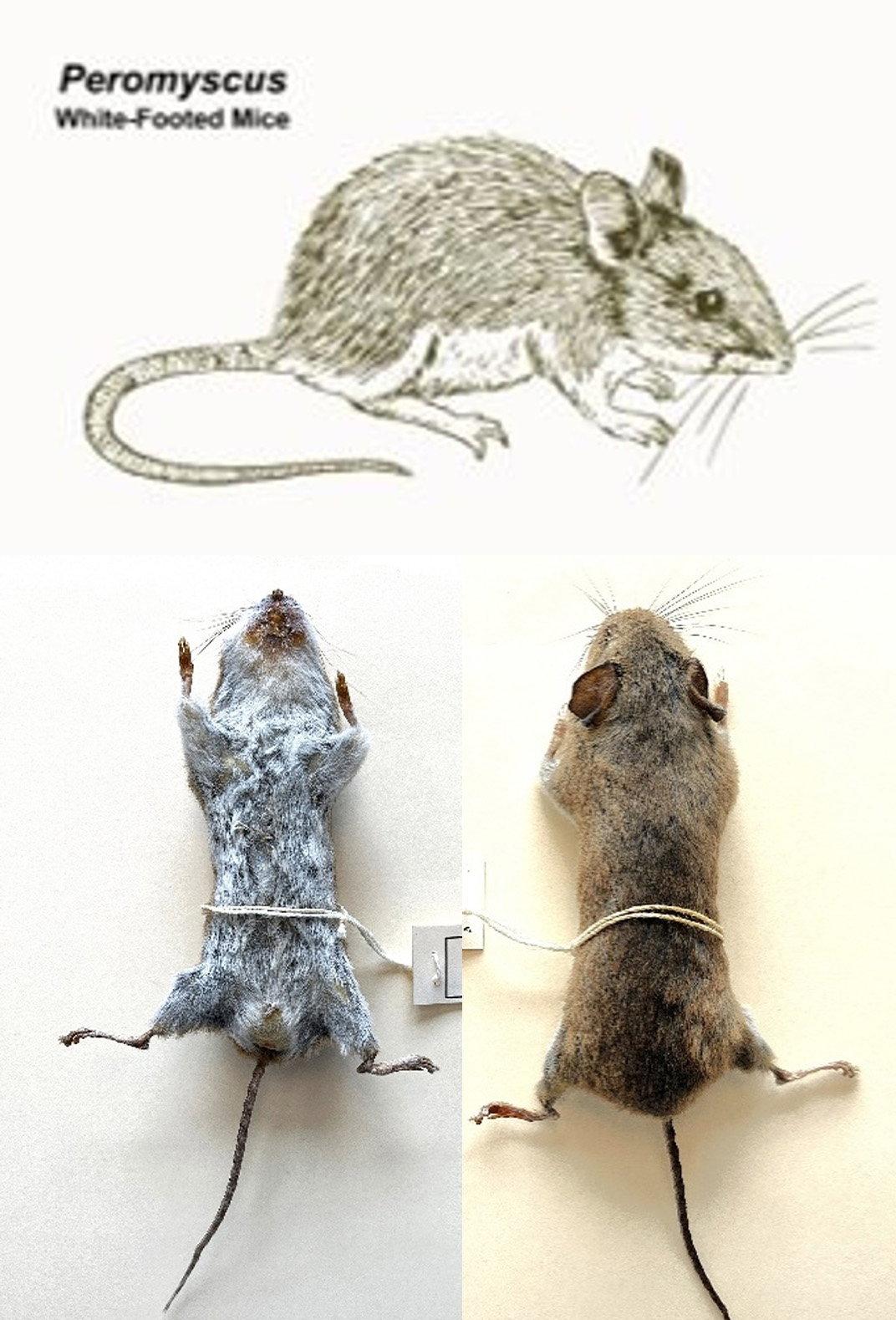
Figure 2. Wild Reservoir Host, the White-Footed Mouse (Peromyscus leucopus). (A) CDC drawing of the natural reservoir host. (B) Anterior and (C) posterior views of local museum study specimens. White-footed mice are the primary reservoir host for Borrelia burgdorferi, as well as other small rodents. This widespread rodent maintains persistent bacterial populations internally while showing no signs of symptoms. (Photos by Dr. Alan L. Gillen; specimens collected in the Lynchburg, VA, area.)
From the bacteria’s “point of view,” it is best to not induce illness in its reservoir host, which it needs to persist; its own survival is dependent on the survival of the host. Borrelia does not produce traditional exotoxins, like typical pathogens, such as S. aureus, S. pyogenes, or S. pneumoniae. Borrelia burgdorferi also possesses another unique feature to bolster its own survival abilities, which makes it stand out from most pathogens. Gram-negative bacteria, such as E. coli, possess a thick lipopolysaccharide layer (LPS), which serves as a protective barrier and activator of the immune system (Farhana and Khan 2023). Such reactions can lead to inflammation and septic shock when endotoxins are released during infection or cell death. Separately, Gram-positive bacteria, such as S. pyogenes, have a thick peptidoglycan layer but lack an outer lipid membrane; therefore, the immune recognition for these bacteria is driven by teichoic acids interacting with receptors (Silhavy et al. 2010).
Uniquely, Borrelia does not contain an LPS layer in its outer membrane. Instead, it uses surface-exposed lipoproteins and glycolipids that interact with and trigger inflammation in the host (Bowen et al. 2023). Several studies have confirmed the absence of lipid A and other endotoxins present in classical gram-negative LPS. While Borrelia lacks LPS, it does have a membrane structure that includes cholesterol. Because of this, the bacteria can invade innate immune detection and instead utilize its surface-exposed lipoproteins to interact with host cells. This mechanism leads to persistent infection, antigenic variation, and tissue adhesion. Borrelia virulence in lab mice and people can be attributed to antigen-shifting outer surface proteins and ability to adhere to specific “domestic” mammal cells causing inflammation. The host immune system response in people to Borrelia does all the damage. However, they do not cause disease in the wild white-footed mice.
Borrelia numbers appear to be controlled by its wild reservoir host. The control is different than domestic lab cousin mouse. C3H mice are a laboratory strain of Mus musculus that develop severe symptoms, including arthritis, when exposed to Borrelia burgdorferi. White-footed mice (Peromyscus leucopus) are wild rodents that act as a reservoir host for Lyme disease without showing symptoms. They possess a unique immune system that does not lead to a severe inflammatory response to Borrelia burgdorferi, allowing the bacteria to live in their blood without causing symptoms (Rogovskyy et al. 2024).
Borrelia appears to be a misguided pathogen in people, a spillover from wild mice. It appears to be a displaced bacterium. This is consistent with the creation hypothesis of displacement (Gillen and Conrad 2021).
Summary Table 1: White-Footed Mice vs. Lab Mice Comparison
| Hallmark and Traits | White-Footed Mouse (Peromyscus leucopus) | Lab Mouse (C3H/Mus musculus) |
|---|---|---|
| Lyme Disease Severity | None (Asymptomatic; High clinical tolerance) | High (Severe pathology; Arthritis, Carditis) |
| Immune Reaction | Low/Quiescent/Noninflammatory | High/Hyper-inflammatory/Destructive |
| Borrelia Bacterial Load | High (Persistent infection but tightly controlled) | Moderate (Minimal intrinsic host control) |
| Role in Natural Cycle | Primary Wild Reservoir (High ecological fitness) | Model Only (Unlikely; Displacement) |
| Design Framework | Purposeful Placement (Stable commensal relationship) | Displaced Niche (Zoonotic spillover/Pathogenic outcome) |
Table 1. Ecological and Pathological Comparison of Borrelia burgdorferi Infection in Natural, Wild vs. Laboratory Mammalian Hosts.
Summary of Rogovskyy et al. 2024 Through a Creationist Lens
Disease Tolerance vs. Immunity: In white-footed mice, unlike lab mouse strains (e.g., C3H) that mount strong anti-borrelial responses leading to arthritis, white-footed mice do not develop detectable signs or symptoms of disease. This tolerance allows them to maintain normal behavior, reproduction, and survival while carrying the bacteria. This might reflect the original purposeful functional placement for Borrelia was commensal living inside white-footed mice, aiding in basic bodily functions akin to E. coli living inside the intestines of mice and humans.
Long-Term Coexistence: In white-footed mice, research studies have found no significant hematological, biochemical, immunological, or histological changes in infected mice over 70 days, suggesting the host-pathogen relationship is stable and nonlethal.
Ecological Role: This tolerance enables white-footed mice to serve as a continuous reservoir, sustaining Borrelia in the environment and supporting tick populations that can transmit the bacteria to humans.
Potential Benefits to the Host and Possible Pre-Fall Functions:
In white-footed mice, while the exact “fitness” advantage is not fully defined, possible benefits could include:
1) A reduced fitness cost that avoids energy and immune burden of a damaging immune response.
2) Bacteria persistence: Maintaining a stable, long-term infection that supports transmission without killing the host.
3) An adaptative tolerance that may be a result of covariation with Borrelia, allowing the host to survive and reproduce despite the presence of the bacteria.
Research Implications:
- The white-footed mouse as a key model for studying
- How mammalian reservoirs control chronic infections without disease
- Mechanisms of immune regulation in host-pathogen interactions
- Strategies to break the Lyme disease transmission cycle, such as engineering mice to resist Borrelia
Lyme Disease
Previously, we reported (Gillen and Eakin 2021) that in the life cycle (Fig. 3) of Lyme disease, white-tailed deer are the “normal” definitive host (final reproductive and transport host) for the Ixodes black-legged tick (or “deer” tick, Fig. 3). It is frequently associated with a bull’s-eye rash (Fig. 4). As we wrote,
White-footed mice . . . are the typical reservoir hosts and serve as a source of infection for humans or another species. . . .
It is not until the tick attaches and infects humans that the Borrelia bacteria multiply by the billions. Therefore, humans experience disease.
Lyme Disease is the number one zoonotic disease in the U.S., and it appears that both displacement and mutation explain its pathogenicity. Studies have found that there are nonpathogenic Borrelia burgdorferi found in ticks and have established that there is also a normal tick microbiome that provides health to the tick. . . .
Mutation of the Borrelia bacteria have added to the complexity of Lyme disease.
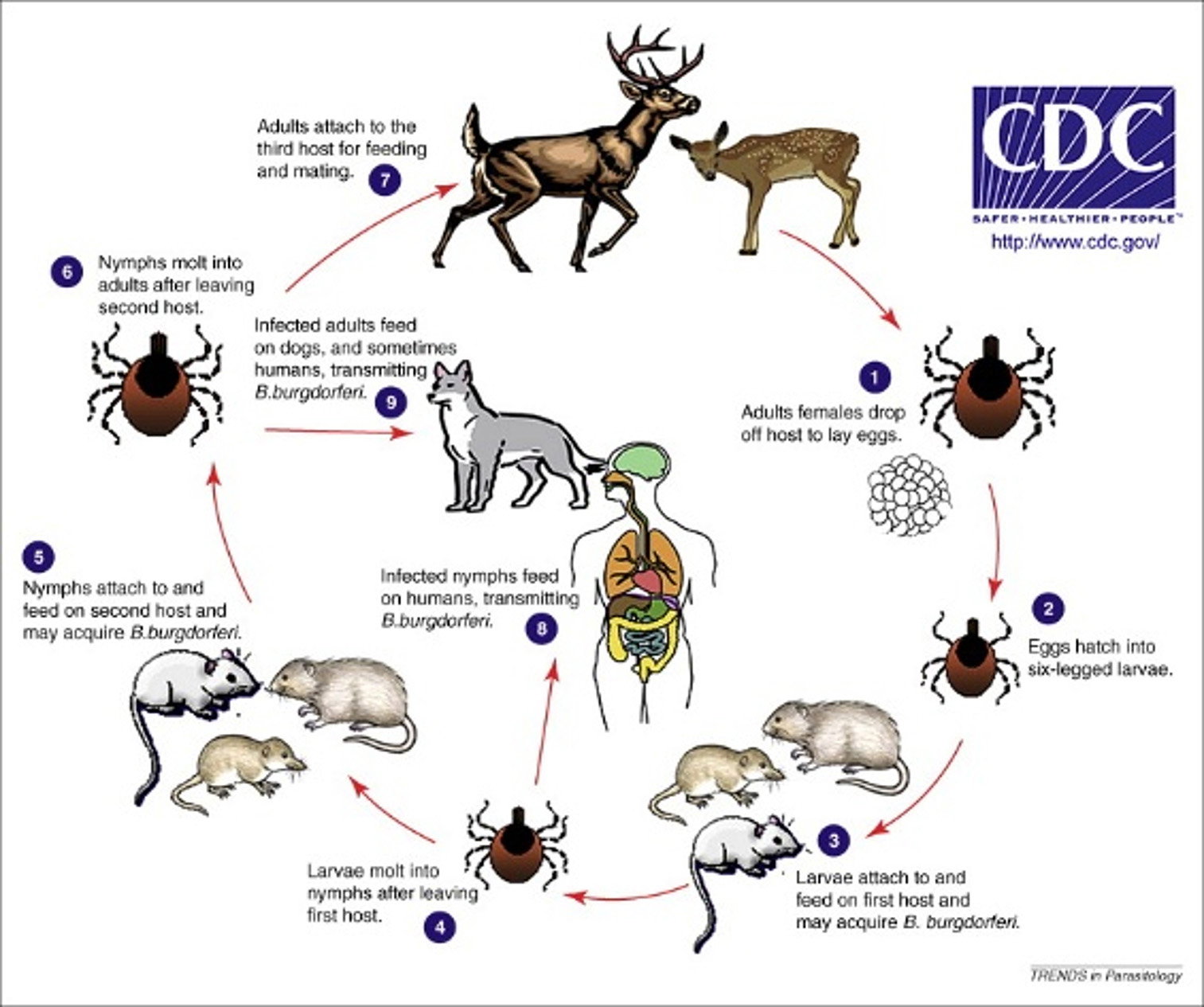
Figure 3. The Complex and Intricate Life Cycle of Borrelia Transmission. The life cycle of Lyme disease shows how Borrelia burgdorferi passes between ticks and wildlife hosts. Black-legged ticks complete their development over 2–3 years, progressing through multiple stages. Larvae, nymph, and adult stages. Larvae and nymphs obtain B. burgdorferi when they take their first blood meal through small mammals, especially rodents. During their next feeding, these infected stages can transmit the bacteria to humans. Adult females also require a blood meal to produce their eggs. (Adapted from CDC.)
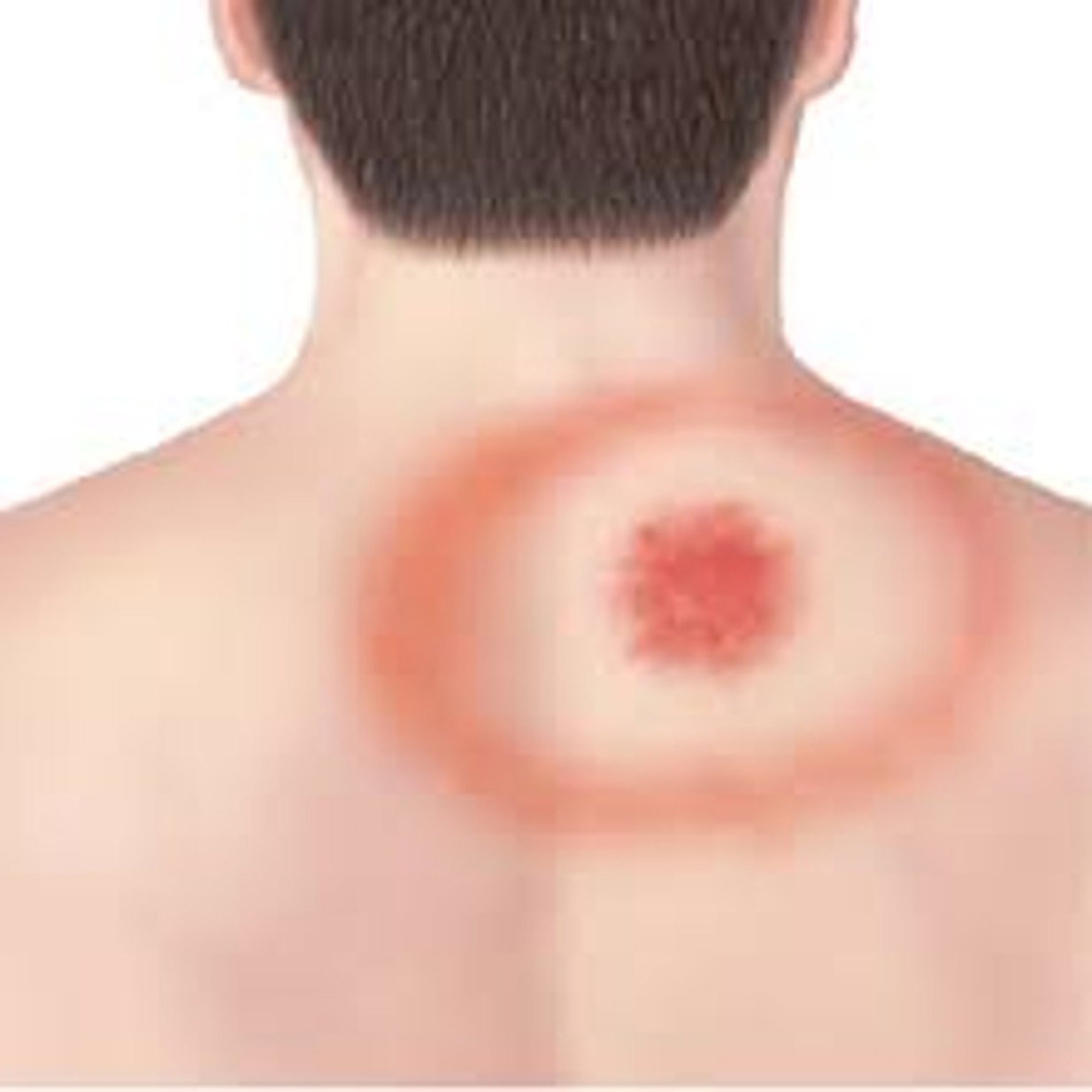
Figure 4. Erythema Migrans (“Bull’s-Eye Rash”) on the Epidermis. This skin lesion is a primary indicator for early Lyme disease diagnosis, the target-shaped rash gradually enlarges as it spreads outward from the center. The rash can widen to roughly 12 inches as the bacteria slowly spread away from the original tick bite, creating the familiar outward-moving ring. (CDC image.)
Ticks as Scavengers and Later Parasites
Evidence suggests that tick anatomy has significantly changed over time, and with this anatomical change came changes in ability and behavior. Previous anatomical configurations of ticks (Figs. 5, 6) suggest that they originally scavenged organic debris (including bat guano) and plant matter before switching to feed on blood in the post-Fall period. Ticks harbor specialized, beneficial bacteria (endosymbionts) inside their guts. The tick relies on these bacteria to synthesize essential B vitamins that are missing from their blood diet. This functions similarly to humans needing bacteria inside our guts to aid in breaking down the food from our diets into essential vitamins and nutrients which sustain us. Dr. Willy Burgdorfer (original discoverer of Borrelia as an agent of Lyme disease) reports, “I emphasized that every tick, regardless of species, carries its own endosymbiotic bacteria, and that a thorough knowledge of the morphology and distribution of these symbionts is essential before secondarily acquired pathogens can be evaluated” (Edlow 2003, 131). One translation of Burgdorfer’s statement is that ticks are incredibly intricate and complex creatures that, as we have identified, harbor many organisms within themselves, both normal microbiota and deadly pathogens; only when we understand the normal microbiota of these creatures can we fully understand the ability of these creatures to host such deadly diseases and other pathogens be discovered.
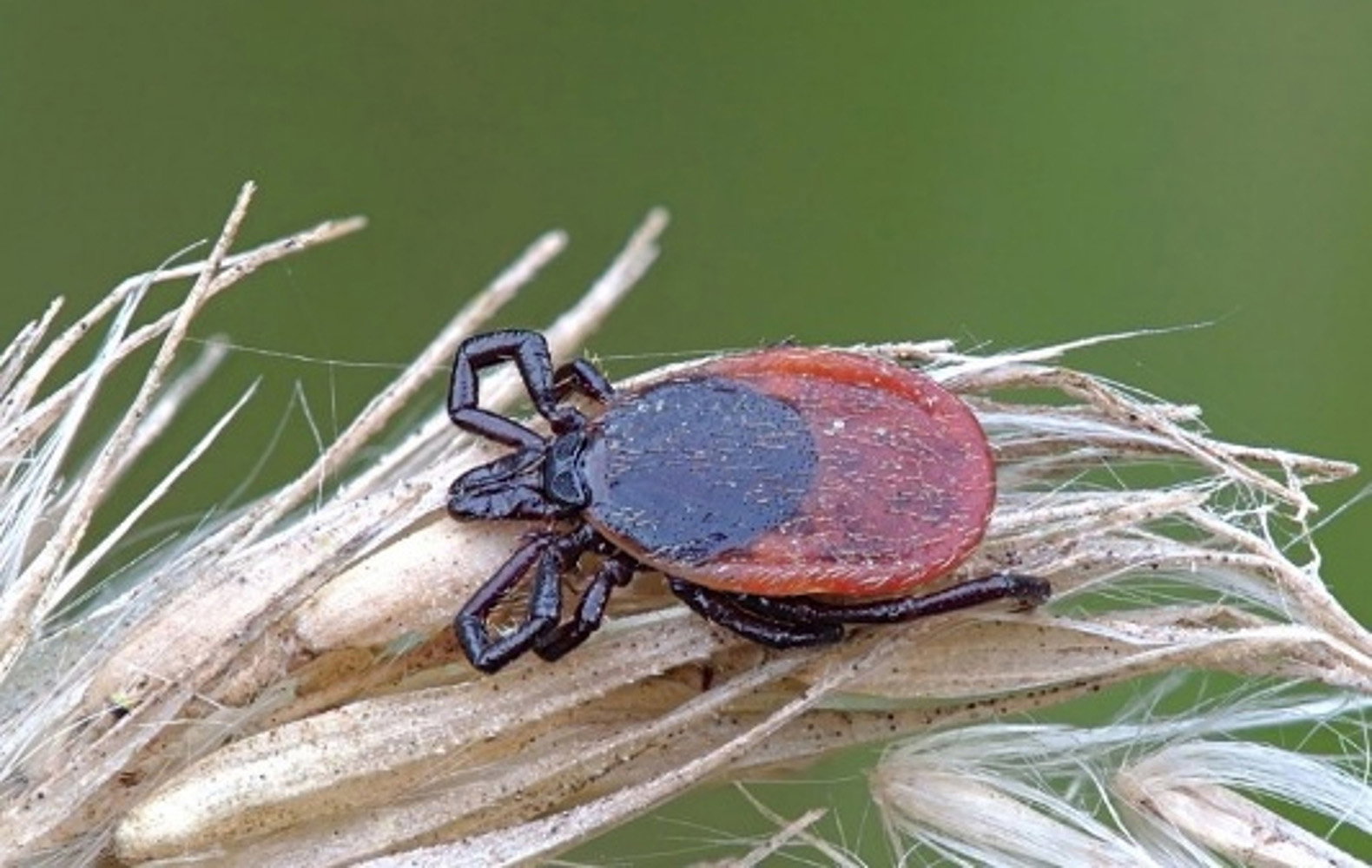
Figure 5. The Black-Legged Tick (Ixodes scapularis) on Dry Grass. These tick species are responsible for the transmission of Lyme disease. It can be recognized by their partial, inornate, oval-shaped dorsal shield. Nymphs and larvae usually feed on smaller rodents, while adults rely on larger mammals such as white-tailed deer. (Image: W.alter, CC BY-SA 4.0, via Wikimedia Commons.)

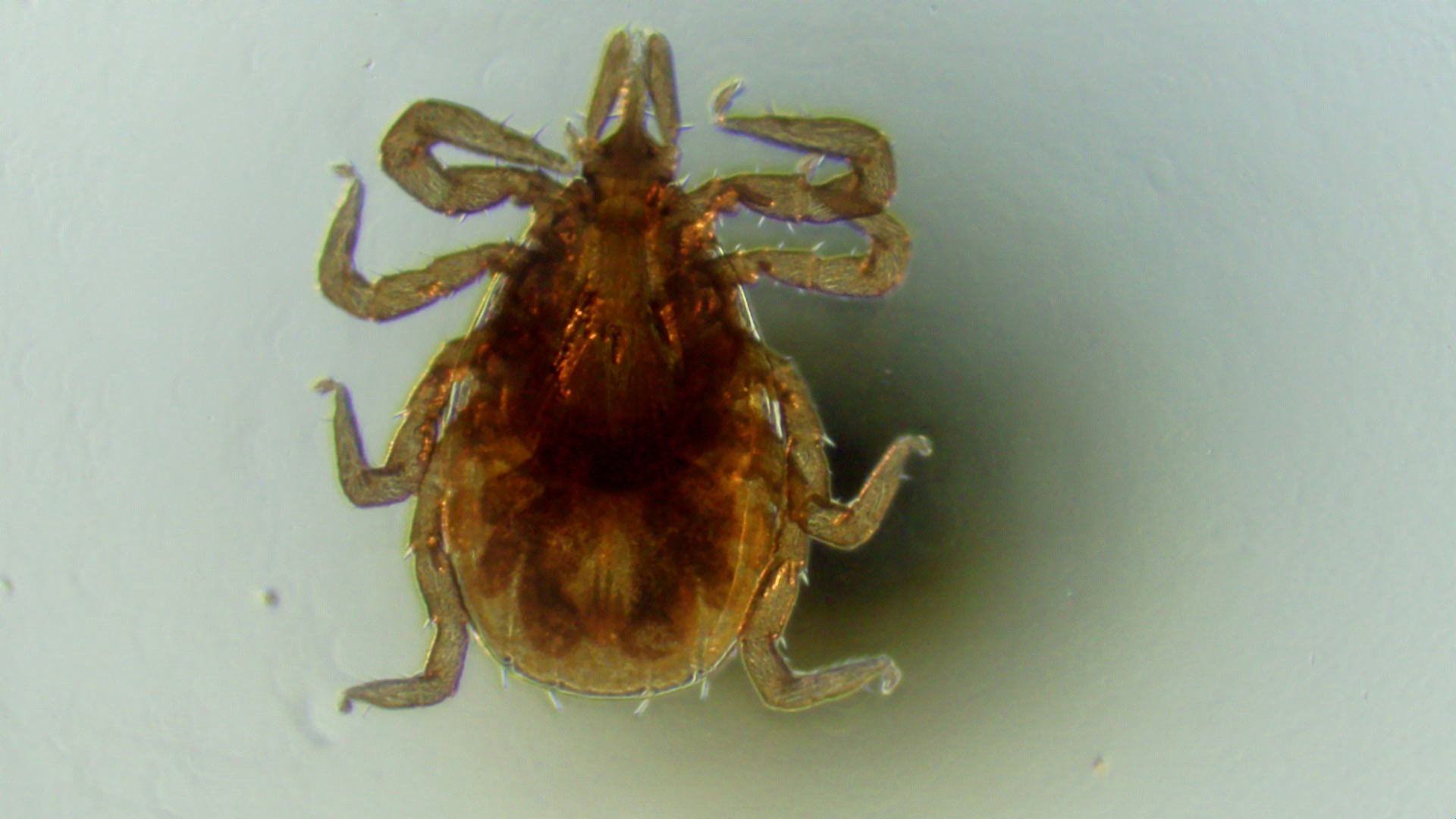
Figure 6. Ixodes scapularis Under Phase-Contrast Microscopy (PCM) (40x Magnification). By enhancing structural contrast with the assistance of PCM, the internal structures of the black-legged tick can be easily viewed, with a clear image of the tick’s thin internal organs. The image provides a clear view of the internal anatomy, including the palps, salivary glands, synganglion, accessory glands, midgut, and lower intestines.
Tick Classification and How Have Ticks Emerged?
According to the University of Florida’s website (Shetty),
Ticks are classified into three families: Ixodidae (hard ticks), Argasidae (soft ticks) and Nuttalliellidae (a rare, ancient group with only one species).
The earliest true ticks were already obligate blood-feeders, meaning they needed blood to survive.
And they noted that evolutionists also believe that “Ixodidae—the order today’s hard ticks belong to—emerged during the Cretaceous period.”
By contrast, creation biologists would postulate ticks did not take blood from animals nor man originally. Before they changed into the highly specialized parasites we know today, their ancestors likely led a very different lifestyle. The early ticks probably scavenged organic material, including bat dung, or fed on decomposing organic matter in the soil. Over time (post-Fall), they changed into blood-feeding ticks, a major shift likely driven by access to a more consistent and nutrient-rich food source: vertebrate blood.
Why Did Ticks Switch from Scavengers to Blood-Feeders?
The Fall and/or the Flood marks the probable fulcrums from which the tick transitioned from a scavenging creature to a blood-feeding parasite.
Ticks are incredibly resilient and ancient pests. Some have been found preserved in amber dating back over 3,000 years. Borrelia bacteria have been identified in ancient men (i.e., Ozzi) dating back to 3,300 BCE in the Ötzal Alps, Austria (Drymon 2018). The Fall and/or the Flood marks the probable fulcrums from which the tick transitioned from a scavenging creature to a blood-feeding parasite. The likely cause of this transition is the higher nutrition and reliability of blood as a food source compared to decomposing plant matter or guano. The tick, now in an extremely competitive environment facing the challenges of natural selection, adapted its diet to blood to gain a survival advantage and became an extremely successful parasite. The addition of direct and indirect competition in the ecosphere after the Fall also helped the tick to transition toward hematophagy, as it could now directly feed on live animals, expanding their food resources tremendously. Birds, reptiles, and mammals all became new mobile food sources, helping the small parasitic organism gain both tremendously increased mobility and fitness. The combined ability to “hitch a ride” and feed on the same host allowed ticks to migrate easily and inhabit new areas, increasing their fitness and global spread. Of course, it is unknown how long the transition period from scavenger to parasite was; it is possible the transition began with ticks slowly feeding on fluids from wounds or soft tissue. Over time, as their individual fitness increased and the environment changed to cater to their new diet, they adopted traits favoring full blood feeding as the most effective means of survival, which gave rise to the distinct group of blood-feeding ticks we recognize today.
The “Emergence” of Blood-Feeding Ticks and Anatomical “Change” in Saliva and Mouthparts
In a noncompetitive pre-Fall world, scavenging defined tick feeding and behavior. Organic debris, excrement, and plant matter would have made up the tick diet, as direct or indirect competition with other species was not a problem. Therefore, as all other creatures did, they lived in a symbiosis with the ecosphere. The emergence of competition forced the ticks to adapt, both in their behavior and their anatomy. As blood-feeding became the central diet for ticks, they developed specialized structures to enhance their fitness, these include:
- The capitulum: a system of three small components that aid ticks in staying attached to their hosts for hours or even days
- Palps: sensory feelers that help the tick find an adequate feeding site but don’t pierce the skin
- Chelicerae: bladelike structures that saw through the host’s skin
- Hypostome: a barbed, straw-like structure that anchors the tick to the host’s skin
- Haller’s Organ: a highly specialized sensory pit on the tick’s foreleg that functions like an antenna, detecting carbon dioxide, body heat, moisture, and odors emitted by passing hosts (Grant et al. 2026)
- The Haller’s Organ is best observed using a phase-contrast, confocal, or Scanning Electron Microscope (SEM).
These specialized anatomical structures (Header, Fig. 6) allowed the post-Fall tick to adequately identify the host, latch on, break through the skin, and remain feeding for extended periods of time. Yet another adaptation was needed to ensure ticks could feed stealthily and avoid alerting the host to their presence. Ticks adapted special anticoagulant saliva, which is contained in small sacs, best observed with phase-contrast microscopes (Grant et al. 2026). This anticoagulant saliva acts as a special chemical cocktail that prevents a clotting response from the host, allowing the tick to continue feeding for extended periods of time. It also eliminates a pain response from the host. The saliva (Goodman et al. 2005; Johnson 2023) includes:
- Anticoagulants: to stop the host’s blood from clotting.
- Vasodilators: to open blood vessels near the site of feeding to improve flow
- Immunosuppressants: to aid in quieting the immune system so the host does not detect them and begins an immune response
- Pain Blockers: to prevent itching, pain, or other sensations around the bite.
Salivary glands were easy to see with an inverted phase microscope or dark-field microscope in our spring 2026 research studies (Grant et al. 2026). We could see the tick salivary glands as intricate, complex, grapelike clusters of cells lining salivary ducts. They are critical organs for fluid balance, secreting cement to anchor the tick, and transmitting pathogens during feeding. In research of the past, it was much more difficult in visualizing Borrelia spirochetes from freshly killed ticks because there are so many other bacteria mixed. Our approach turned to known stained specimens in analyzing Borrelia biology under a blue filter to improve resolution.
Tick Transitions from Saprophytic to Hematophagous
The best hypothesis for the origin of blood-feeding habits in ticks is that they were once scavengers of plant material (like leghemoglobin), organic debris, detritus, and animal excrement. A notable example is the South American bat tick, Antricola delacruzi, which has adapted to bat guano. Bat guano is a nutritious substance for ticks. In this species, the larvae take an initial blood meal from cave-dwelling bats, but once they develop into nymphs and adults, they shift to a completely different lifestyle. Instead of remaining on a host, these later stages live freely and eat bat guano on cave floors and walls, feeding on the nutrient-rich material rather than blood. Guano contains chitin, iron, and other nutrients from the insects that bats consume, providing enough resources for the ticks to grow and molt successfully.
Other ticks in the Americas alternately eat bat guano and blood (Johnson 2023). Some species may even switch between taking a blood meal and feeding on guano. In North America, the best known guano feeding tick, Ornithodoros coprophilus (Fig. 7), has been reported in both Mexico and the United States, recorded in both Texas and Arizona. More are now entering the US at the Mexican border through bat dung. Although the exact progression in the shift from a pre-Fall non-predatory tick to the blood-feeding kinds we see today remains uncertain, the existence of guano-feeding species offers an intriguing hint. Nutrient-rich plant materials, like legumes, and the remains of insects containing chitin and iron could have supported early ticks in a scavenging role. Ticks may originally have helped the natural balance of ecosystems by recycling organic matter. Research on Antricola delacruzi supports this pattern. Its larvae still take a blood meal, but the nymphs and adults rely entirely on nutrient-rich bat guano instead of hosts. Their reduced mouthparts, defined by higher chitin-binding protein levels and lower expression of blood-feeding genes, provide more evidence for a true shift away from blood-feeding in two life stages (Ribeiro et al. 2012). This guano-based strategy may help later life stages avoid parasitism while making use of an abundant food source, offering a modern example of how some ticks can thrive without relying on blood. The larvae’s “need” for blood is a post-Fall event, and there remains some mystery in accounting for ticks making the transition of food habits in a fallen world.
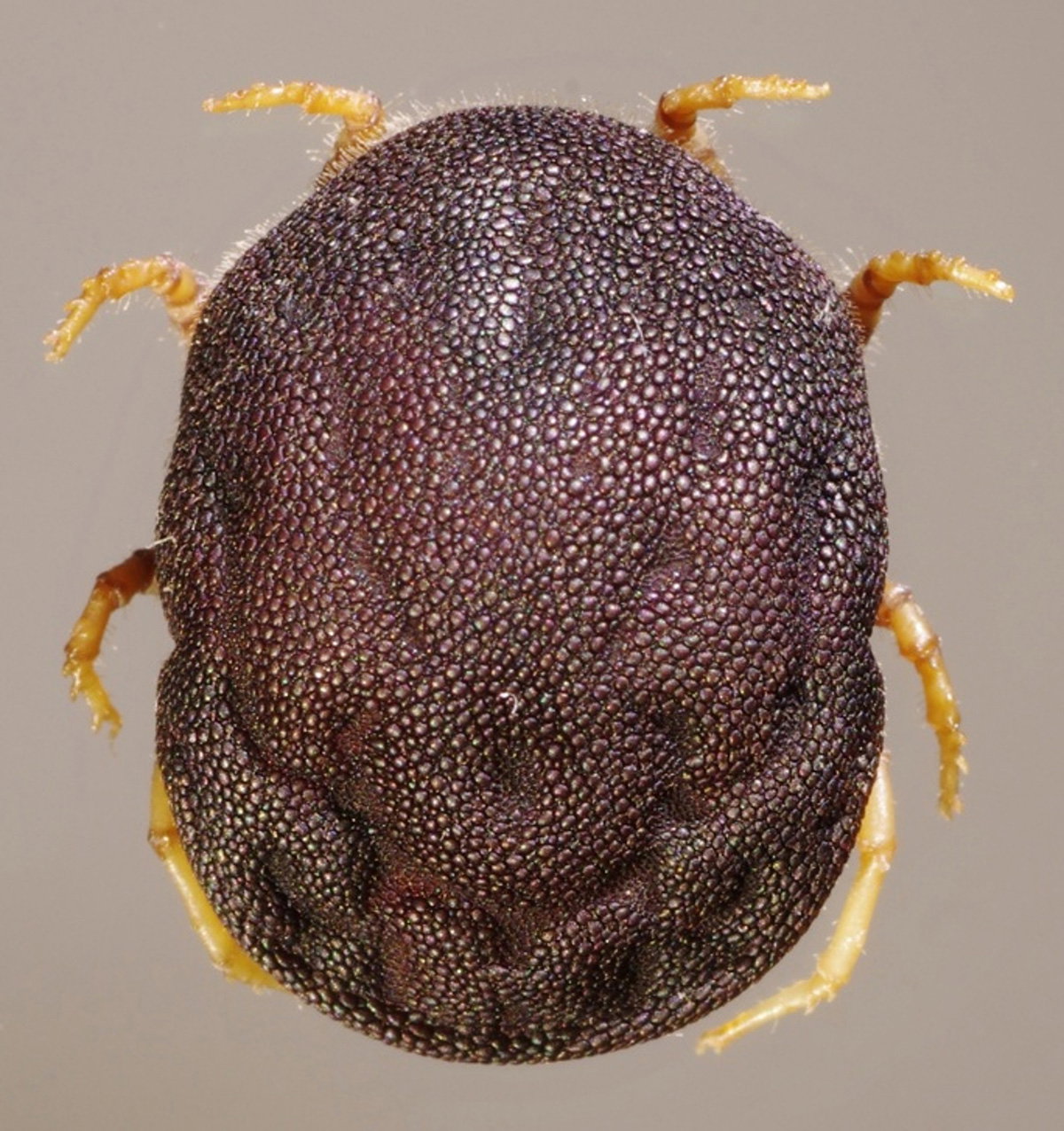
Figure 7. Representative Soft Bat Tick (Genus Ornithodoros). This soft tick primarily uses decomposing organic material and bat guano throughout multiple stages of its life cycle. The ability to live on non-blood organic material suggests how ticks could have functioned in a pre-Fall scavenging lifestyle. This example shows how changes in habitat and resource pressure after the Fall may have led modern ticks to depend on blood-feeding. (Image: Acarologiste, CC BY-SA 4.0, via Wikimedia Commons.)

Why the Adaptation and Variation of Ticks Matters Today
Biologists are interested in studying changes in ticks and bacteria to get the bigger picture of life in an ever-changing world. The landscape is always emerging (Gillen and Conrad 2021). If we can predict the changes, we might have a better sense of how to control disease. Understanding the adaptation and variation of ticks, from their anatomy to their chemically advanced saliva, gives researchers critical insight into how tick-borne illnesses spread and how we might stop their overpopulation in suburban areas and have less disease.
Summary of Borrelia, Mice, Ticks, and Animals
In summary, all creatures were meant to have a purposeful place in life. This is not limited to animals and mankind but extends to even the smallest of organisms, such as ticks and bacteria. The creatures of the earth were designed in an ordered, planned habitat and functioned in occupational, crafted, and created niches. The life cycle of ticks, wild mice, deer, and man have a complex, intricate life cycle. A biblical “One Health” stewardship initiative provides a conceptual model of global health for the future and reflects the unity of original creation, where each organism, people, animals, and the environment are in a rightful place with one another and benefit health (Genesis 1; Psalm 104). All life on earth was designed to possess a good niche (profession) and a beautiful habitat (place) for man to take care of. In this post-Fall world, the environment and the creatures living within are facing constant stress for survival. There remains somewhat of a mystery how these forces of fitness have changed creatures, such as the tick, from an original “good” design to something corrupted; what was once a commensalistic organism is now a consequential parasite.
The study of ticks, creatures mostly viewed as nuisances, reveals that even the creatures whose mere existence we ponder possess signs of ordered and planned creation.
The study of ticks, creatures mostly viewed as nuisances, reveals that even the creatures whose mere existence we ponder possess signs of ordered and planned creation. Tick anatomy reflects purposeful function in specially designed niches; the ideas presented of pre-Fall and post-Fall tick behavior further reflect how natural selection can have rapid and significant impacts on creature anatomy. Harsh survival environments forced ticks to adapt into parasitic blood feeders that possess unique life cycles and fascinating commensalistic relationships, such as evidenced by the ability for ticks to “hitch a ride” on wild mice.
New and emerging diseases will continue to promulgate due to the state of our fallen world. The spring of 2026 brought forth a new outbreak of Ebola virus in central Africa, likely due to encounters between people in the region (definitive hosts) and the reservoir host for the disease, fruit bats, leading to hemorrhagic fever. Just as Borrelia does not harm white-footed mice, neither does Ebola harm fruit bats, yet both can cause devastating zoonotic effects in humans. The increasing incidence of Lyme disease in Pennsylvania, Virginia, and Kentucky is partly due to rising global temperatures, which provide better habitats for ticks to reproduce and spread. The commercial fragmentation of forests has eliminated predator species of white-footed mice, allowing overpopulation, which bolsters tick populations in turn. Ultimately, with more white-footed mice, more ticks can successfully complete their life cycles and reproduce, culminating in zoonotic spillover. The disruption of ecosystems sets off a chain reaction that results in as much harm to humans as the environment and animals. Continued environmental destruction has moved Borrelia into a new niche, resulting in the rise in Lyme infections witnessed this year. The recent explosion of Lyme disease has forced the Department of Health to reframe its methods for combating its spread; US Secretary of Health and Human Services (HHS), Robert F. Kennedy Jr., announced in May that tick-borne diseases are a priority for monitoring and prevention this summer and in the years to come.
HHS’ Lyme disease initiatives reflect the federal administration’s ongoing commitment to improving prevention, accelerating research, and fostering innovation, while ensuring patients receive timely and effective care. We should pray that the officials in the federal and local governments are effective with their new initiatives and that local education can effectively inform young people in tick bite recognition and prevention. To prevent Lyme disease and AGS, people and pets should avoid tick habitats, wear protective clothing, and apply EPA-approved insect repellents. Key actions include showering immediately after being outdoors and performing thorough tick checks on your body, clothing, and gear. Then, you can enjoy the outdoors and God’s good creation safely.
References
Anderson, J. F., S. W. Barthold, and L. A. Magnarelli, “Infectious but Nonpathogenic Isolate of Borrelia Burgdorferi,” Journal of Clinical Microbiology 28, no. 12 (December 1, 1990): 2693–2699, https://doi.org/10.1128/jcm.28.12.2693-2699.1990.
Baumgarth, Nicole, and Thomas Hart, “Media Briefing: Ticks and Lyme Disease,” John Hopkins Bloomberg School of Public Health, May 5, 2026, https://publichealth.jhu.edu/2026/media-briefing-ticks-and-lyme-disease.
Bowen, Hannah G., Melisha R. Kenedy, David K. Johnson, Alexander D. MacKerell, Jr., and Darrin R. Akins, “Identification of a Novel Transport System in Borrelia burgdorferi That Links the Inner and Outer Membranes,” Pathogens and Disease 81, https://doi.org/10.1093/femspd/ftad014.
CDC Newsroom, “CDC Data Show Weekly ER Visits for Tick Bites Higher than Usual,” April 23, 2026, https://www.cdc.gov/media/releases/2026/2026-cdc-data-show-weekly-er-visits-for-tick-bites-higher-than-usual.html.
Drymon, M. M., The Persistent Spiral: The Ancient History of Lyme Disease and Tick-Borne Co-Infections (Independently published, 2018).
Edlow, J. A., Bull’s-Eye: Unraveling the Medical Mystery of Lyme Disease (Yale University Press, 2003).
Farhana, Aisha, and Yusuf S. Khan, “Biochemistry, Lipopolysaccharide,” StatPearls, National Library of Medicine, last updated April 16, 2023, https://www.ncbi.nlm.nih.gov/books/NBK554414/.
Gillen, A. L., The Genesis of Germs: Disease and the Coming Plagues in a Fallen World, 2nd ed. (Green Forest, AR: Master Books, 2020).
Gillen, A. L., and J. Conrad, “Why New Diseases Keep Popping Up,” Answers in Genesis, July 3, 2021, https://answersingenesis.org/biology/disease/why-new-diseases/.
Gillen, A. L., and M. Eakin, “The Origin of Ticks and Genesis and Emergence of Lyme Disease,” Answers in Genesis, August 4, 2021, https://answersingenesis.org/biology/disease/origin-ticks-genesis-emergence-lyme-disease/.
Goodman, J. L., D. T. Dennis, and D. E. Sonenshine, eds., Tick-Borne Diseases of Humans, 1st ed., (Washington, DC: ASM Press, 2005).
Grant, S., J. Marks, S. Smith, T. Davis, M. Milhorne, Z. Nedlock, and A. Gillen, “The 3-D Apparatus of Local Ticks: A New Insight into the Mechanism of Sensing Hosts and Their Storage of Pathogens,” Poster Presentation, April 23, 2026, Liberty University, Lynchburg, VA, https://digitalcommons.liberty.edu/research_symp/2026/posters/70/.
HHS Press Office, “HHS Unveils Sweeping Plan to Combat Lyme Disease and Advance Treatment,” US Department of Health and Human Services (HHS), May 29, 2026, https://www.hhs.gov/press-room/hhs-unveils-plan-to-combat-lyme-disease.html.
Honce, Christian, “Tick Talk: UK Researcher Targets Lyme Disease with 2 Grants,” University of Kentucky, March 27, 2026, https://medicine.uky.edu/news/tick-talk-uk-researcher-targets-lyme-disease-2-2026-03-27t08-40-04.
Johnson, N., Chapter 4 of Ticks: Biology, Ecology, and Diseases, 1st ed., (Surrey, UK: Academic Press, 2023), 45–59.
Milhorne, M., T. Davis, S. Grant, and A. Gillen, “Bitten: A Survey of Tick-Borne Diseases,” Poster Presentation, April 23, 2026, Liberty University, Lynchburg, VA, https://digitalcommons.liberty.edu/research_symp/2026/posters/33/.
Ribeiro, J. M. C., J. Chmelar, J. Kopecky, and J. M. Calvo, “Tick Salivary Compounds: Their Role in Modulation of Host Defences and Pathogen Transmission,” Frontiers in Cellular and Infection Microbiology 3 (2012): 1–11, https://doi.org/10.3389/fcimb.2013.00043.
Rogovskyy, A. S., et al., “Do White-Footed Mice, the Main Reservoir of the Lyme Disease Pathogen in the United States, Clinically Respond to the Borrelial Tenancy?,” Frontiers in Cellular and Infection Microbiology 92, no. 12 (2024): https://pmc.ncbi.nlm.nih.gov/articles/PMC11629617/.
Shetty, Chelsea, “The Evolution of Ticks: How Blood Became Survival,” University of Florida IFAS, accessed July 14, 2026, https://onlineentomology.ifas.ufl.edu/the-evolution-of-ticks-how-blood-became-survival/.
Silhavy, Thomas J., Daniel Kahne, and Suzanne Walker, “The Bacterial Cell Envelope,” Cold Spring Harbor Perspectives in Biology 2, no. 5 (May 2010): https://doi.org/10.1101/cshperspect.a000414.
Stevenson, B. Personal Communication. 2026.
is a professor of biology at Liberty University. is a Liberty University graduate and a veterinarian student at Midwestern University, and is a biomedical student at Liberty University.
Answers in Depth
2026 Volume 21

Answers in Depth explores the biblical worldview in addressing modern scientific research, history, current events, popular media, theology, and much more.
Browse Volume
Support the creation/gospel message by donating or getting involved!

Answers in Genesis is an apologetics ministry, dedicated to helping Christians defend their faith and proclaim the good news of Jesus Christ.
- Customer Service 800.778.3390
- Available Monday–Friday | 9 AM–5 PM ET
- © 2026 Answers in Genesis