


Morality
Man Basically Good?
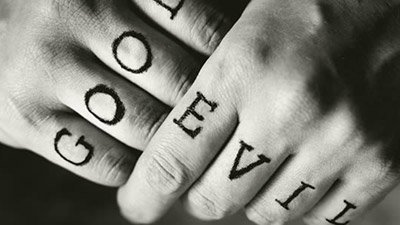
The question of whether man is inherently “good” or “evil” has inspired many poets and philosophers to produce a plethora of theater plays, poems, and tales. Human nature is by no means described by the Bible as good.
Good Without God?
Atheists tell us that we should be good for goodness sake, that people can be good without God. But they don’t tell us how they know or how they measure what is “good.”
Evolution and Morality
Many evolutionists are quite clear that evolution does not provide a basis for morality. If evolution is true, then there can be no universal moral code that all people should adhere to.
God’s Unchanging Standard of Morality
God’s moral standard flows from His unchanging nature. Because God’s nature is perfect and holy, He cannot sin, so His standard is objective. It is impossible for God to contradict Himself or act inconsistently with His own nature.
Articles About Morality
-
June 5, 2018 from Ken Ham Blog
During a roundtable discussion in the White House, US President Donald Trump referred to members of the violent gang MS–13 as “animals.”
-
March 13, 2018 from Ken Ham Blog
Atheist Richard Dawkins is known for stirring the pot over at Twitter with his inflammatory tweets, such as “Could we overcome our taboo against cannibalism?”
-
Jan. 16, 2018 from Ken Ham Blog
A recent article in The New York Times argues that if your child is lying to you, that’s a good thing! So why would you want your child to lie to you?
-
July 9, 2017 from Letter from Ken
Over the decades, evolutionists have often mocked me for tying evolution to morality. They claim that evolution has to do with “science,” not morality.
-
Oct. 14, 2016 from Answers Magazine
Even atheists admit that people who err about origins aren’t necessarily “ignorant, stupid, or insane.” There is a fourth option.
-
Which Came First: Knowledge of God or Morality? (Or Both?)April 26, 2016
Man’s sense of the supernatural and morality, coupled with the fact that there is organized religion, all point to something special about humankind.
-
Study Asks, “Does Morality Decline Without Religion?”Feb. 3, 2016
Morality in the secular worldview changes with each generation, but Christians have an unchanging standard and can consistently call actions right or wrong.
-
Nov. 14, 2015 from Countering the Culture
Evolutionists are correct in one thing: understanding where people came from is essential to understanding morality and answering the problems in our society.
-
Magazine Department ArticleDesigned for PurityApril 1, 2015 from Answers Magazine
Teens need a fresh approach to sexual purity.
-
Just Be Good for Goodness’ Sake: Is Being Good Good Enough?Dec. 2, 2014
Why should we be good? Without God, is there any reason why anyone should be good? And who defines what is right or good, anyway?
-
Magazine Department ArticleShould We Legislate Morality?July 1, 2014 from Answers Magazine
What is the best way to promote God’s role for government and other authority?
-
Graffiti Alley and the Decay of the WestJuly 1, 2013 from A Tour of the Creation Museum Series
Graffiti Alley provides a glimpse of what happens when we reject God’s clear, objective account of His creation—a creation that is ultimately composed and sustained by the word of God.
-
Book Chapter2.9 Human Behavior (OB9)Aug. 2, 2012 from Did God Use Evolution?
Human nature is by no means described by the Bible as good. A clear picture of God’s diagnosis of man’s condition emerges from only a few passages.
-
Magazine Department ArticleRiotous LivingJan. 1, 2012 from Answers Magazine
Why would civilized people suddenly resort to the sort of violent anarchy that swept across England last summer?
-
-
Feedback ArticleThe Source of Moral AbsolutesMay 13, 2011 from Feedback
Is morality based on God’s personal preferences? What is the source of moral absolutes? Darius and Karin Viet explain.
-
Feedback ArticleA Happy Medium?Feb. 4, 2011 from Feedback
Can a person accept the “morals” of the Bible without accepting the Bible as authoritative? David Wright, AiG–U.S., explains why morality depends on the absolute truth of Scripture.
-
July 4, 2010 from Answers Magazine
The Bible is the only source to properly understand our need for government and its real nature.








Support the creation/gospel message by donating or getting involved!

Answers in Genesis is an apologetics ministry, dedicated to helping Christians defend their faith and proclaim the good news of Jesus Christ.
- Customer Service 800.778.3390
- Available Monday–Friday | 9 AM–5 PM ET
- © 2026 Answers in Genesis