
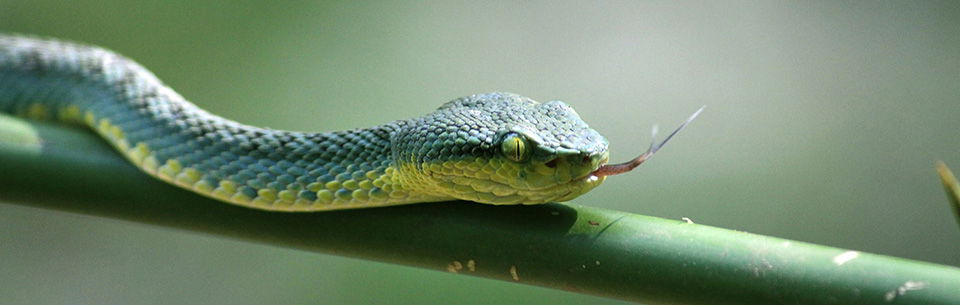
Photo by Ravi Patel on Unsplash
How Did Animals Develop Defense and Attack Structures?
In the beginning, God made everything very good. That means the world was perfect. There was no sin, no death, no suffering, and no disease. The animals were all vegetarian. Yet the world is no longer that way. We see all manner of disease, parasitism, and carnivory. Some of these examples are both brutal and repulsive. Why do we have a world like this? What changed, and how did it come to this?
Contents
The Created World
In Genesis 1, we see God create the world. At the end of the chapter, he calls his creation very good (1:31). In the preceding verse, we find that God gave all the animals with the breath of life plants for food. In other words, God created them vegetarian. In verse 29, we see that humans were also to be vegetarian.
If all the animals and man were vegetarian before the fall, then there would have been no need for any kind of attack or defense. It therefore follows that defense/attack structures (DAS) would not be needed, at least in that role, before the fall.
Defense/attack structures (DAS) would not be needed, at least in that role, before the fall.
A corollary of the created world lacking evil and predation is that it also lacked parasitism. Parasites often cause disease, or even death, in their hosts. A perfect world, not under the curse, would not have disease or death. In fact, the Bible makes it clear that death is a result of sin (Romans 5:12). Parasitism, as such, is a product of the fall.
The Fall
The world did not stay in the perfect state for very long. In Genesis 3, the serpent tempts Eve, she succumbs, Adam follows, and the world is plunged into chaos. God places specific curses on Adam, Eve, and the serpent. As part of Adam’s curse, God promises the ground shall bring forth thorns and thistles (Genesis 3:18). Further, the ground itself is cursed (Genesis 3:17), making it much harder to do agriculture. However, Adam and his descendants are not permitted to eat meat (yet). That permission does not come until after the flood (Genesis 9:3). However, given that in Genesis 6 we are told that everything men thought was evil, constantly, in the lead up to the flood (verse 5), humans hunting (and likely animal carnivory) began quickly after the fall. It is in the post-fall world that DAS becomes relevant.
What Changed

Image source: Creation Museum
In the aftermath of the fall, the world changed. Now creatures could eat each other, leading to the need for DAS. Parasitism and disease also became constant problems for all living organisms. This probably happened slowly at first, as only a few animals initially went into carnivorous/parasitic lifestyles. By the time of the flood, however, we have abundant evidence of animals eating each other.1, 2, 3, 4 Fossil parasites are harder to find because they are soft-bodied, and soft tissue rarely is preserved intact, but there are a few potential examples of pre-flood parasites as well.5, 6 Taken together, this indicates that the idyllic world of Eden is long gone by the time of the flood. Animals have fully adapted to the new reality and are devouring each other, and parasites and disease are rampant.
Attack!
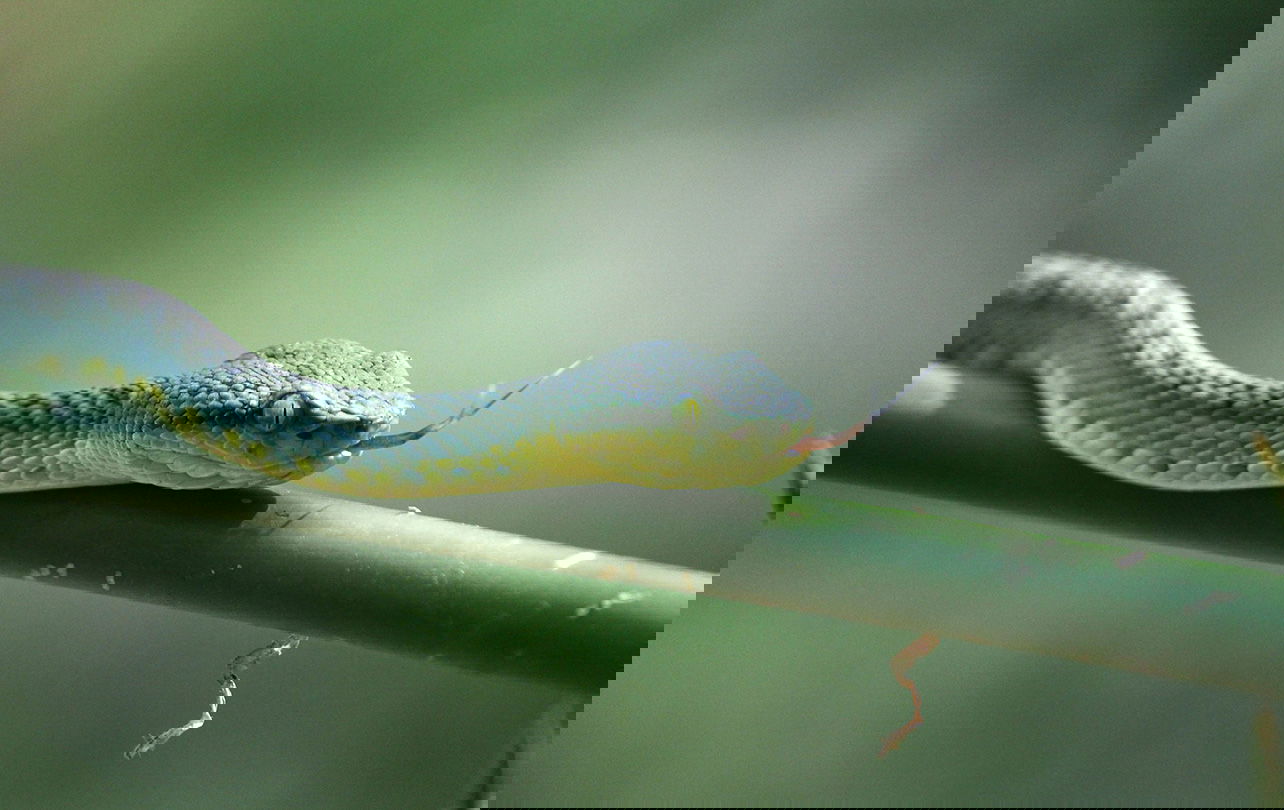
The most obvious use of an attack structure would be for something like hunting. Sharp claws and teeth or venomous fangs could be very useful in killing and eating prey. Snakes use their venom to capture, kill, and subdue their prey. In some cases, they strike, envenomate their prey, then allow their prey to die; others simply grab, inject venom, and hold.7 Many snake venoms have paralytic effects by inhibiting neurotransmitters, while others cause issues with blood clotting.8 The end result is the same: dead prey that can be swallowed whole. If snakes were originally created vegetarian, why would they need venom and fangs? Did venom even exist before the fall?
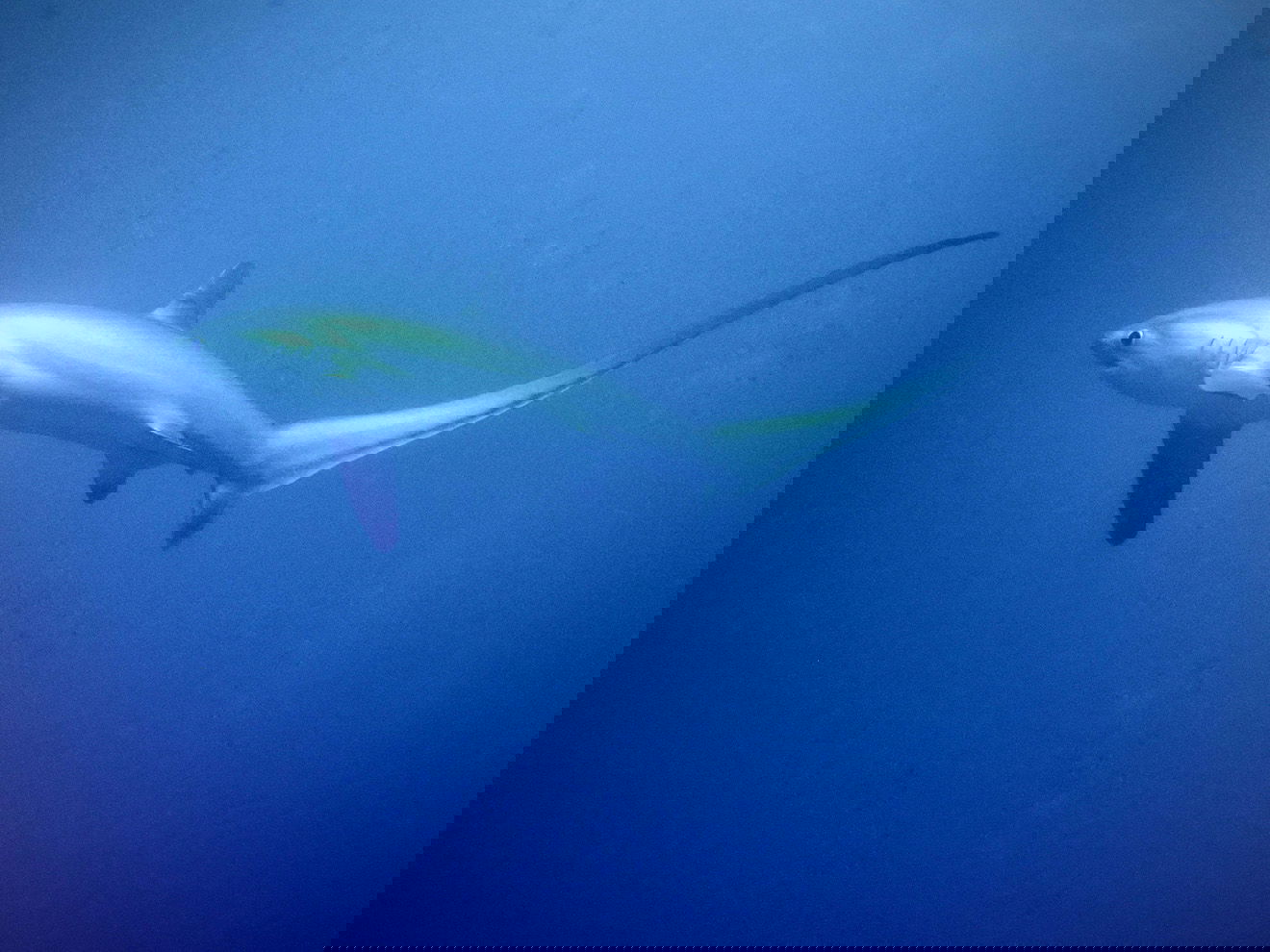
Other attack features are less obvious but equally problematic. Thresher sharks (genus Alopias) are a great example. Besides their obvious sharp teeth, they possess an elongated, curved tail that is used in hunting. Thresher sharks swing their tails at their prey, mostly small schooling fish.9 The strike is so strong that it forces dissolved gases out of the water as bubbles and stuns or even kills their prey.10 The sharks are almost wholly reliant on these tail slaps to disable their prey, with one study finding no evidence that the normal shark behavior of simple lunging into the prey ever resulted in a meal.11 If there was no carnivory before the fall, where did thresher sharks get their unique anatomy and behavior?
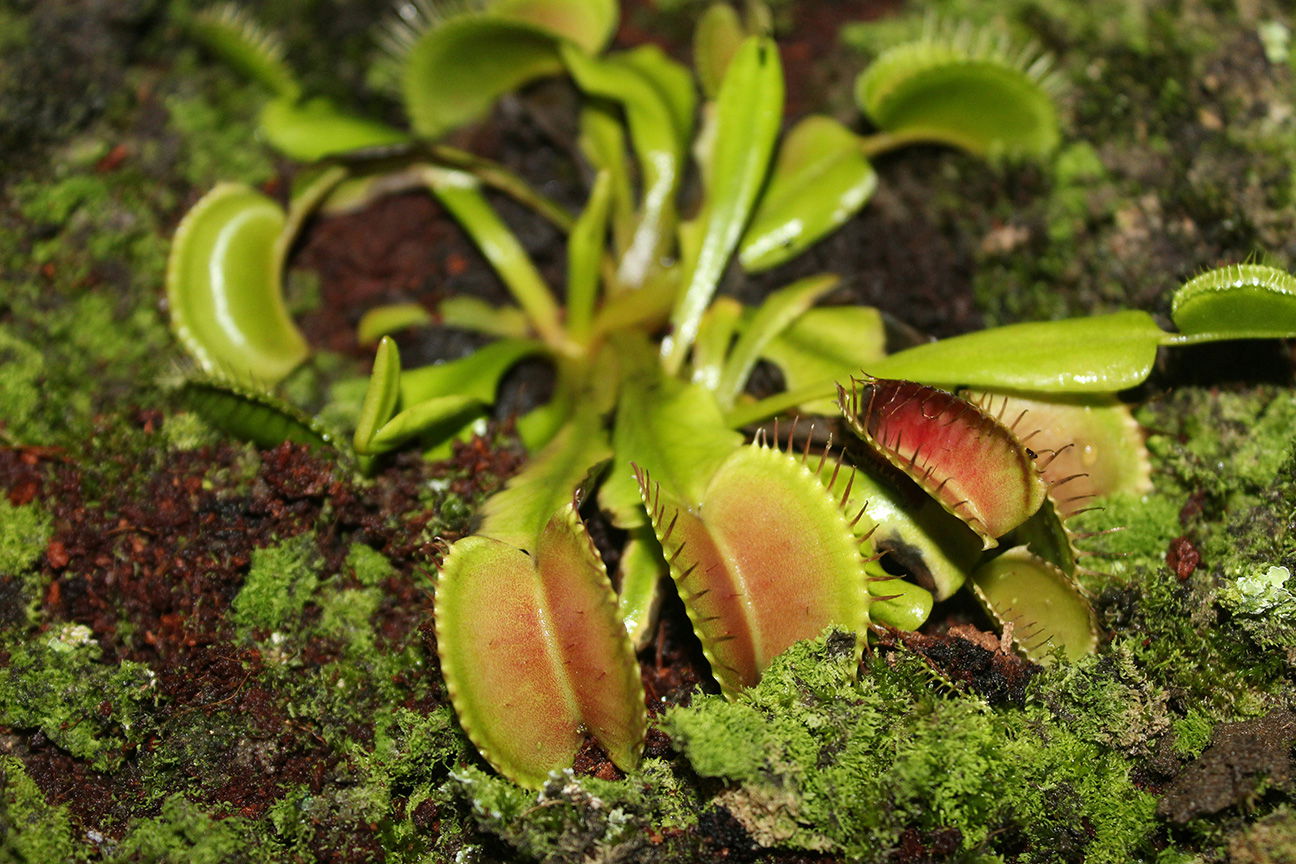
Perhaps the most puzzling of all are the carnivorous plants—in particular, the Venus flytrap that captures insects with a snap trap. The trap is surrounded by trigger hairs, two of which must be touched for the trap to close.12 The double-touch triggers electrical impulses that slam the trap shut.13 The unfortunate insect or arachnid (sometimes even larger prey) is then slowly digested. In a perfect world as described by Genesis 1, would carnivorous plants even exist? If they did exist, did they have their carnivory structures, and what were they used for?
Defend!
Some creatures also have very obvious defensive features. While predators and parasites capture the majority of the headlines and attention, many prey are exceptionally well designed for the fallen world. Animals like deer, antelope, and zebra simply run from their predators. They are designed to move quickly and nimbly across a variety of terrain. Other prey, like pangolins and armadillos, rely on heavy armor plating in their backs to defend against the teeth and claws of their predators. Porcupines even fight back with defensive barbs that can leave a predator still hungry and also in excruciating pain. In a fallen world, such designed features help prey survive against the post-fall predators.
Anyone who has ever smelled a skunk will never forget the experience. Oil produced by specialized glands puts off a horrible scent that is repulsive to humans and predators alike.14 Why would such a noxious odor be needed? And where did it come from?
-
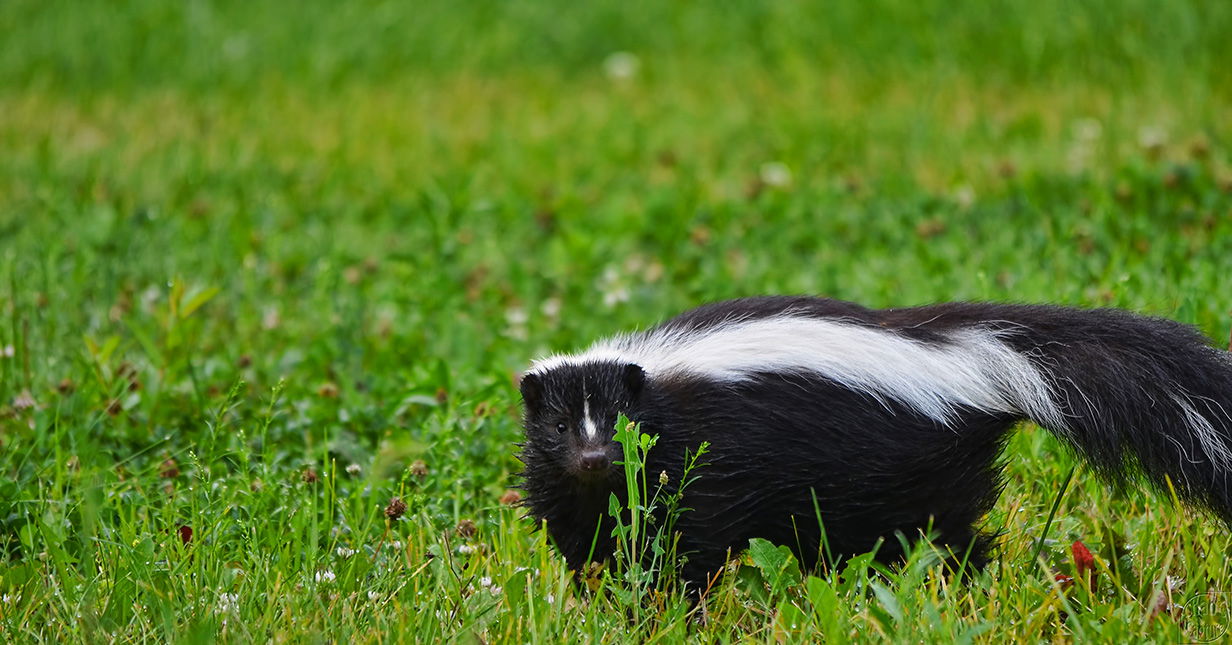
Skunk
Photo by Chad Horwedel on Flickr, CC BY-NC-ND 2.0 -
-
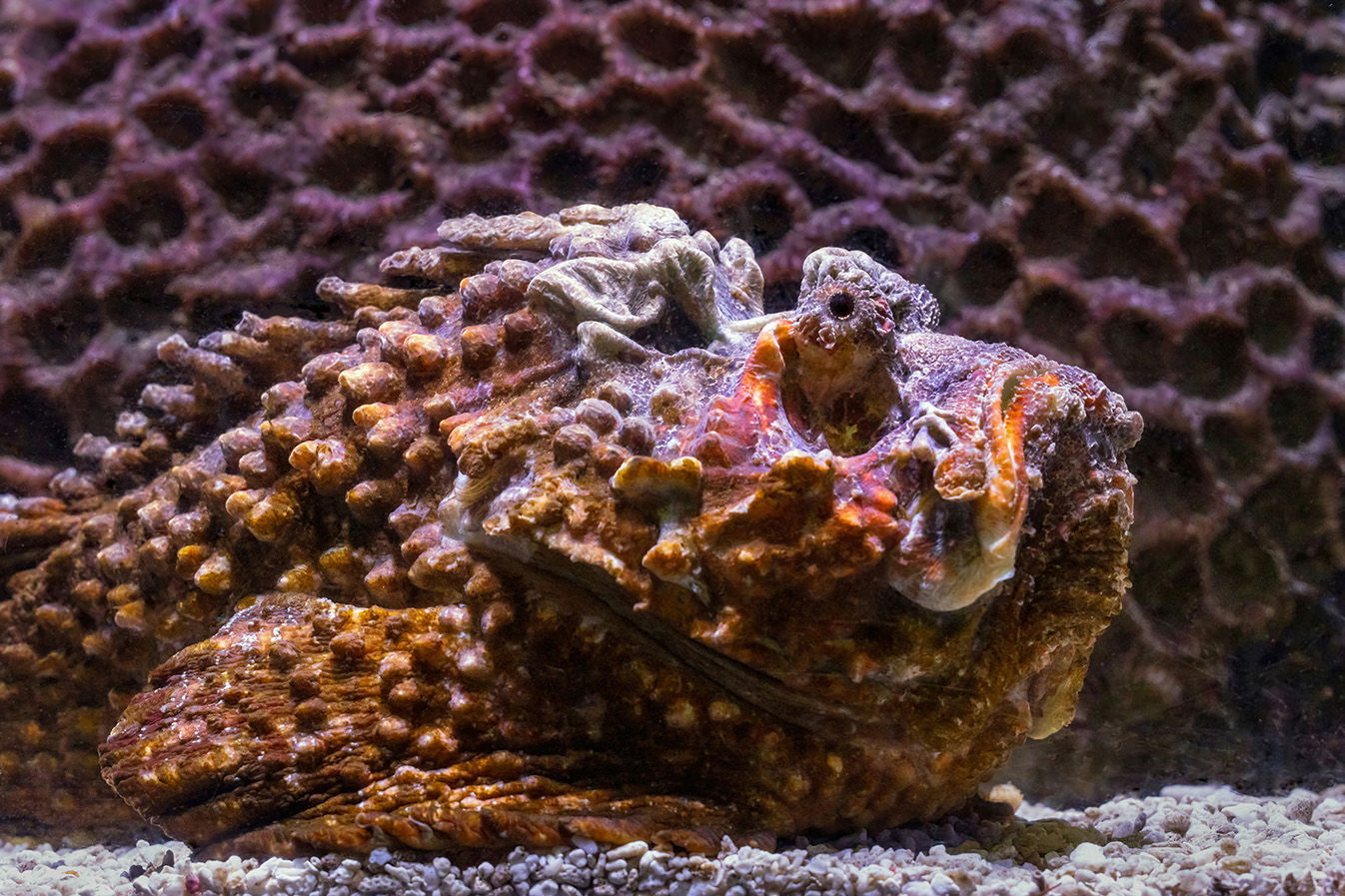
Stonefish
Photo by David Clode on Unsplash
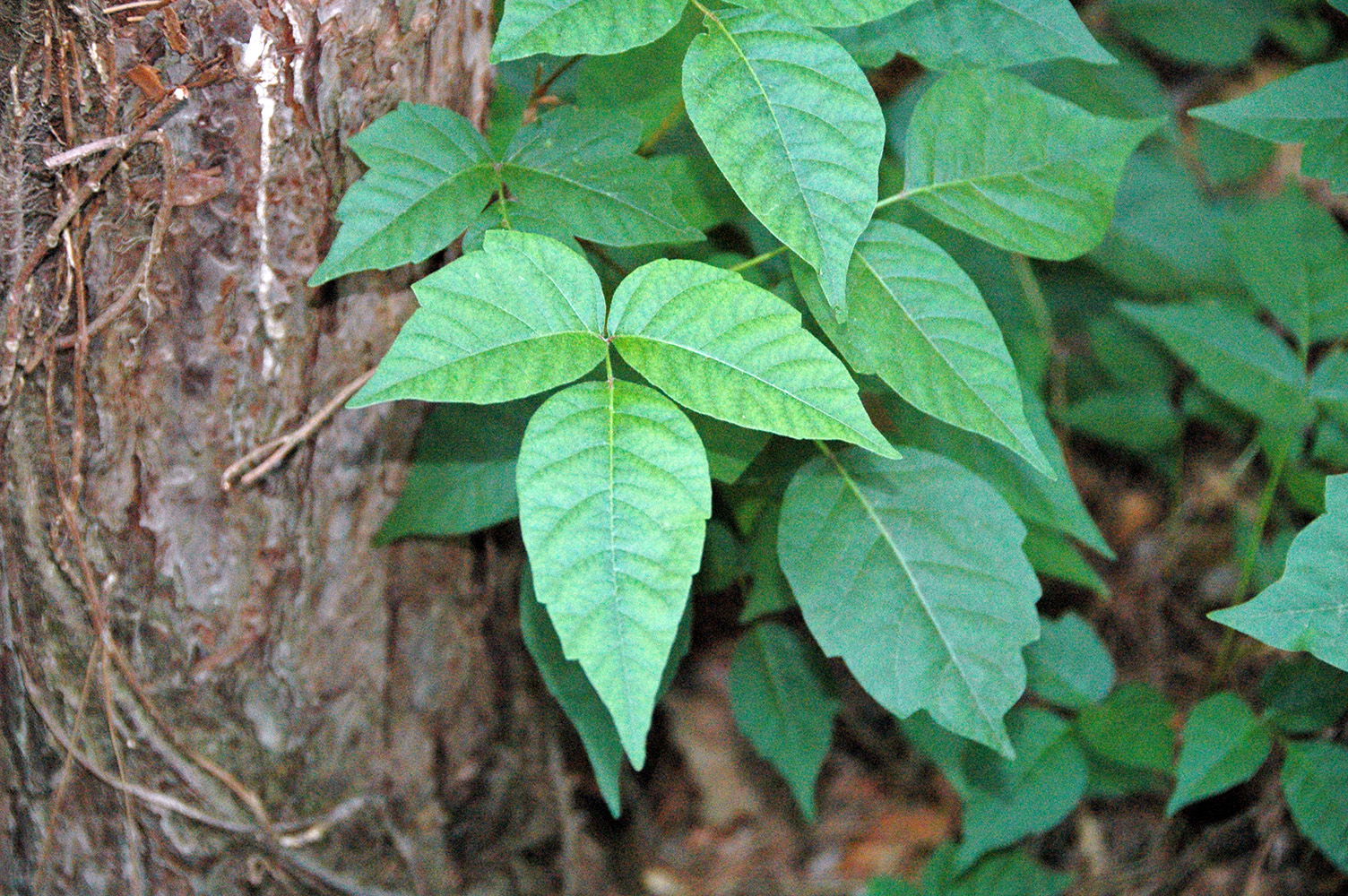
While skunk scent is incredibly unpleasant, the discomfort is easily topped by anyone who has experienced poison ivy. Members of genus Toxicodendron produce a noxious oil called urushiol that causes an unbearable itch in the skin of most people.15 Death can even result if the vine is burned and the fumes inhaled, as the urushiol will also irritate the lungs. Ironically, most animals have no trouble eating poison ivy and its relatives.16 So why does poison ivy exist? What is the point of urushiol if the world was originally made perfect?
Another example is the venomous stonefish (genus Synanceia). These fish spend their lives hiding on the floor of the reef, only running away when the threat is almost on top of them.17 This makes them very vulnerable to human interaction, such as accidental grasping or stepping on. The venom is secreted in at least 18 spines spread across the body, connected to venom glands that secrete venom into ducts in the spines.18 Unfortunately for the curious or clumsy human, stonefish carry venom strong enough to cause necrosis of the affected tissue.19 In one study of the venom’s effects, all 32 examples were on the hand and fingers.20 While not usually lethal, stonefish venom is incredibly painful and sometimes has long-lasting effects.21 Why would such venom exist prior to the fall? And if it did not, where did it come from?
Parasites
Parasites are found worldwide, in every habitat, and on almost every organism. In fact, sometimes even parasites have parasites, a phenomenon called hyperparasitism!22
One particularly grotesque parasite is Cymothoa, a genus of marine isopod that parasitizes at least 16 species of fish.23 These isopods attach themselves to their host’s body, then migrate to the mouth.24 They infect the mouth of their fish host, sucking blood from the host’s tongue. In time, the tongue is so blood-deprived that it simply withers away. The parasite remains attached to the root of the tongue, continuing to suck blood.25 Upon opening the mouth of the infected fish, you are met with a blood-engorged isopod. Why would something so repulsive exist in a perfect world?
-
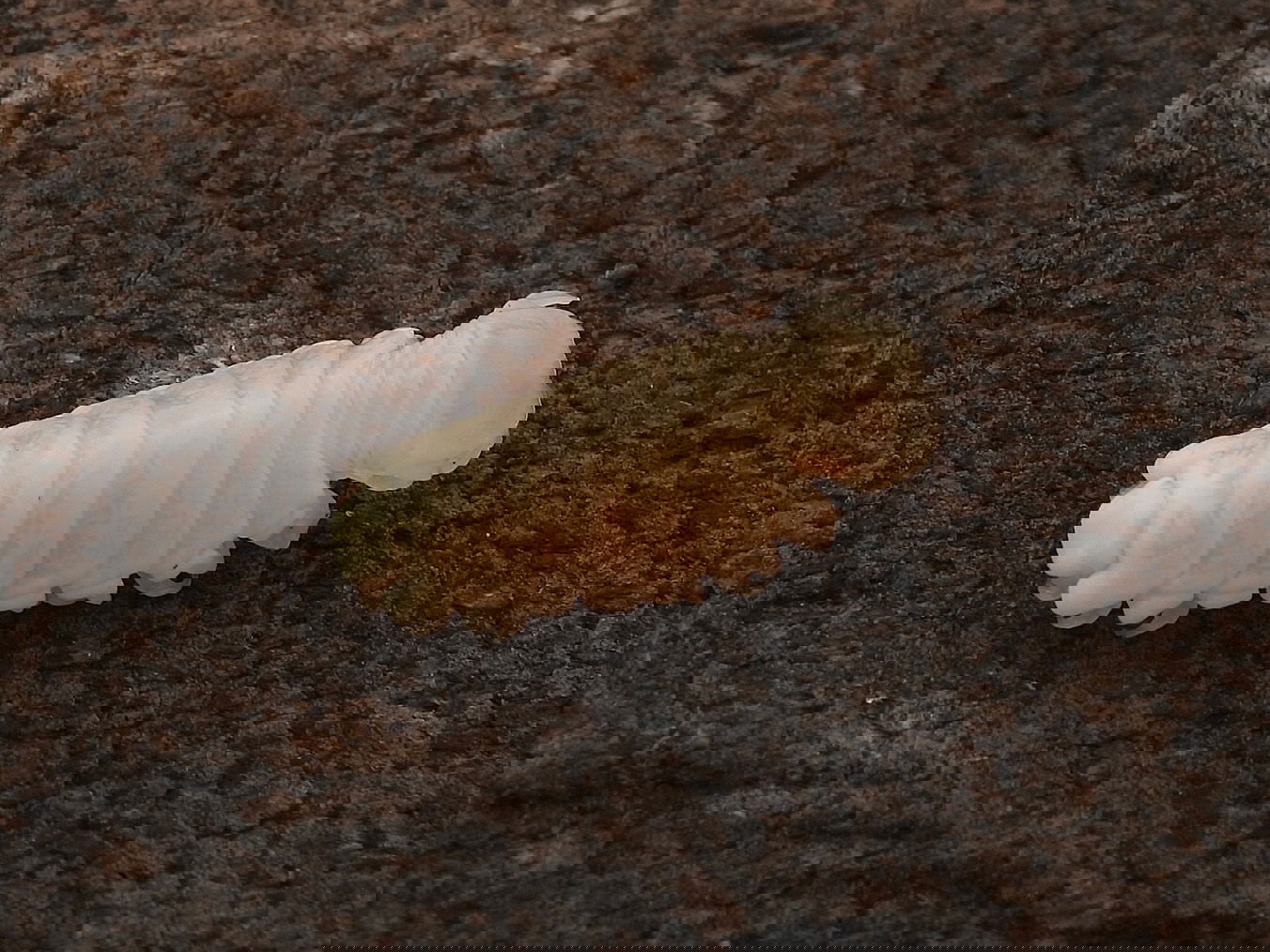
Cymothoa oestrum
Photo by geosesarma on iNaturalist, CC BY 4.0 -
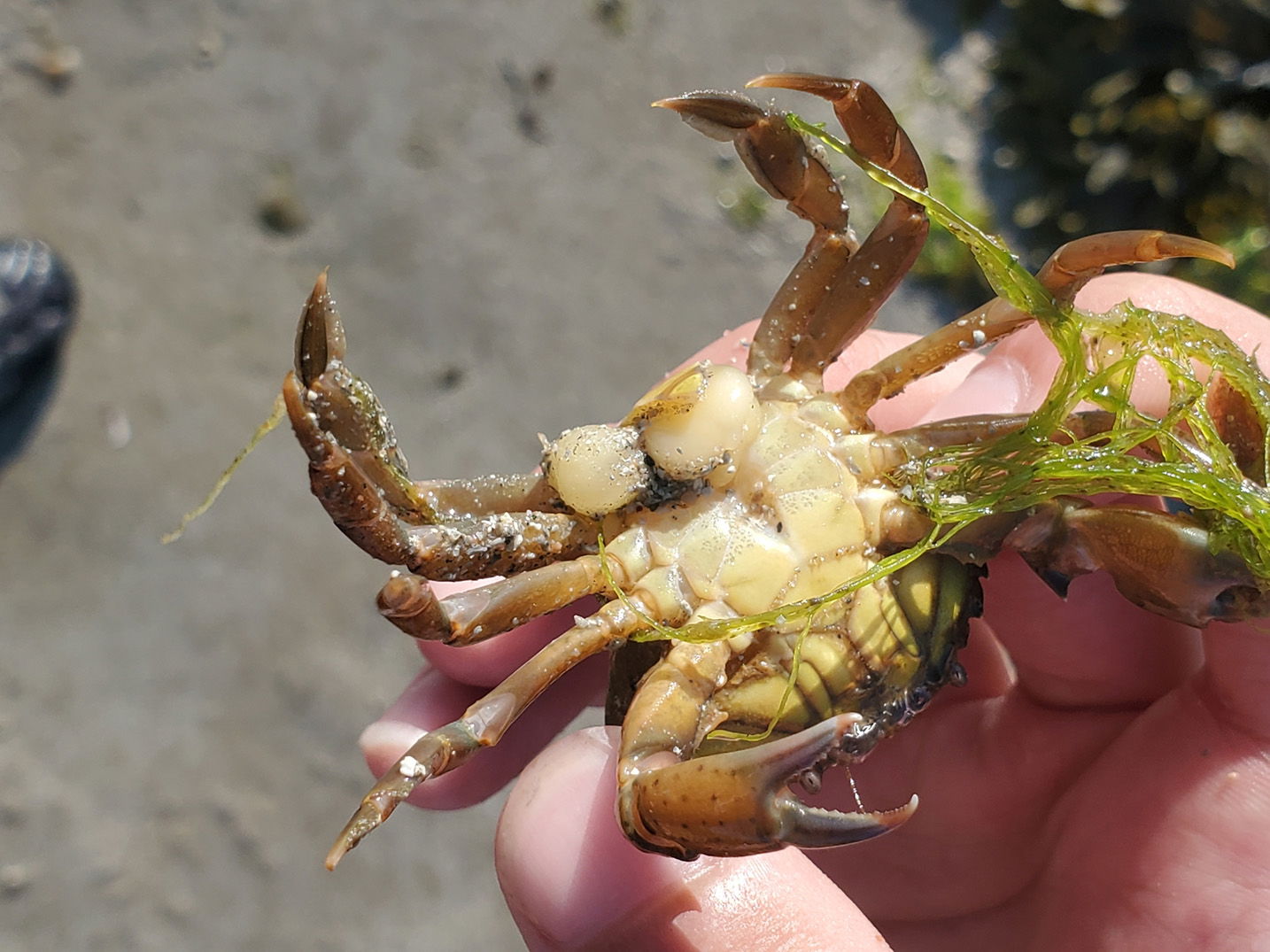
Sacculina carcini on a crab
Photo by D. Rafael S. Fernandes on iNaturalist, CC BY 4.0 -
A less well-known but perhaps more common example are the Sacculina barnacles. These parasites have a complex and multifaceted impact on their hosts—various species of crabs. They prevent the crabs from molting, which prevents them from shedding the parasite.26 Far worse, however, is it makes them sterile and modifies their behavior toward constant eating to support the demands of the parasite.27 It also forces the host to help it spread its own larvae!28
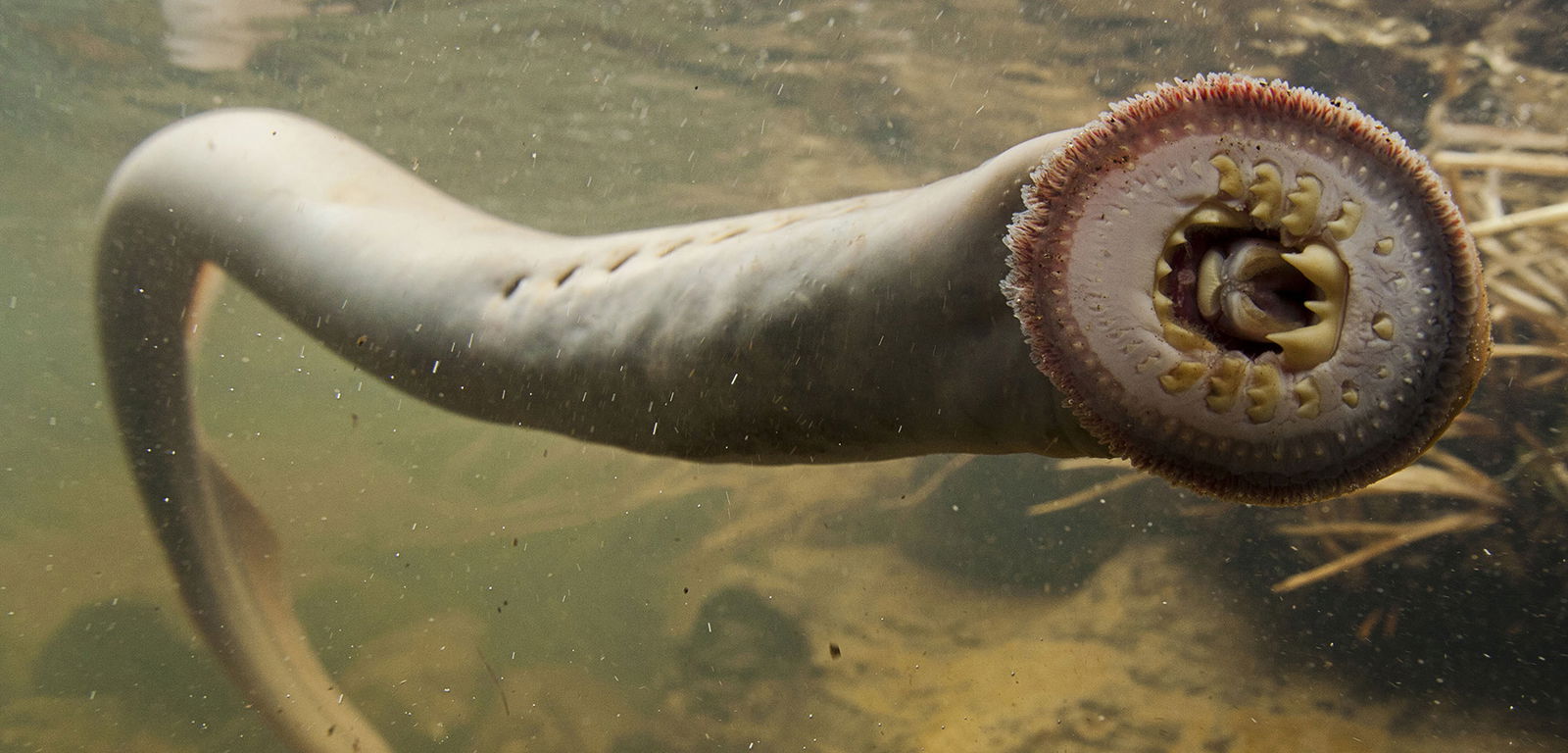
Lampreys attach to the bodies of fish and consume large amounts of blood from their host,29 using a jawless mouth of sharp teeth, and many parasitized fish die from infection.30, 31 This brutal, highly effective parasitism could not have existed prior to the fall, so why is it here now? Where did it come from?
Answers: The Origin of DAS and Parasites
There are several possible explanations for the origin of the DAS and the parasites discussed above. One article is not enough room to discuss in detail every structure, but some generalities should suffice for most. Because God knew, before he ever created Adam, that man would fall, he may have made the world in such a way as to be prepared for it.
Some DAS probably were not manifest prior to the fall, but hidden genetic information revealed them through organismal reproduction and diversification. Others may have simply been repurposed existing structures or have come about due to later mutations.
Different Use
Another explanation is that these DAS had a different use before the fall than they have now. Something like the Venus flytrap, for example, could have been used to trap pollen and detritus as meals prior to the fall. The tail of the thresher shark could also have existed prior to the fall, with the tail being used solely for swimming or potentially for breaking loose seagrass from its holdfasts. Skunk scent also may have had a different function prior to the fall, either in communication or in territorial marking. Lamprey parasites may also fall into this category, as their disk of sharp teeth could have been used to scrape algae off rocks rather than inhale blood from unfortunate fish. It is hardly a stretch to see lampreys using their teeth to scrape algae in this context. And fruit bats have some very sharp teeth for dismantling . . . fruit!
Revealed
Other structures/devices may not have been present prior to the fall. It is difficult to envision stonefish venom, for example, as having a function other than its current, defensive one. Snake venom, too, with its dual attack and defensive nature, seems difficult to envision in a perfect world. However, as the world is not perfect at present, it is possible things, including the aforementioned venom, have changed. The chemical structure of venom could have changed after the fall to become noxious, either due to mutations or due to preexisting genes that were disabled prior to the fall. Turning genes on and off is something common in nature through a variety of methods. The genes to produce venom may have been silenced32 or massively downregulated. This may have been the case prior to the fall. Genes involved in producing defense/attack structures could have been turned off or turned down to a point where their effects were unrecognizable.
Alternatively, mutations could have occurred that turned harmless digestive enzymes into venomous killers. For example, in some snakes, genes are duplicated through copying mistakes. The duplicated genes are controlled by a regulatory gene that also becomes mutated, making the product venomous.33 Effectively, the duplicated genes each produce proteins that, when produced in sufficient concentration, are venomous to the snake’s targets. However, in the snake and other venomous organisms, it is not poison. Instead, the components serve other functions.34 Prior to the fall, gene duplications like these would not have existed, and these snakes would have had no venom.
Different Reaction
In a few cases, it could be changes in the target of the DAS that brought about its current use. Poison ivy and its relatives are completely innocuous to most herbivorous animals. Humans, however, suffer terribly from contact in most cases. However, a small percentage of humans are immune or tolerant of the urushiol that causes the rest of the world so much difficulty.35 It is possible that there was a mutation, either shortly after the fall or shortly after the flood, that broke the normal tolerance humans displayed toward urushiol, leading to many people with susceptibility to the plant.
Different Interaction
Parasitism presents a different problem. Sacculina barnacles, for example, undoubtedly did not behave in the pre-fall world as they do now. It is possible they were a form of symbiont with their current crab hosts before the fall and degenerated into their present form, either through behavioral or genetic decay. The Cymothoa parasites most likely were free-living or perhaps symbionts and degenerated from thence until they became the nightmares we see today. Roundworms are a common parasite infecting numerous organisms but, like other parasites, did not originate that way. Some roundworms today are harmless free-living organisms, serving the beneficial role of feeding on plant debris, while others have become parasitic.36 This kind of speciation is expected in a post-fall, post-flood environment.
The Promise of Redemption
But echoes of the pre-fall world are still present, even in our modern world. Predators adopt and care for their prey’s infants, sometimes multiple times.37 Bald eagles have cared for gull chicks,38 a lioness once adopted five Arabian oryx calves in succession,39 even allowing the real mother to feed her calf in at least one case,40 and capuchins have adopted much smaller infant marmosets.41 A lioness refused to even taste a drop of blood, preferring grains and milk!42 Events like these, while rare, harken back to a better, more harmonious time, and one that will be again in the future (Romans 8:19–21).
Events like these, while rare, harken back to a better, more harmonious time, and one that will be again in the future (Romans 8:19–21).
The world is not what it once was. What was once perfect, beautiful, and gentle, is now fallen, marred, and drenched in blood. While aspects of the past remain, the scars of the fall have changed the creatures we know in ways we may never fully understand. As such, we cannot project the actions, structures, and abilities of present creatures into the past and use them as an interpreting lens on Scripture.
What God says in his word is just, true, and right. Nature, while it can be informative, does not rise to the level of authority found in Scripture. As such, while DAS may seem difficult on their face, they can be explained, in many cases, relatively simply by appeal to simple logic and basic genetic and biological principles. We have no reason to doubt that what God says is true. “Let God be true though every one were a liar” (Romans 3:4).


Footnotes
- P. R. Wilby and D. M. Martill, “Fossil Fish Stomachs: A Microenvironment for Exceptional Preservation,” Historical Biology 6, no. 1 (1992): 25–36, https://www.tandfonline.com/doi/abs/10.1080/10292389209380416.
- L. M. Ibiricu, M. C. Lamanna, B. N. Alvarez, I. A. Cerda, J. L. Caglianone, N. V. Cardozo, et al., “Latest Cretaceous Megaraptorid Theropod Dinosaur Sheds Light on Megaraptoran Evolution and Paleobiology,” Nature Communications 16 (2025): https://www.nature.com/articles/s41467-025-63793-5.
- F. Therrien, D. A. Zelenitsky, K. Tanaka, J. T. Voris, G. M. Erickson, P. J. Currie, et al., “Exceptionally Preserved Stomach Contents of a Young Tyrannosaurid Reveal an Ontogenetic Dietary Shift in an Iconic Extinct Predator,” Science Advances 9, no. 49 (2023): https://www.science.org/doi/10.1126/sciadv.adi0505.
- P. E. Ahlberg, P. Kraft, V. Vaskaninova, M. Mergl, P. Budil, and O. Fatka, “Uniquely Preserved Gut Contents Illuminate Trilobite Palaeophysiology,” Nature 622 (2023): 545–551, https://www.nature.com/articles/s41586-023-06567-7.
- D. J. Siveter, D. E. G. Briggs, D. J. Siveter, and M. D. Sutton, “A 425-Million-Year-Old Silurian Pentastomid Parasitic on Ostracods,” Current Biology 25, no. 12 (2015): 1632–1637, https://www.cell.com/current-biology/fulltext/S0960-9822(15)00486-8?rss=yes=&mobileUi=0.
- G. Poinar, Jr., K. A. Philbrick, M. J. Cohn, R. T. Turner, U. T. Iwaniec, and J. Wunderlich, “X-ray Microcomputed Tomography Reveals Puntative Trematode Metacercaria in a 100 Million Year-Old Lizard (Squamata: Agamidae),” Cretaceous Research 80 (2017): 27–30, http://www.evodevo.net/uploads/1/8/1/3/18132731/trematode_cysts_in_burmese_amber_lizard.pdf.
- X. Glaudas, T. C. Kearney, and G. J. Alexander, “To Hold or Not to Hold? The Effects of Prey Type and Size on the Predatory Strategy of a Venomous Snake,” Journal of Zoology 302, no. 3 (2017): 211–218, https://zslpublications.onlinelibrary.wiley.com/doi/abs/10.1111/jzo.12450.
- O. H. Del Brutto and V. J. Del Brutto, “Neurological Complications of Venomous Snake Bites: A Review,” Acta Neurologica Scandinavica (2011): 363–372, https://onlinelibrary.wiley.com/doi/abs/10.1111/j.1600-0404.2011.01593.x.
- S. A. Aalbers, D. Bernal, and C. A. Sepulveda, “The Functional Role of the Caudal Fin in the Feeding Ecology of the Common Thresher Shark Alopias vulpinus,” Journal of Fish Biology 76 (2010): 1863–1868, https://pier.org/userdocs/images/files/Aalbers%20et%20al%202010%20thresher%20feeding.pdf.
- S. P. Oliver, J. R. Turner, K. Gann, M. Silvosa, and T. D. Jackson, “Thresher Sharks Use Tail-Slaps as a Hunting Strategy,” PLoS One 8, no. 7 (2013): e67380, https://journals.plos.org/plosone/article/file?id=10.1371/journal.pone.0067380&type=printable.
- Oliver, Turner, Gann, Silvosa, and Jackson, “Thresher Sharks Use Tail-Slaps.”
- A. G. Volkov, V. S. Markin, and E. Jovanov, “Active Movements in Plants,” Plant Signaling and Behavior 3, no. 10 (2008): 778–783, https://www.tandfonline.com/doi/pdf/10.4161/psb.3.10.6041.
- A. G. Volkov, M. R. Pinnock, D. C. Lowe, M. S. Gay, and V. S. Markin, “Complete Hunting Cycle of Dionaea Muscipula: Consecutive Steps and Their Electrical Properties,” Journal of Plant Physiology 168 (2011): 109–120, https://www.researchgate.net/profile/Alexander-Volkov/publication/45406003_Complete_hunting_cycle_of_Dionaea_muscipula_Consecutive_steps_and_their_electrical_properties/links/59dcdf00a6fdcca56e35e590/Complete-hunting-cycle-of-Dionaea-muscipula-Consecutive-steps-and-their-electrical-properties.pdf.
- T. Stankowich and H. Schiefelbein, “Aversive or Attractive? The Effects of Skunk Oil on Predator Behavior,” Proceedings of the Vertebrate Pest Conference 27 (2016): 52–58, https://escholarship.org/content/qt1bf2b6pk/qt1bf2b6pk.pdf.
- J. Monroe, “Toxicodendron Contact Dermatitis: A Case Report and Brief Review,” Journal of Clinical and Aesthetic Dermatology 13, no. 9 (2020): S29–S34, https://pmc.ncbi.nlm.nih.gov/articles/PMC7733371/pdf/jcad_13_9_s1_29.pdf.
- D. S. Senchina, “Fungal and Animal Associates of Toxicodendron spp. (Anacardiaceae) in North America,” Perspectives in Plant Ecology, Evolution and Systematics 10, no. 3 (2008): 197–216, https://www.sciencedirect.com/science/article/pii/S1433831908000334.
- L. Younger, S. Peretz, and R. Yosef, “Camouflaged and Watchful: Stonefish Escape Behavior on Crowded Reefs,” Journal of Marine Science and Engineering 13, no. 9 (2025): https://www.mdpi.com/2077-1312/13/9/1789.
- P. F. Alewood, R. Ziegman, E. A. B. Undheim, G. Baillie, and A. Jones, “Investigation of the Estuarine Stonefish (Synanceia horrida) Venom Composition,” Journal of Proteomics 201 (2019): 12–26, https://espace.library.uq.edu.au/data/UQ_d3590fe/UQd3590fe_OA.pdf.
- J. Y. L. Lee, L. C. Teoh, and S. P. M. Leo, “Stonefish Envenomations of the Hand—a Local Marine Hazard: A Series of 8 Cases and Review of the Literature,” Annals of the Academy of Medicine of Singapore 33, no. 4 (2004): 515–520, https://annals.edu.sg/pdf200408/V33N4p515.pdf.
- K. M. Poon, C. H. V. Ng, and M. L. Tse, “A 10-Year Retrospective Review of Stonefish Sting Injury in Hong Kong,” Hong Kong Journal of Emergency Medicine 27, no. 5 (2020): 300–303, https://journals.sagepub.com/doi/pdf/10.1177/1024907919851999.
- S. L. Saggiomo, C. Firth, D. T. Wilson, J. Seymour, J. J. Miles, and Y. Wong, “The Geographic Distribution, Venom Components, Pathology and Treatments of Stonefish (Synanceia spp.) Venom,” Marine Drugs 19, no. 6 (2021): https://www.mdpi.com/1660-3397/19/6/302.
- S. S. Schooler, P. De Barro, and A. R. Ives, “The Potential for Hyperparasitism to Compromise Biological Control: Why Don’t Hyperparasitoids Drive Their Primary Parasitoid Hosts Extinct?,” Biological Control 58 (2011): 167–173, https://www.researchgate.net/profile/Shon-Schooler/publication/251638026_The_potential_for_hyperparasitism_to_compromise_biological_control_Why_don't_hyperparasitoids_drive_their_primary_parasitoid_hosts_extinct/links/5a58fddba6fdcc3bfb5aae51/The-potential-for-hyperparasitism-to-compromise-biological-control-Why-dont-hyperparasitoids-drive-their-primary-parasitoid-hosts-extinct.pdf.
- M. I. Grano-Maldonado, G. Perez-Ponce de Leon, H. Aguirre-Villasenor, and J. Salgado-Barragan, “New Host Record of Parasitic Isopods of Tropical Eastern Pacific Marine Fishes, with Remarks on the Taxonomy and Distribution of the Species,” Nauplius 33 (2025): https://www.scielo.br/j/nau/a/GKF3znJTyDPndkNszGt3CNd/?format=html&lang=en.
- H. Fujita, H. Shinoda, and Y. Okumura, “Description of Life Cycle Stages of Fish Parasite Cymothoa pulchrum (Isopoda: Cymothoidae), with DNA Barcode Linked to Morphological Details,” Fishes 10, no. 4 (2025): https://www.mdpi.com/2410-3888/10/4/155.
- W. Purivirojkul and A. Songsuk, “New Records of Fish Parasitic Isopods (Crustacea: Isopoda) from the Gulf of Thailand,” Animals 10, no. 12 (2020): https://www.mdpi.com/2076-2615/10/12/2298.
- W. J. Phillips, and L. R. G. Cannon, “Ecological Observations on the Commercial Sand Crab, Portunuis pelagicus (L.), and Its Parasite, Sacculina granifera Boschma, 1973 (Cirripedia: Rhizocephala),” Journal of Fish Diseases 1 (1978): 137–149, https://www.academia.edu/58007510/Ecological_observations_on_the_commercial_sand_crab_Portunus_pelagicus_L_and_its_parasite_Sacculina_granifera_Boschma_1973_Cirripedia_Rhizocephala_.
- V. Elumalai, C. Viswanathan, M. Pravinkumar, and S. M. Raffi, “Infestation of Parasitic Barnacle Sacculina spp. in Commercial Marine Crabs,” Journal of Parasitic Diseases 3, no. 38 (2013): 337–339, https://pmc.ncbi.nlm.nih.gov/articles/PMC4087306/.
- T. Takahashi, A. Iwashige, and S. Matsuura, “Behavioral Manipulation of the Shore Crab, Hemigrapsus sanguineus by the Rhizocephalan Barnacle, Sacculina polygena,” Crustacean Research 26 (1997): 153–161, https://www.jstage.jst.go.jp/article/crustacea/26/0/26_KJ00003243387/_pdf.
- G. J. Farmer, “Biology and Physiology of Feeding in Adult Lampreys,” Canadian Journal of Fisheries and Aquatic Sciences 37, no. 11 (1980): https://cdnsciencepub.com/doi/abs/10.1139/f80-220.
- T. M. Sutton, H. K. Patrick, and W. D. Swink, “Lethality of Sea Lamprey Parasitism on Lake Sturgeon,” Transactions of the American Fisheries Society 138, no. 5 (2009): 1065–1075, https://academic.oup.com/tafs/article-abstract/138/5/1065/7888460?redirectedFrom=fulltext.
- B. R. Quintella, B. J. Clemens, T. M. Sutton, M. J. Lança, C. P. Madenjian, A. Happel, et al., “At-Sea Feeding Ecology of Parasitic Lampreys,” Journal of Great Lakes Research 47, S1 (2021): S72–S89, https://www.sciencedirect.com/science/article/pii/S0380133021001659.
- T. A. Castoe, S. S. Gopalan, B. W. Perry, Y. Z. Francioli, D. R. Schield, H. D. Guss, et al., “Diverse Gene Regulatory Mechanisms Alter Rattlesnake Venom Gene Expression at Fine Evolutionary Scales,” Genome Biology and Evolution 16, no. 7 (2024): https://academic.oup.com/gbe/article/16/7/evae110/7675271.
- K. Belov and E. S. W. Wong, “Venom Evolution Through Gene Duplications,” Gene 496, no. 1 (2012): 1–17.
- E. Mitchell, “Origin of Fangblenny Fish’s Unusual Venom,” Answers in Depth 12, May 19, 2017, https://answersingenesis.org/aquatic-animals/fish/origin-fangblenny-fishs-unusual-venom/.
- A. C. Gladman, “Toxicodendron Dermatitis: Poison Ivy, Oak, and Sumac,” Wilderness and Environmental Medicine 17 (2006): 120–128, https://journals.sagepub.com/doi/pdf/10.1580/PR31-05.1.
- D. Boyd, Jr., “Did God Create Parasites?,” Answers Magazine 12, no. 6 (2017): https://answersingenesis.org/biology/microbiology/did-god-create-parasites/.
- H. F. Sanders, III, “Interspecific Adoption: Can Evolution Explain Altruism in Animals?,” Answers in Depth 13, November 17, 2018, https://answersingenesis.org/animal-behavior/interspecific-adoption-can-evolution-explain-altruism-in-animals/.
- R. G. Anthony and J. T. Faris, “Observations of a Live Glaucous-Winged Gull Chick in an Active Bald Eagle Nest,” The Wilson Bulletin 115, no. 4 (2003): 481–483, https://www.jstor.org/stable/4164612.
- M. Lacey, “5 Little Oryxes and the Big Bad Lioness of Kenya,” The New York Times, October 12, 2002, https://www.nytimes.com/2002/10/12/world/5-little-oryxes-and-the-big-bad-lioness-of-kenya.html.
- J. Astill, “Lioness Adopts Another Antelope,” The Guardian, February 16, 2002, https://www.theguardian.com/world/2002/feb/17/jamesastill.theobserver.
- P. Izar, M. Verderane, E. Visalberghi, E. Ottoni, M. G. de Oliveira, J. Shirley, et al., “Cross-Genus Adoption of a Marmoset (Callithrix jacchus) by Wild Capuchin Monkeys (Cebus libidinosus): Case Report,” American Journal of Primatology 68, no. 7 (2006): 692–700, https://onlinelibrary.wiley.com/doi/10.1002/ajp.20259.
- ALF Animal Liberation Front, “Little Tyke: True Story of a Gentle Vegetarian Lioness,” All-Creatures. Org, April 2018, https://www.all-creatures.org/stories/a-tyke-veg-lion.html.


Support the creation/gospel message by donating or getting involved!

Answers in Genesis is an apologetics ministry, dedicated to helping Christians defend their faith and proclaim the good news of Jesus Christ.
- Customer Service 800.778.3390
- Available Monday–Friday | 9 AM–5 PM ET
- © 2026 Answers in Genesis