

Deep-Sea Resources Could Help Fight Cancer and Wash Your Clothes
Hydrothermal Vents and the Harnessing of God’s Providence: R&D in the Deep Sea
The radical environmentalist pleas to save our world from the ravages of man are hard to miss. Unfortunately, besides the flawed rhetoric and hyperfixation on the end of the world,1 such radicalism also de-emphasizes human ingenuity and exploration and, unsurprisingly, the benevolence, forethought, and provision of our Creator, even in a fallen world. Even in nature documentaries that showcase extreme habitats such as deserts and polar regions, a heavy-handed emphasis is routinely placed on how creatures in these ecosystems may be wiped out by either a fluctuating climate or the encroachments of mankind. While some environmentalist talking points are not necessarily bad in isolation, endless barrages of scaremongering obviously lead to unwarranted fears about climate change, as we see today. And with a prioritization on fear, it is easy to forget how mankind has benefited from studying the world around us. This is unfortunate, for as Christians, we know that “while all the days of the earth remain, seedtime and harvest, and cold and heat, and summer and winter, and day and night shall not cease” (Genesis 8:22). Thus, instead of fretting about the well-being of the earth, we should instead marvel in the extraordinary accomplishments our scientists have achieved as they study the earth for our advantage. After all, God has given us this world full of resources that we can use for our benefit. As David declares in Psalm 104:24, “How numerous are Your works, O Yahweh! In wisdom You have made them all; the earth is full of Your possessions.” From the animals and plants we consume to the physical materials we use to build houses, cars, and airplanes, our world is full of riches that we have used to better our society and improve our comfort.
Instead of fretting about the well-being of the earth, we should instead marvel in the extraordinary accomplishments our scientists have achieved as they study the earth for our advantage.
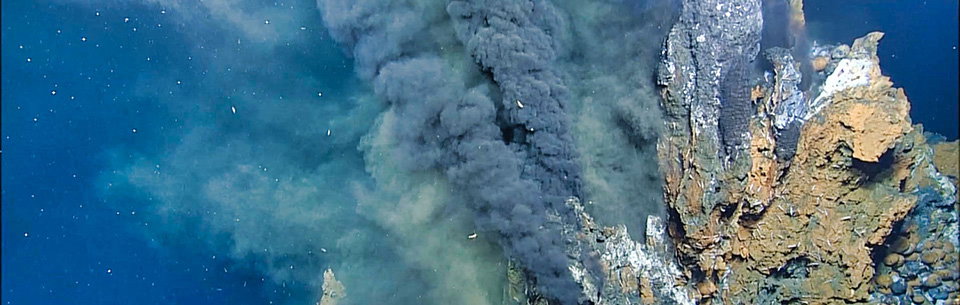
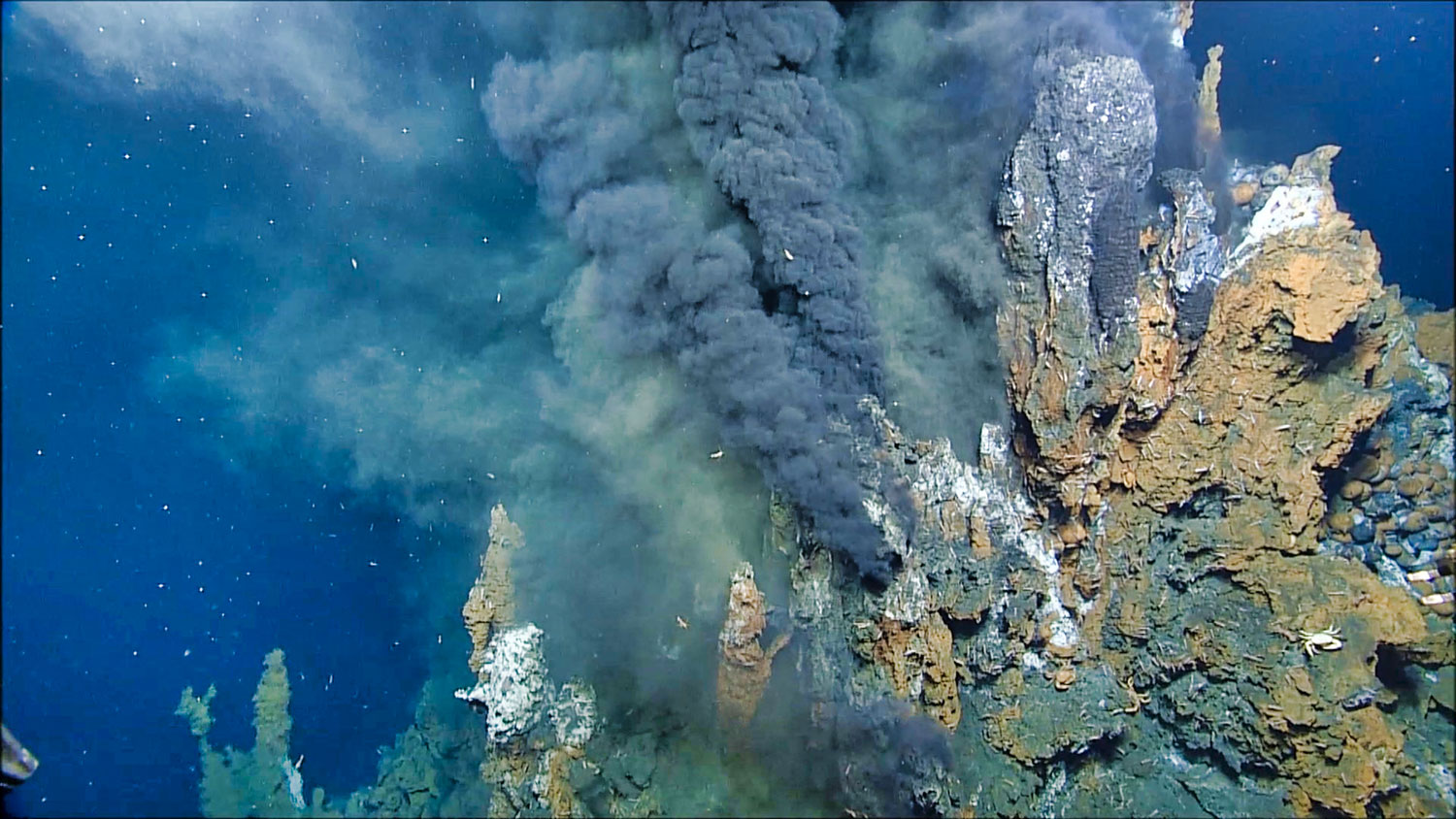
Even the deepest depths of the ocean have not escaped our utilization, even though man only reached those depths less than 70 years ago. Despite, and arguably because of, our limited understanding of the deep ocean, mankind has routinely viewed it as a fascinating, mysterious place that holds untold treasures. This perspective is reinforced by Scripture, with Psalm 107:23–24 exclaiming that “those who go down to the sea in ships, who do business on many waters; they have seen the works of Yahweh, and His wondrous deeds in the deep.” Yet even these sailors mentioned in Psalms only glimpsed a fraction of the “wondrous deeds” in the deep-sea world. For instance, it took until the 1970s for a research team to discover the hydrothermal vents of the Galápagos Ridge of the Pacific Ocean, further demonstrating just how incredibly true those verses are.2 Hydrothermal vents, normally found on the ocean floor along the boundaries of tectonic plates, are amazing examples of God’s creativity. These vents, also known as black smokers thanks to the dark plumes of chemicals rising from them, superheat the surrounding water. Not only are these hydrothermal vents known for their striking beauty, but also for the variety of marine life unique to these ecosystems.3 Because the water surrounding the vents can reach hundreds of degrees, in sharp contrast to the rest of the ocean floor, hydrothermal vent ecosystems are teeming with life that survives in remarkable conditions. From giant tube worms to yeti crabs and other unique species, this biome is a testimony of God’s ingenuity and expressiveness.4
Public domain, via USGS
However, beyond the beauty that God showcased for us with the hydrothermal vents, God also provided us with yet another resource from which to glean, especially in the realm of biotechnology. This scientific field of study closely aligns with God’s decree in Genesis 1:28 to subdue the earth: “God blessed them, and God said to them, ‘Be fruitful and multiply, and fill the earth, and subdue it; and have dominion over the fish of the sea and over the birds of the sky and over every living thing that creeps on the earth.” In one form of subduing the earth, man has used its resources to create a plethora of organic-based products. For example, scientists and inventors have copied biological systems for centuries in a process known as biomimetics or biomimicry. From Leonardo da Vinci’s drawings of flying machines modeled after birds to the Shinkansen bullet trains inspired by the shape of a kingfisher’s head, man has routinely used nature as a template for technological advancement.5 Along similar lines, humans have bred animals and plants in order to raise offspring more suited to human preferences, whether for consumption, labor, or mere aesthetics. However, with the rise of cellular biology in the 1900s, scientists were able to step beyond merely selectively breeding creatures or mimicking biological systems. Instead, scientists harnessed the ability to isolate specific biological components of an organism, including enzymes. These enzymes are especially important since they function as catalysts in biological processes, which makes them useful in numerous industries.6 While enzymes and other biological materials have been sourced from plants and animals around the world, the properties of the life in hydrothermal vent ecosystems are unique due to their ability to survive extreme temperatures. Thanks to the resilience of the organisms, both the enzymes and genes harvested from these creatures have been explored for a variety of applications, from cancer treatment to fuel stabilization. Such discoveries that have come from the deep ocean speak to the ingenuity of man and even more to the wonders that God has placed on the world for us to harness and utilize for our benefit.
Furthering Biotechnology Research Development
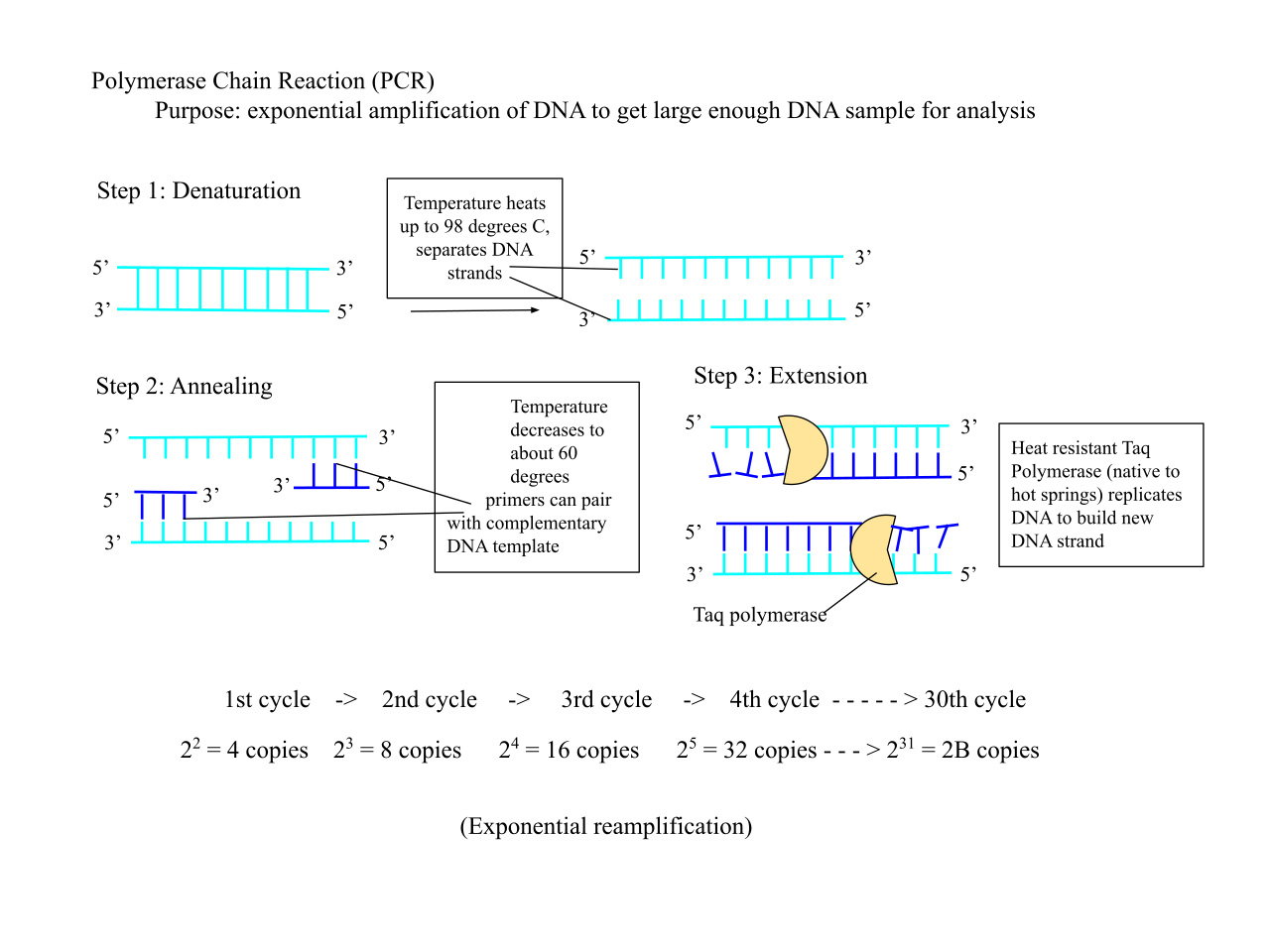
Currently, one of the primary applications for enzymes sourced from hydrothermal vents is their utilization in polymerase chain reactions, also known as PCRs. In a variety of research labs, PCRs are critical in the amplification of both DNA and cDNA.7 By amplifying the DNA, scientists are able to isolate a specific strand of DNA and produce enough copies for it to be analyzed effectively.8 Applications for this amplification process include forensics, medical diagnoses, and genetic research. During the PCR process, the DNA or cDNA undergoes thermocycling, during which the DNA is subjected to a variety of temperatures during three distinct phases: denaturation, annealing, and extension.9 First, during the denaturation phase, the double-stranded DNA is melted (denatured) into two separate single-stranded DNA strands. Next, the single-stranded DNA binds to the primers specially designed to amplify the DNA. Finally, during the extension (or elongation) phase, a new strand of DNA is synthesized. In order to accomplish the synthesis of new DNA, a DNA polymerase enzyme must be added to the reaction to catalyze the synthesis of new DNA.10 Further, this polymerase must be able to function under extreme heats. For example, examining the PCRs that I have typically conducted, the denaturation phase has usually been close to 98˚C (200˚F), the annealing phase cooling to 45˚–55˚C (113˚–131˚F), and the extension phase stabilizing at 72˚C (162˚F). While these temperatures would destroy a number of DNA polymerases, the research into thermophiles (organisms that love high temperatures) has resulted in the discovery of polymerases that can withstand such extreme heat.
Aphidhater, CC BY-SA 4.0, via Wikimedia Commons
One of the most common polymerases used in PCRs is Taq polymerase, which was sourced from Thermas aquaticus, first being isolated in 1976. While T. aquaticus did not come from hydrothermal vents, other PCR polymerases have been derived from those ecosystems. For example, Deep Vent DNA polymerase was originally sourced from a Pyrococcus species found at a hydrothermal vent 1.25 miles underwater. Not only is Deep Vent DNA polymerase able to survive in temperatures as high as 104˚C (219˚F), but it also has a much higher amplification rate than Taq does, along with better accuracy in its DNA replications.11 A similar enzyme, Vent DNA polymerase (NEB), sourced from Thermococcus litoralis, was also extracted from a hydrothermal vent.12 Furthermore, both KOD polymerase (sourced from Thermococcus kodakarensis) and Pfu DNA polymerase (sourced from Pyrococcus furiosus) came from thermal vents, though these were shallow-water, volcanic vents rather than deep-water ones.13
Further analysis of enzymes sourced from hydrothermal vents will likely continue to help advance biotechnology research.
Besides PCRs, other applications for enzymes sourced from hydrothermal vents are possible. For instance, a patent was applied for that utilizes the same Pyrococcus DNA polymerase from Deep Vent in a protein purification process.14 Further, enzymes from Thermococcus sp. 9°N,15 along with Globupain protease from Archaeoglobales, have also been studied, though clear applications have yet to be identified, though mass spectrometry sample preparation has been suggested for Globupain.16 While every enzyme studied may not have an immediate application, further analysis of enzymes sourced from hydrothermal vents will likely continue to help advance biotechnology research.
Advances in Industry
Besides applications in scientific research, another avenue for hydrothermal vent enzymes is in the development of fuel products. Since fuels must be stable under extreme temperatures, hydrothermal-sourced products have also been studied for usability in the fuel industry. One of the best products that has been developed is the bioethanol known as Fuelzyme, which is used to stabilize the production of fuel ethanol. As the designers emphasize, it is a “high performance, thermostable enzyme that is effective over an exceptionally wide temperature and pH range allowing ethanol producers greater operational flexibility.”17 Another product, Pyrolase, has been developed by the Verenium Corporation to assist in hydraulic fracturing. Also known as fracking, hydraulic fracturing is the process of cracking the earth in order to collect petroleum, natural gas, and brine.18 Derived from Thermotoga maritima, found in geothermically heated marine sediment, the Pyrolase fluid is not as harsh as other chemicals and is more compact, with one pound of it replacing 20 pounds of other chemicals.19
Other hydrothermal vent–sourced derivatives are thermophilic bacteria derived from Bacillus licheniformis and Bacillus horneckiae. These bacteria have the potential of recovering oil from polluted pipelines, industrial silos, and bilge tankers. Further, these bacteria also produce biosurfactants, which is a substance that reduces water tension and has numerous potential applications in the detergent, cosmeceutical, and pharmaceutical industries.20
Beyond currently available products, other industrial applications have been proposed, such as est-OKK, a recombinant protein, which has properties suitable for functioning as a detergent in the washing and laundry industry.21 As for GH9 cellulase, a specific industrial application has yet to be determined.22
Medical Developments
Beyond scientific research development and industrial applications, enzymes sourced from deep-sea hydrothermal vents are also being studied for medical applications. The most promising usage for some of these enzymes is in cancer treatment. For example, L-asparaginase sourced from Pyrococcus abyssi has the potential of helping treat lymphomas and leukemias, with this enzyme catalyzing the breakdown of L-asparagine, an amino acid that plays a critical part in the spread of cancer.23 Though not an enzyme, research into a benzoquinone chemical compound isolated from Geobacillus species E26324 shows the potential of triggering the apoptosis, or cell death, of tumor cells, thus potentially having the ability to treat cancer.25 Similar to the benzoquinone compound, ammonificin compounds produced by Thermovibrio ammonificans have also been demonstrated to induce cellular apoptosis, or cell death, thus potentially being used as another treatment for fighting cancerous growths.26 Clavatustide B and Clavatustide C, cyclodepsipeptides extracted from Xenograpsus testudinatus have similarly been found to inhibit cellular proliferation in a number of cancer cell lines.27 Each of these compounds provides researchers with another option to consider in the seemingly endless fight against cancer.
Each of these compounds provides researchers with another option to consider in the seemingly endless fight against cancer.
Besides cancer research, other potential products include Aciduliprofundum and Thermoactinoamide A, which have shown potential in antibacterial drug development.28 Further, the Streptomyces sp. WU20 metabolite has been studied for its potential as an antibiotic.29 While it is unclear if these products will reach the market, continued research is needed to determine how useful these products may be.
Though medical products sourced from hydrothermal vent organisms have yet to be marketable, cosmetics have been developed and are currently being sold. For example, Venuceane, sourced from the microbe Thermus thermophilus, is sold as “a powerful antioxidant that not only survives high temperatures but becomes more effective when exposed to heat—making it ideal for real-world skin protection and especially sunscreen.”30 Similarly, Abyssine, sold by Lucas Meyer Cosmetics, is sourced from the deep-sea excrement of the hydrothermal vent species Alteromonas macleodii. Abyssine is routinely used in sunscreen and other cosmetics since it “reduces irritation in sensitive skin, skin reactivity, and intolerance. It increases resistance to mechanical and sun aggressions, protects the skin against UV damage and reduces skin erythema caused by UV. It has a soothing effect and better healing of ‘microcuts’ caused by shaving and activates skin repair and restructuring processes.”31
The Beauty of God’s Provision
The enzymes and chemical compounds discussed in this article represent a small sampling of the resource potential that can be found in the deep ocean. Since studying the deep ocean is challenging, scientists have only just begun to explore the vast number of organisms and chemicals that await. Of course, every avenue pursued will not necessarily be beneficial to mankind. However, the more that industrial scientists explore the deep sea, the more they will discover fascinating applications for these resources. It is unfortunate that this progress, whether in the deep sea or elsewhere, is clouded by environmentalist fears. While some of these concerns may be understandable, the power of human ingenuity has the ability to overcome these obstacles.
Though humans have been gifted with intelligence that outshines any creature on earth, we are a mere shadow of our Creator.
And even though human ingenuity can be remarkable, our intelligence pales in comparison to our Creator, who not only spoke mankind into existence but also all life on earth. When we think of how many products we have developed from the deep ocean and the entire world and how many more products are still out there to discover, it is impossible not to think about how much more amazing our God is. As God Himself declares in Isaiah 55:9, “For as the heavens are higher than the earth, so are My ways higher than your ways and My thoughts than your thoughts.” Though humans have been gifted with intelligence that outshines any creature on earth, we are a mere shadow of our Creator. Thus, when we look at the world around us and think of the incredible discoveries mankind has made, we should remember to thank God for not only providing us with the ability to innovate, but also providing us with a diverse and intricate world for us to explore and discover, one hydrothermal vent at a time.
Answers in Depth
2026 Volume 21

Answers in Depth explores the biblical worldview in addressing modern scientific research, history, current events, popular media, theology, and much more.
Browse VolumeFootnotes
- Turpin, Simon, “Sounding the Alarm on Climate Alarmists,” Answer in Genesis, October 1, 2022, https://answersingenesis.org/environmental-science/climate-change/sounding-alarm-climate-alarmists/.
- Corliss, John B., and Robert D. Ballard, “Oases of Life in the Cold Abyss,” National Geographic 152 (1977): 440–453.
- NOAA Ocean Exploration, “Hydrothermal Vents,” Factsheet, accessed August 30, 2026, https://oceanexplorer.noaa.gov/wp-content/uploads/2022/10/hydrothermal-vents-fact-sheet.pdf.
- Francis, Joe, “Deep-Sea Vents—Life’s Toxic Sanctuary,” last featured April 7, 2013, Answers in Genesis, https://answersingenesis.org/biology/microbiology/deep-sea-vents-lifes-toxic-sanctuary/.
- Museo Leonardiano Vinci, “Study of a Beating Wing,” accessed September 4, 2026, https://museoleonardiano.it/en/opera/study-of-a-beating-wing/; Skipper Chong Wong, “Looking Deeper into Biomimicry: How Nature Inspires Design,” Medium, November 30, 2017, https://medium.com/design-voices/looking-deeper-into-biomimicry-how-nature-inspires-design-55c6f881241d.
- Schmid, A., J. Dordick, B. Hauer, A. Kiener, M. Wubbolts, and B. Witholt, “Industrial Biocatalysis Today and Tomorrow,” Nature 409 (2001): 258–268, https://doi.org/10.1038/35051736.
- Complementary DNA (cDNA) is DNA that has been reverse transcribed from an RNA template strand.
- Mullis, K., F. Faloona, S. Scharf, R. Saiki, G. Horn, and H. Erlich, “Specific Enzymatic Amplification of DNA In Vitro: The Polymerase Chain Reaction,” Cold Spring Harbor Symposium on Quantitative Biology 51, no. 1 (1986): 263–73, https://doi.org/10.1101/sqb.1986.051.01.032.
- Markham, A. F., “The Polymerase Chain Reaction: A Tool for Molecular Medicine,” BMJ 306, no. 6876 (1993): 441–446, https://doi.org/10.1136/bmj.306.6875.441.
- Markham, “The Polymerase Chain Reaction,” 441–446.
- Hikida, Yasushi, Michiko Kimoto, Ichiro Hirao, and Shigeyuki Yokoyama, “Crystal Structure of Deep Vent DNA Polymerase,” Biochemical and Biophysical Research Communications 483, no. 1 (2017): 52–57, https://doi.org/10.1016/j.bbrc.2017.01.007; New England Biolabs, “Deep Vent® DNA Polymerase,” PCR, qPCR & Amplification Technologies, accessed September 15, 2026, https://www.neb.com/en-us/products/m0258-deep-vent-dna-polymerase.
- New England Biolabs, “Vent® (exo-) DNA Polymerase,” PCR, qPCR & Amplification Technologies, accessed September 15, 2026, https://www.neb.com/en-us/products/m0257-vent-exo-dna-polymerase.
- Chen, Leheng, and Dawei Fu, “Enhanced Performance of Thermococcus kodakarensis KOD1 Polymerase in PCR Via Fusion to Sulfolobus tokodaii Sto7d,” Protein Expression and Purification 236 (2025): https://doi.org/10.1016/j.pep.2025.106809; Amir Ghasemi, Ali Hatef Salmanian, Nourkhoda Sadeghifard, Amir Ahmad Salarian, and Mohammad Khalifeh Gholi, “Cloning, Expression and Purification of Pwo Polymerase from Pyrococcus woesei,” Iranian Journal of Microbiology 3, no. 3 (2011): 118–122, https://pmc.ncbi.nlm.nih.gov/articles/PMC3279813/.
- Comb, Donald G., Francine B. Perler, William E. Jack, Ming-Qun Xu, Robert A. Hodges, and Christopher J. Noren et al., “Modified Proteins Comprising Controllable Intervening Protein Sequences or Their Elements Methods of Producing Same and Methods for Purification of a Target Protein Comprised by a Modified Protein,” US Patent 5,834,247, filed March 5, 1997.
- Note: The Thermococcus species does not have a formal scientific classification since it has not been studied enough in order to classify it, instead primarily being studied for its medical applications. Thus, it has a temporary, provisional name of “9°N” until it is fully classified.
- Greenough, Lucia, Julie F. Menin, Nirav S. Desai, Zvi Kelman, and Andrew F. Gardner, “Characterization of Family D DNA Polymerase from Thermococcus sp. 9°N,” Extremophiles 18 (2014): 653–664, https://doi.org/10.1007/s00792-014-0646-9; Victoria Røyseth, Brianna M. Hurysz, Anna-Karina Kaczorowska, Sebastian Dorawa et al., “Activation Mechanism and Activity of Globupain, a Thermostable C11 Protease from the Arctic Mid-Ocean Ridge Hydrothermal System,” Frontiers in Microbiology 14 (2023): 1199085, https://doi.org/10.3389/fmicb.2023.1199085; Victoria Røyseth, Brianna M. Hurysz, Hasan Arsın, Julia M. Vazquez, et al., “Substrate Profiling of Marine-Derived Thermotolerant Cysteine Protease Reveals Unique Cleavage Preferences for Industrial Applications,” Scientific Reports 15 (2025): 26481, https://doi.org/10.1038/s41598-025-11635-1.
- “Fuelzyme Alpha-amylase,” Products/Applications, Synthetic Biology Project, archived February 17, 2026, at https://web.archive.org/web/20260217135205/https://www.synbioproject.tech/cpi/applications/fuelzyme-alpha-amylase/.
- Shafiq, Mian Umer, Shabeeb Alajmei, Murtada Saleh Aljawad, Lei Wang, and Ashtiwi Bahri, “A Comprehensive Review of Proppant Selection in Unconventional Reservoirs,” ACS Omega 10, no. 13 (2025): 13046–13059, https://doi.org/10.1021/acsomega.4c09936.
- “Pyrolase® Cellulase Enzyme Breaker as Biodegradable Replacement for Corrosive Acids and Oxidizers in Hydraulic Fracturing Operations,” Verenium Corporation, December 29, 2011, https://cs.gordon.edu/courses/organic/golum/usepa/pdf%20nominations%202012/Verenium%20Corporation%20(12).pdf, 2.
- Zammuto, Vincenzo, Antonio Spanò, Marco Sebastiano Nicolò, Emanuela Grillo, Maria Teresa Caccamo, and Salvatore Magazù et al., “Thermophilic Hydrocarbon-Utilizing Bacilli from Marine Shallow Hydrothermal Vents as Producers of Biosurfactants,” Journal of Marine Science and Engineering 10, no. 8 (2022): 1077, https://doi.org/10.3390/jmse10081077.
- Yang, Xinwei, Lianzuan Wu, Ying Xu, Chongrong Ke, Fangfang Hu, and Xiang Xiao et al., “Identification and Characterization of a Novel Alkalistable and Salt-Tolerant Esterase from the Deep-Sea Hydrothermal Vent of the East Pacific Rise,” Microbiologyopen 7, no. 5 (2018): e00601, https://doi.org/10.1002/mbo3.601.
- Stepnov, Anton A., Lasse Fredriksen, Ida H. Steen, Runar Stokke, and Vincent G. H. Eijsink, “Identification and Characterization of a Hyperthermophilic GH9 Cellulase from the Arctic Mid-Ocean Ridge Vent Field,” PLoS One 14, no. 9 (2019): e0222216, https://doi.org/10.1371/journal.pone.0222216.
- Nadeem, M. S., J. A. Khan, M. A. Al-Ghamdi, M. I. Khan, and M. A. Zeyadi, “Studies on the Recombinant Production and Anticancer Activity of Thermostable L-Asparaginase I from Pyrococcus abyssi,” Brazilian Journal of Biology 82 (2021): e244735, https://doi.org/10.1590/1519-6984.244735.
- Note: As with Thermococcus, this Geobacillus species also only has the provisional name of “E263” until it is fully classified.
- Xu, Chenxi, Xumei Sun, Min Jin, and Xiaobo Zhang, “A Novel Benzoquinone Compound Isolated from Deep-Sea Hydrothermal Vent Triggers Apoptosis of Tumor Cells,” Marine Drugs 15, no. 7 (2017): 200, https://doi.org/10.3390/md15070200.
- Andrianasolo, Eric H., Liti Haramaty, Richard Rosario-Passapera, Costantino Vetriani, Paul Falkowski, and Eileen White et al., “Ammonificins C and D, Hydroxyethylamine Chromene Derivatives from a Cultured Marine Hydrothermal Vent Bacterium, Thermovibrio ammonificans,” Marine Drugs 10, no. 10 (2012): 2300–2311, https://doi.org/10.3390/md10102300.
- Jiang, Wie, Panpan Ye, Chen-Tung Arthur Chen, Kuiwu Wang, Pengyuan Liu, and Shan He et al., “Two Novel Hepatocellular Carcinoma Cycle Inhibitory Cyclodepsipeptides from a Hydrothermal Vent Crab-Associated Fungus Aspergillus clavatus C2WU,” Marine Drugs 11, no. 12 (2013): 4761–4772, https://doi.org/10.3390/md11124761; Panpan Ye, Ling Shen, Wei Jiang, Ying Ye, Chen-Tung Arthur Chen, and Xiaodan Wu et al., “Zn-Driven Discovery of a Hydrothermal Vent Fungal Metabolite Clavatustide C, and an Experimental Study of the Anti-Cancer Mechanism of Clavatustide B,” Marine Drugs 12, no. 6 (2014): 3203–3217, https://doi.org/10.3390/md12063203.
- Vanderbilt University, “Life’s Extremists May Be an Untapped Source of Antibacterial Drugs,” Biology, Phys.org, November 21, 2014, https://phys.org/news/2014-11-life-extremists-untapped-source-antibacterial.html; Roberta Teta, Viggó Thór Marteinsson, Arlette Longeon, Alexandra M. Klonowski, René Groben, and Marie-Lise Bourguet-Kondracki et al., “Thermoactinoamide A, an Antibiotic Lipophilic Cyclopeptide from the Icelandic Thermophilic Bacterium Thermoactinomyces vulgaris,” Journal of Natural Products 80, no. 9 (2017): 2530–2535, https://doi.org/10.1021/acs.jnatprod.7b00560.
- Shi, Yutong, Chengqian Pan, Bibi Nazia Auckloo, Xuegang Chen, Chen-Tung Arthur Chen, and Kuiwu Wang et al., “Stress-Driven Discovery of a Cryptic Antibiotic Produced by Streptomyces sp. WU20 from Kueishantao Hydrothermal Vent with an Integrated Metabolomics Strategy,” Applied Microbiology Biotechnology 101 (2017): 1395–1408, https://doi.org/10.1007/s00253-016-7823-y.
- Segundo, Irene San, “Meet Venuceane: The Powerful Antioxidant You Didn’t Know You Needed,” Revoderm Pharma, accessed August 20, 2026, https://www.revoderm.com/blogs/blog/meet-venuceane-the-powerful-antioxidant-you-didnt-know-you-needed.
- “Abyssine™ PF,” Personal Care & Cosmetics, Ultrus Prospector, accessed September 9, 2026, https://www.ulprospector.com/en/na/PersonalCare/Detail/4501/748410/Abyssine-PF.




Support the creation/gospel message by donating or getting involved!

Answers in Genesis is an apologetics ministry, dedicated to helping Christians defend their faith and proclaim the good news of Jesus Christ.
- Customer Service 800.778.3390
- Available Monday–Friday | 9 AM–5 PM ET
- © 2026 Answers in Genesis