

Natural Selection
Natural Selection Is Not Evolution!
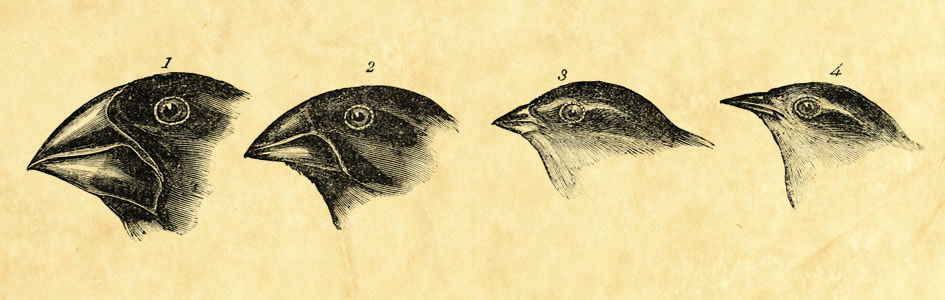
The supposed vehicles of evolution are mutations, natural selection, and other mechanisms that—when combined with that pixie dust of time—allegedly led to the development of all life forms present today. However, natural selection merely redistributes or reduces preexisting genetic information, and mutations often corrupt the information.
Natural Selection and Creationists
The creationist view of natural selection is supported biblically and scientifically. Natural selection is a God-ordained process that allows organisms to survive. It is an observable reality that occurs in the present and takes advantage of the variations within the kinds and works to preserve the genetic viability of the kinds.
Natural Selection and New Information
Natural selection cannot generate brand new genetic information. It simply doesn’t work that way. Instead, it filters information that already exists. The general theory of evolution is the idea that single-celled organisms gained new genetic information over millions and billions of years, and eventually arrived at “higher life-forms” such as man.
Adaptation in Plants
If living things such as plants have been observed to adapt to their environment—isn’t that evolution? Adaptation of plants does not prove evolution.
Does Natural Selection Prove Evolution?
Distinguishing natural selection from Darwinian evolution (the latter combines natural selection with the idea that all life has an ancestor in common) is one of the primary challenges modern creationists face in the origins debate. Experimental confirmation of natural selection is interpreted as proof of Darwin’s theory.
Articles About Natural Selection
-
Technical Research PaperThe Beauty of the Peacock Tail and the Problems with the Theory of Sexual SelectionAug. 1, 2001, pp. 94–102
According to the theory of sexual selection, the peacock tail has gradually evolved because the peahen selects beautiful males for mating.

Support the creation/gospel message by donating or getting involved!

Answers in Genesis is an apologetics ministry, dedicated to helping Christians defend their faith and proclaim the good news of Jesus Christ.
- Customer Service 800.778.3390
- Available Monday–Friday | 9 AM–5 PM ET
- © 2026 Answers in Genesis