
Who Was ‘Nutcracker Man’?
on
December 1, 1990
Originally published in Creation 13, no 1 (December 1990): 22.
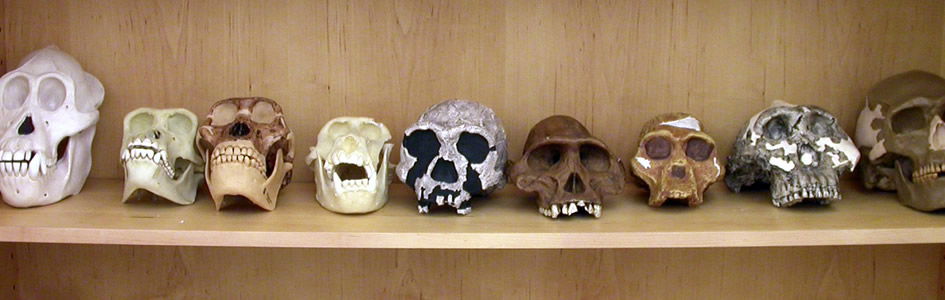
‘Nutcracker man’ was the popular name (also East Africa man) given to a skull found by Louis Leakey, father of well-known fossil-anthropologist Richard Leakey, in East Africa in 1959.
The name reflected the extremely powerful jaw muscles and large molar teeth it appeared to have had. The technical name was Zinjanthropus boisei—a new genus as well as species was described.
The National Geographic Society had sponsored Leakey’s expedition, and gave great publicity to this find. This was man’s ancestor, we were told. Drawings in magazine articles filled in the missing information with artists’ imagination. ‘Zinj’ was drawn with ape-like features, yet with a distinctly intelligent ‘look’ in his eyes, lots of hair covering the body, walking upright and holding a club or other tools. Domestic and social scenes appeared showing ‘Nutcracker man’ with his family and other tribesmen. This helped convince people that human evolution was a ‘fact’.
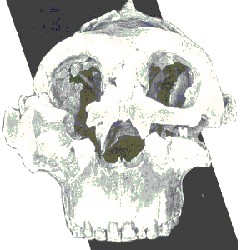 And today? Today we are told that
this specimen has had to be renamed. It
is believed to belong to the genus Australopithecus,
and is not promoted as
man’s ancestor any more.
The australopithecines
were a unique, extinct
group of ape-like creatures.
The most famous
representative is ‘Lucy’.1
More and more evolutionists,
led by those who
have subjected the bones
to careful analytical
measurements, are now
convinced that these creatures
were not on the line
of man’s ancestry, but
were as far apart from
both modern man and the
great apes as these two
groups are from each
other.2
And today? Today we are told that
this specimen has had to be renamed. It
is believed to belong to the genus Australopithecus,
and is not promoted as
man’s ancestor any more.
The australopithecines
were a unique, extinct
group of ape-like creatures.
The most famous
representative is ‘Lucy’.1
More and more evolutionists,
led by those who
have subjected the bones
to careful analytical
measurements, are now
convinced that these creatures
were not on the line
of man’s ancestry, but
were as far apart from
both modern man and the
great apes as these two
groups are from each
other.2
So-called ‘Nutcracker man’ was simply one of the more robust varieties of these ’southern apes’ (this is the meaning of the word ‘Australopithecus’). Any tools found in the vicinity were certainly not used by this creature, though they may have been used on it.
References
- ‘Lucy isn’t the “missing link”!’ Creation magazine, Vol. 12 No. 3, June-August 1990, p. 32.
- The Revised Quote Book, Creation Science Foundation, Brisbane (Australia), 1990, Quote No. 67, p. 14.

Support the creation/gospel message by donating or getting involved!

Answers in Genesis is an apologetics ministry, dedicated to helping Christians defend their faith and proclaim the good news of Jesus Christ.
- Customer Service 800.778.3390
- Available Monday–Friday | 9 AM–5 PM ET
- © 2026 Answers in Genesis