


Gemstones—From Eden to Eternity
Inside the earth, a rainbow of gems teaches us about God’s judgment, beauty, and grace.
For my third birthday, my grandparents gave me a tiny gold ring with a small aquamarine, the March birthstone.
The ring slipped loosely around my finger. After a minute, my parents removed it and nestled it back into its case for safekeeping. I think I wore that ring twice in my childhood before my finger outgrew it.
For 36 years, my unwearable ring rested in the jewelry box on my dresser. Then my grandmother died. As I processed my grief, looking to memories to hold onto, I spotted that tiny birthstone ring I couldn’t wear. And I decided I wanted to wear it, a piece of love from my grandmother.
Wandering into the jewelry store carrying my simple ring, I found myself drawn to the cases of glittering gems set in intricate designs of rings, bracelets, and necklaces. Filigrees of gold adorning fiery rubies, diamonds crowning regal sapphires, bands of rose gold twisting around verdant emeralds—everything was beautiful beyond my imagination.
On my finger, I slid a ring adorned with four large pearls set in strands of diamonds on gold bands. It rested lightly on my hand like an elegant bubble bath.
“Someone once told me that the gates of heaven are pearl because they’re the only stones born from suffering,” the jeweler said.
Tears stung my eyes. On my finger rested a symbol of my future home with the Lord, a picture of grace.
Pearls form when a particle of sand or debris invades an oyster’s shell. In response, the oyster coats the irritant with a substance called nacre, which hardens into the milky smooth orbs we wear in our jewelry.
But what about the other luminous gems in the cases around me? Stones come from the earth—I knew that much. But did gemstones exist in the original creation or only after the global flood? With each morganite, tanzanite, chalcedony, and topaz, a new question rose in my mind of their connection with Scriptural significance. Why are earthly stones representatives of the 12 tribes of Israel? Why do they adorn the walls of the New Jerusalem?
The questions lingered long after I left my ring for goldsmiths to expand. My search for answers led me to Dr. Andrew Snelling, a creationist geologist and longtime contributor to Answers magazine. “None of the Bible commentaries are answering all my questions,” I told him.
He replied, “That’s because Bible commentaries aren’t written by geologists!”
As it turns out, sometimes you need a geologist to teach you some theology.
—Laura Allnutt
In the Beginning, There Were Gems
Dr. Andrew Snelling
Genesis describes the location of Eden in a land with “onyx stones” (Genesis 2:12). In some parts of the Middle East and every other continent today, some Precambrian (creation week) crystalline basement foundation rocks are exposed. Those creation-week foundation rocks contain gold and onyx, which were later exposed by the retreating flood waters that eroded the rock layers deposited by the flood. We still mine many ores and minerals in creation week rocks, including most of the world’s iron ores and much of its gold.
In Ezekiel’s prophecy, God compares the king of Tyre to the “anointed guardian cherub,” evidently a reference to Satan before his proud downfall and temptation of Eve:
Thus says the Lord God: “You were in Eden, the garden of God; every precious stone was your covering, sardius [ruby], topaz, and diamond, beryl, onyx and jasper, sapphire [Hebrew: lapis lazuli], emerald, and carbuncle [garnet]; and crafted in gold were your settings and your engravings.” (Ezekiel 28:13)
Since the anointed cherub was covered with these gemstones, and he was in Eden before he rebelled against God (Ezekiel 28:15), we can be sure that these gemstones existed before the flood.
But what importance might gems have with God? He created plants, water, and air to sustain life. So why did he make gemstone crystals and other non-precious rocks?
First, God is beautiful (Psalm 27:4). Since beauty is one of his attributes, we shouldn’t be surprised to see it displayed in creation.
Second, the crystal shapes and colors of gems display his genius in design and engineering because they reflect the internal configurations of the elemental atoms he used to construct them.
Third, he created the gems, as well as other non-precious rocks, for their practical uses for man to exercise his God-given dominion mandate. For example, diamonds can bedeck rings and crowns, but they can also cut tough metals and rocks because they are the hardest natural mineral. Rubies can focus light to produce lasers. Quartz crystals can keep time ticking accurately in watches and clocks. Non-precious rocks also have a plethora of uses: building materials, decorative stones, and ingredients for products like steel and drywall.
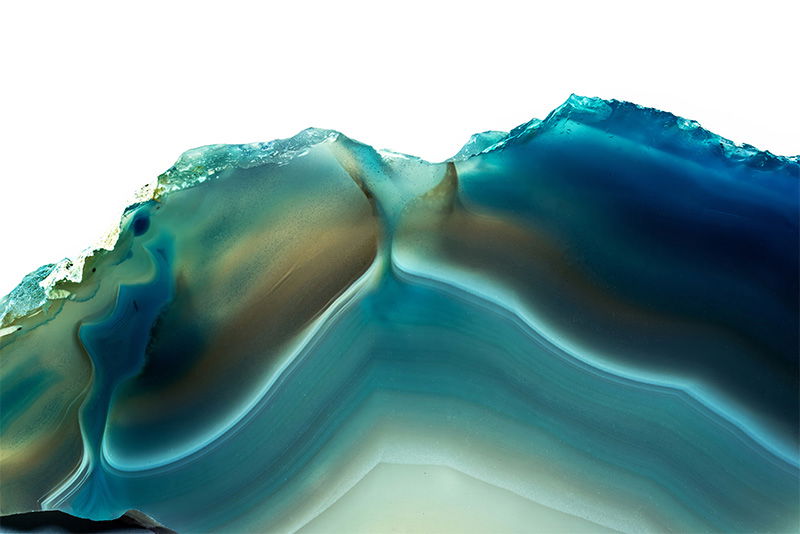
Cross section of a large agate crystal
A Rainbow in the Sky, a Rainbow in the Earth
After Adam and Eve sinned, their descendants became increasingly wicked. Some 1,650 years later, God judged the earth and man with a global flood.
As the flood began, the fountains of the deep broke open (Genesis 7:11), eroding the rocks in the crystalline foundation of the pre-flood supercontinent.
As the pre-flood supercontinent was ripped apart, the rapidly moving tectonic plates collided. Oceanic plates were pushed underneath the continental plates (a process called subduction). Subduction still happens in some places today, though it occurs at a snail’s pace.
Where continental plates collided with other continental plates, the sedimentary layers on those plates were buckled and thrust up as high mountains such as the Himalaya, where the Indian plate collided with the Eurasian plate.
Within these collision zones, the intense pressure and heat metamorphosed and melted sedimentary layers, producing the conditions for many of today’s gemstone deposits. Out of this crucible of heated and melted rocks came further works of beauty.
To human minds, it might logically follow that as judgment for mankind’s sin, God would rid the earth of beauty and leave sinful man to wallow in squalor. But he didn’t. The flood resulted in even more occurrences of gemstones than before. Like a mirror of God’s covenant in the sky, he set rainbows of gems in the earth—a picture of his grace.
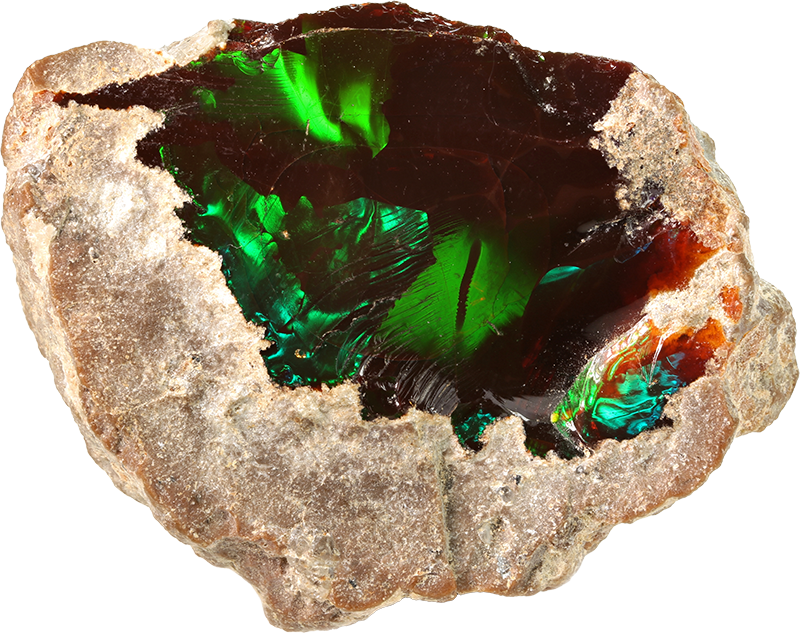
An opal, found in Ethiopia
The High Priest’s Breastplate
When God gave the law to Moses, he told him to put 12 precious stones in the breastplate of the high priest:
“You shall set in it four rows of stones. A row of sardius [ruby], topaz, and carbuncle [garnet] shall be the first row; and the second row an emerald, a sapphire [Hebrew: lapis lazuli], and a diamond; and the third row a jacinth [zircon], an agate, and an amethyst; and the fourth row a beryl, an onyx, and a jasper. They shall be set in gold filigree.” (Exodus 28:17–20)
These 12 stones represented the 12 tribes of Israel—a precious and treasured nation in God’s redemptive plan (Deuteronomy 14:2; Isaiah 43:4). Commentator F. B. Meyer explains,
Among the garments of the high priest the breastplate was what the mercy-seat was amid the furniture of the sanctuary. The two shone with glory: in the case of the [Shekinah] it was the direct beam, and in the case of the breastplate, reflected. Whenever its wearer stood before the mercy-seat, the whole of the stones of his breastplate flashed with a glory and beauty that never shone on sea or shore.1
These 12 stones represented the 12 tribes of Israel—a precious and treasured nation in God’s redemptive plan.
The high priest’s breastplate in the old sacrificial system symbolized the precious nature of God’s people to himself.
Under the new covenant, people have access to God by grace through faith because of Jesus’ redemptive work on the cross. Jesus, our High Priest, has made his followers “a royal priesthood, a holy nation, a people for his own possession, that you may proclaim the excellencies of him who called you out of darkness into his marvelous light” (1 Peter 2:9).
The Shekinah glory that once shined onto and through the stones of the high priest’s breastplate now indwells and shines through all believers.
Heaven and the New Jerusalem
In the description of the New Jerusalem, Revelation describes,
The foundations of the wall of the city were adorned with every kind of jewel. The first was jasper, the second sapphire [Greek: lapis lazuli], the third agate, the fourth emerald, the fifth onyx, the sixth carnelian [ruby], the seventh chrysotile, the eighth beryl, the ninth topaz, the tenth chrysoprase, the eleventh jacinth [zircon], the twelfth amethyst. (Revelation 21:19–20)
These gemstones were present in the perfect world before the fall, and they are included in the description of the New Jerusalem. Thus, these gemstones on the high priest’s breastplate serve as both a reminder and foretaste of these realities.
Scripture is studded with gemstones from Genesis to Revelation. Perhaps no passage stands out more than Exodus 28, which lists the gems God told Moses to include in the high priest’s breastplate. But God gave this instruction shortly before the Israelites’ 40 years of wilderness wandering, and these gems are found around the globe. How did Israel, a slave nation for 400 years in Egypt, acquire this array of gemstones?
In Genesis 15:13–14, God told Abram that his descendants would be sojourners and slaves, but that they would “come out with great possessions.” God fulfilled that promise when he told the Israelites to ask their Egyptian neighbors for silver and gold jewelry when Pharoah let them go (Exodus 11:2). Most likely, the breastplate stones came from the jewelry of Egypt (Exodus 12:35–36), donated to the tabernacle from Israelites with willing hearts (Exodus 35:22–27).
Though many gems are found in several places, here’s where we commonly mine the breastplate gemstones today.
-
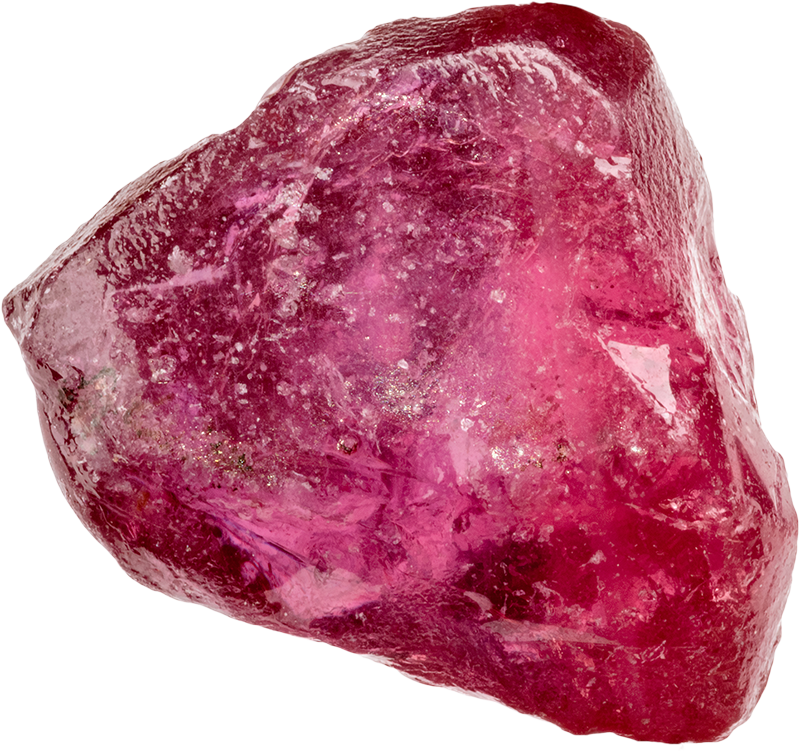
Sardius (Ruby)
Myanmar Rubies and sapphires are both forms of corundum. Their only difference is color. Thanks to trace amounts of chromium, many rubies glow under ultraviolet light. -
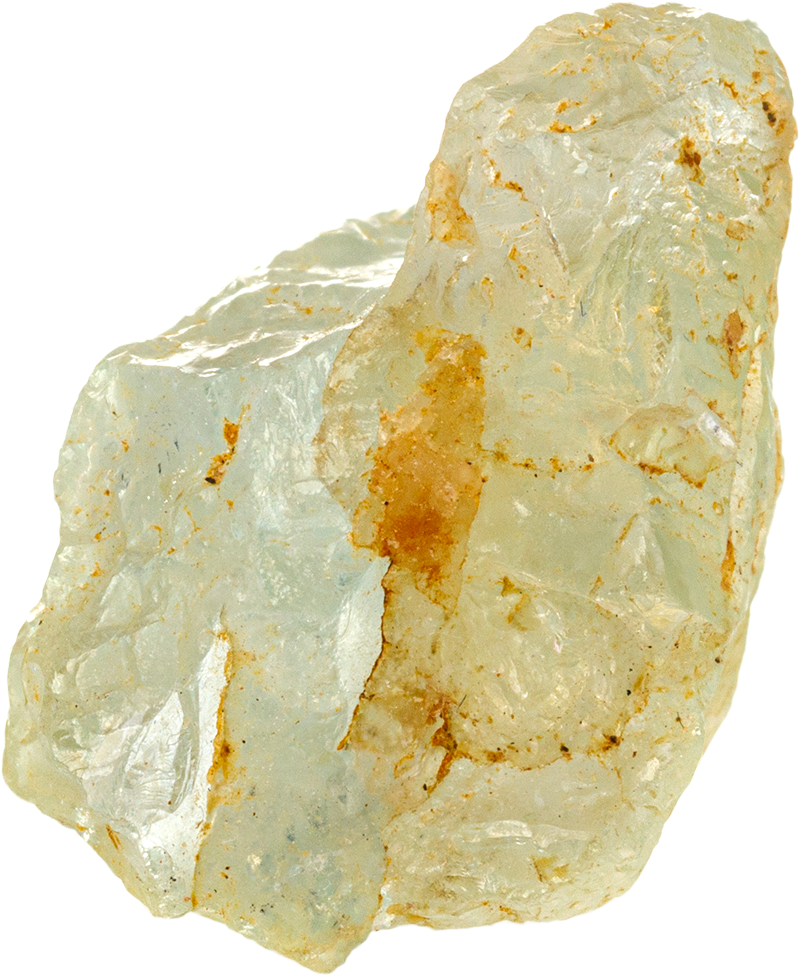
Topaz
Brazil
Natural topaz can be colorless, yellow, orange, pink, red, purple, or green. Many on the market have been heated to enhance a vibrant blue hue. -
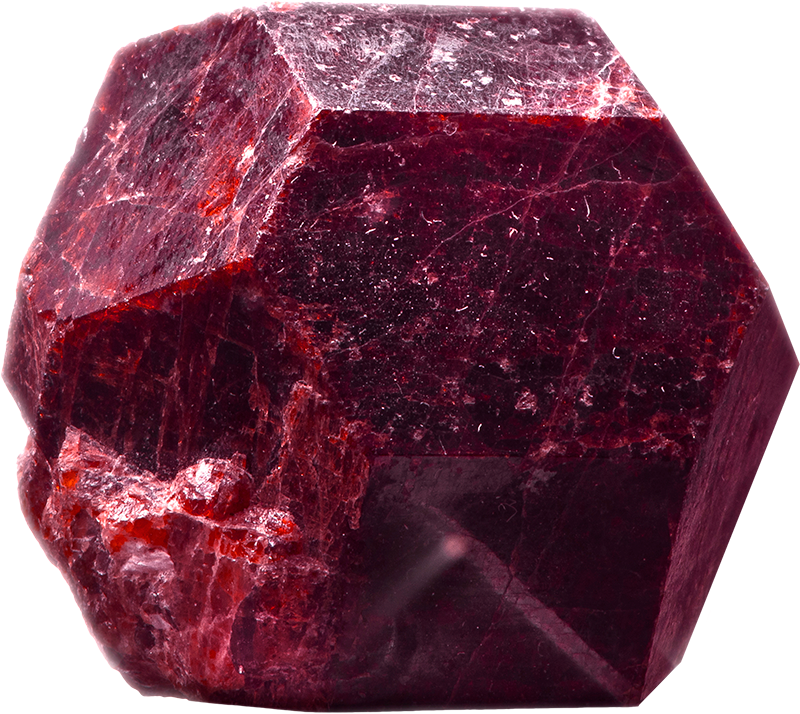
Carbbuncle (Garnet)
Worldwide
Garnet occurs in almost every color, but rarely blue. Its name comes from the Latin word for pomegranate, whose seeds look like clusters of garnets. -
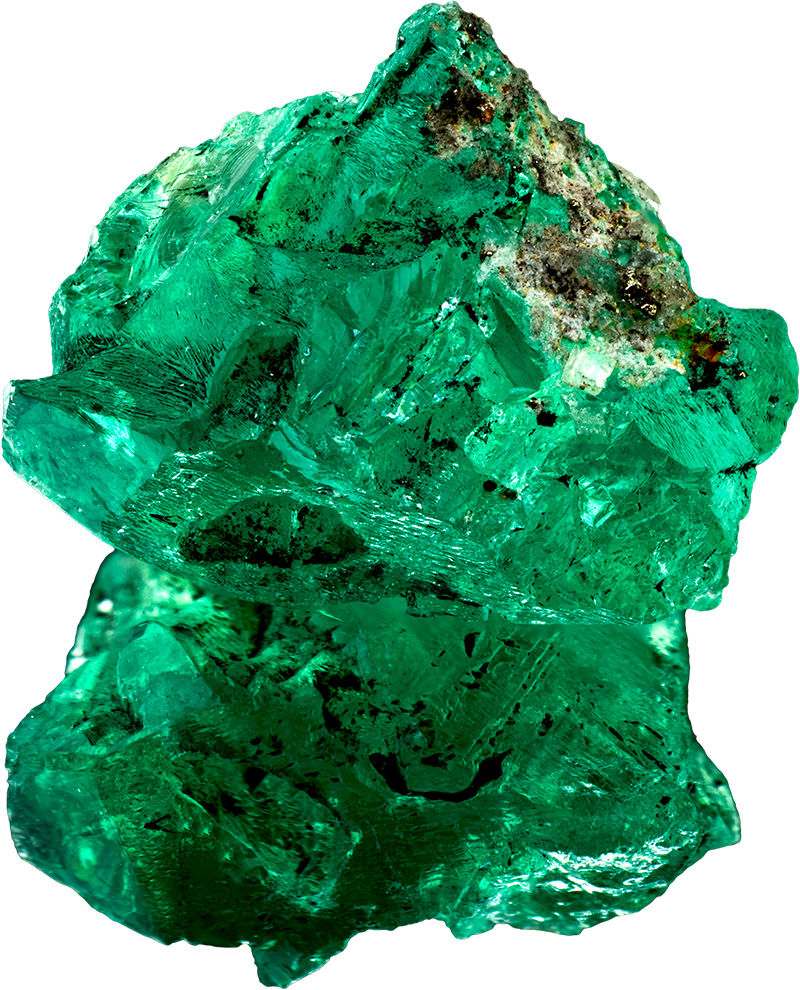
Emerald
Columbia
Unlike pure diamonds, emeralds have natural flaws called inclusions, which make them brittle. They’re often treated with oils to fill their cracks and give them luster. -
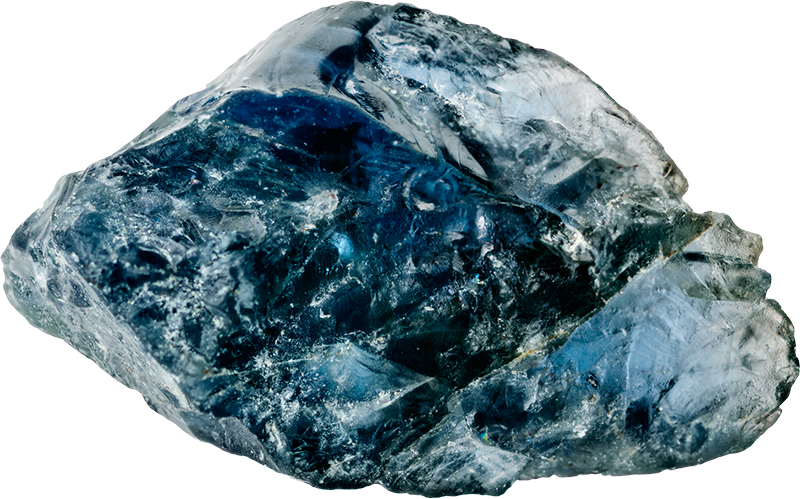
Sapphire (Lapis Lazuli)
Afghanistan
Renaissance artists ground it to make the most vibrant and expensive paint of the time: ultramarine. They typically used it to paint the robes of the Virgin Mary. -
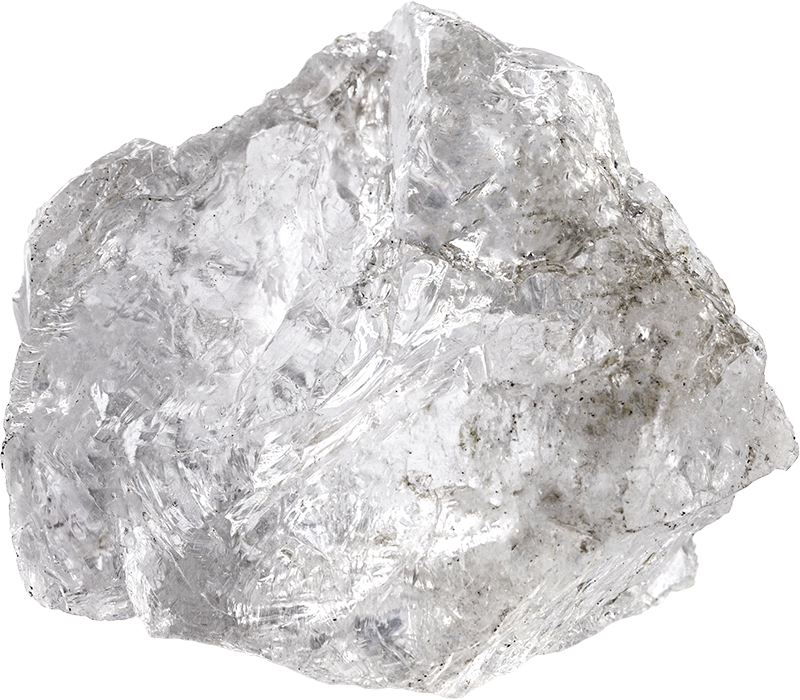
Diamond
South Africa
As pure carbon, it’s one of the simplest minerals on earth but also the hardest. Though commonly a white gem, it can occur in many colors, including black. -
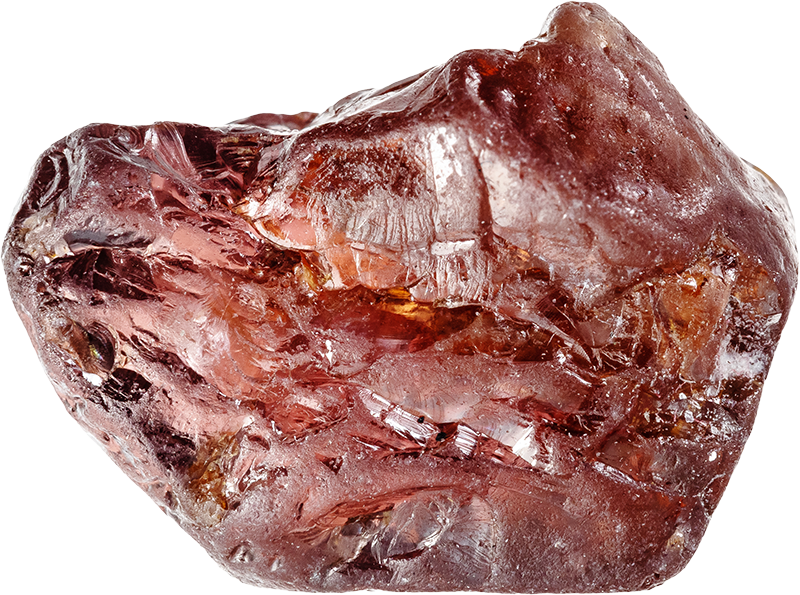
Jacinth (Hyacinth)
Sri Lanka
This gem variety of zircon is reddish brown. Like the flower, its name comes from the Greek god Hyancinthus, who was known and loved for his beauty. -
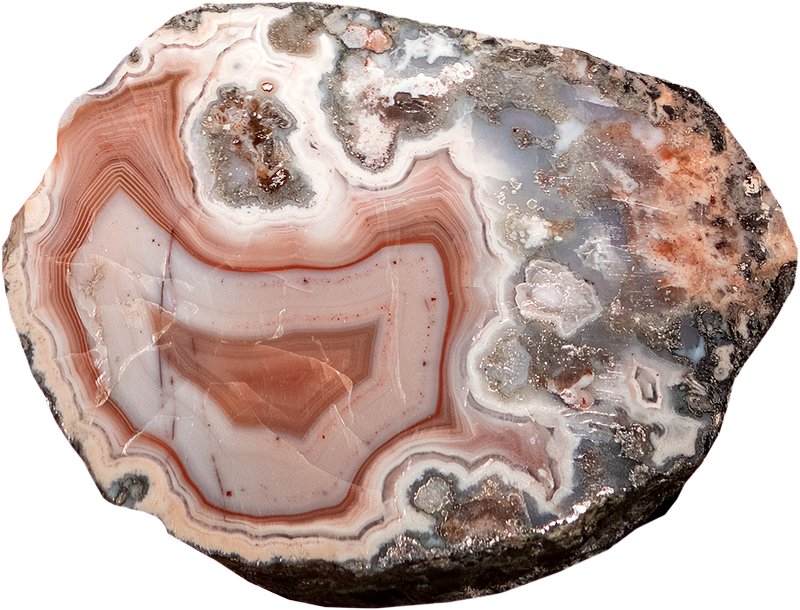
Agate
Worldwide
A variety of micro-crystalline quartz, every agate is unique, swirled or striped in any color. They were named after the Achates River, where they were discovered by ancient Greeks. -
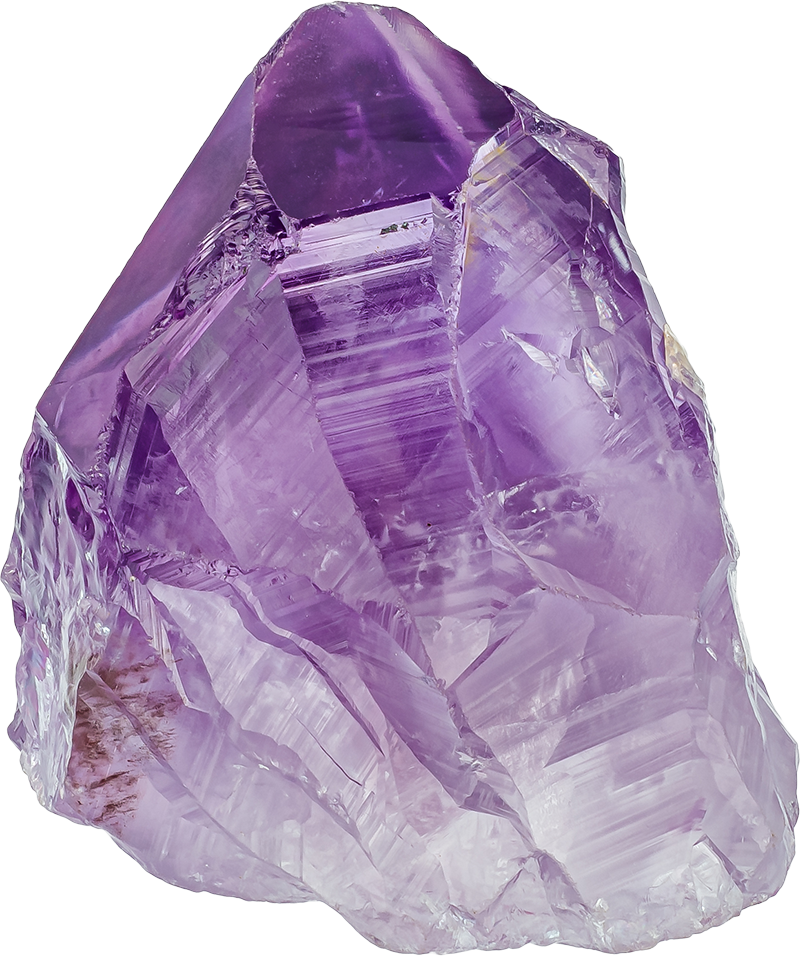
Amethyst
Brazil
A variety of quartz, amethysts appear purple thanks to iron oxide and natural radiation inside the earth. Their pointed crystals typically grow inside geodes. -
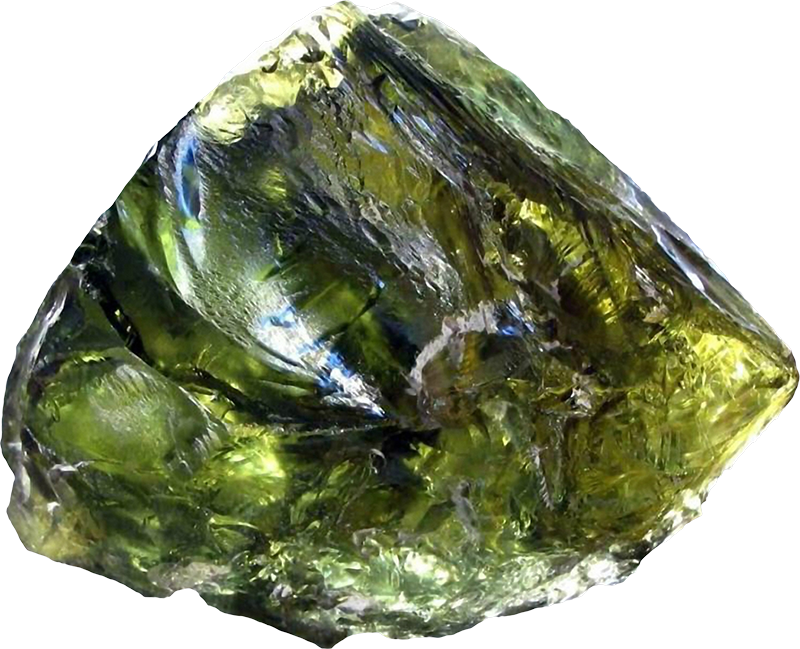
Beryl
Worldwide
Beryl is the mineral whose varieties include emerald, morganite, and aquamarine. Their colors depend on the inclusion of trace elements: chromium=green, iron=blue, manganese=pink. -
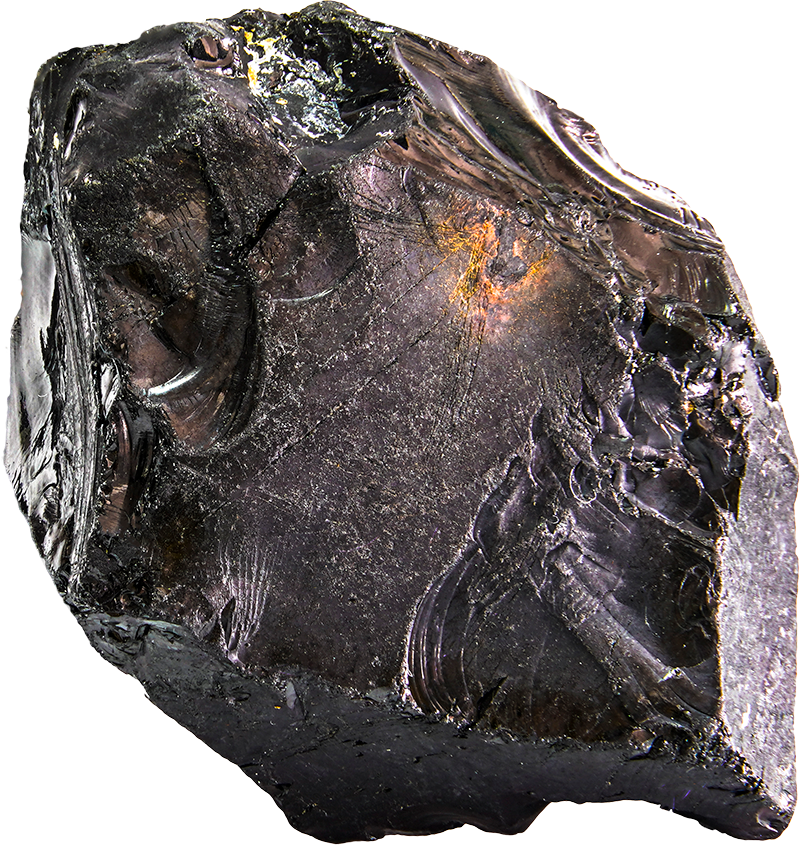
Onyx
Brazil
Another micro-crystalline form of quartz, onyx can feel cool and smooth to the touch. It usually occurs black and streaked with white bands, though it also occurs as brown and red-brown. -
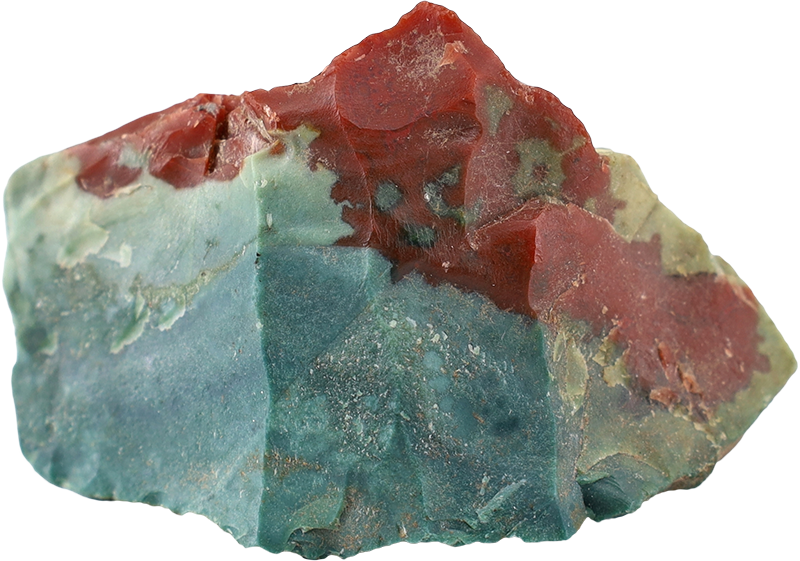
Jasper
Worldwide
Jasper, micro-crystalline quartz, is red due to it iron oxide content. It’s considered the most decorative gemstone. If heated slightly, it can become magnetized.
While the gems in the high priest’s breastplate represented the 12 tribes of Israel, whose names also appear on the gates of the New Jerusalem, the stones in the walls of that city represent God’s people. Commentator Louis A. Brighton notes,
The precious stones of the wall illustrate God’s people as individuals who are precious in his sight. As represented by the twelve patriarchs of the tribes of Israel and by the twelve apostles, the saints in the holy city collectively reflect “the multicolored wisdom of God.” (Ephesians 3:10)2
The gemstones existed in the original creation, and they remain here as a reminder of the value of what awaits us.
Revelation describes the New Jerusalem with 12 gates, each made of a single pearl (Revelation 21:21). In one of Jesus’ parables, a merchant seeking pearls finds one so precious that he sells everything he has to buy it. Louis A. Brighton explains, “So precious is the entrance into the city that it is worth any cost—a price that only the Son of God could pay, but which now the Christian values as his one great possession, having abandoned everything else for its sake.”3
Why then does God have precious gemstones in our eternal home? To adorn his abode, just as we, made in his image, adorn the walls of our homes with precious human works. The gemstones existed in the original creation, and they remain here as a reminder of the value of what awaits us.
A Geologist’s Take on Theology
As a geologist, I seek to understand the earth’s rock layers, gemstones, and mineral deposits for man’s beneficial use. Seen through the lens of God’s Word, earth’s geology informs and deepens my understanding of theology.
When I travel to remote places like the Grand Canyon, I see his amazing handiwork and the gracious results of his flood judgment. With its towering walls around me like a grand cathedral, the tranquility calls me into closer fellowship with my Creator and Redeemer and draws my heart to sing, “How great thou art!”
The flood that destroyed the earth and reshaped it shows us how much God hates sin. Yet beauty remains in magnificent canyons, mountains, and gemstones birthed through catastrophe. I can only imagine what awaits us in our heavenly home—beauty beyond our imagination.
Ethical Mining
While gemstones testify of God’s grace, mining practices often violate the dignity of image bearers. Many mines in countries like Myanmar, Libya, and Afghanistan violate human rights laws through unfair wages or forced labor, including child slavery and endangerment. Proceeds from lapis lazuli sales fund terrorism from the Taliban, which controls a vast mine in Afghanistan.
Additional environmental concerns also plague the gemstone industry, with some mining practices hurting local communities with soil erosion and contaminated water.
But countries like Australia, Canada, and Sri Lanka are committed to ethical mining practices. You will likely pay more for their gems because the miners enjoy a fair wage and safer working conditions.
When you shop for engagement rings or other fine jewelry, be sure to ask the jeweler where the stones were mined and educate yourself on which countries to buy from. Or consider lab-created gems, which hold equal quality with no human rights violations.
Glimmers of Grace
Laura Allnutt
The little stone in the resized ring on my finger glints with truth: “For his invisible attributes, namely, his eternal power and divine nature, have been clearly perceived, ever since the creation of the world, in the things that have been made” (Romans 1:20).
The gems in that jewelry store sparked questions about their Designer, for beauty draws our eyes to him. And one day, when he makes all things new, those gems will remind us of the light he shined upon us when we yet lived in a fallen world. The world now and the world to come gleam with his grace.
holds a PhD in geology from the University of Sydney and has worked as a consultant research geologist in both Australia and America. He is the author of numerous scientific articles.
holds an MFA in creative writing. She is the managing editor of Answers magazine.
Answers Magazine
October–December 2025

When invasive species clash with native ecosystems, biologists face tangled questions about biblical dominion.
Browse IssueFootnotes
- F. B. Meyer, Studies in Exodus (Grand Rapids: Kregel Publications, 1978), 361.
- Louis A. Brighton, Concordia Popular Commentary: Revelation (St. Louis: Concordia Publishing House, 2009), 419.
- Brighton, Concordia Popular Commentary, 419.
Support the creation/gospel message by donating or getting involved!

Answers in Genesis is an apologetics ministry, dedicated to helping Christians defend their faith and proclaim the good news of Jesus Christ.
- Customer Service 800.778.3390
- Available Monday–Friday | 9 AM–5 PM ET
- © 2026 Answers in Genesis