
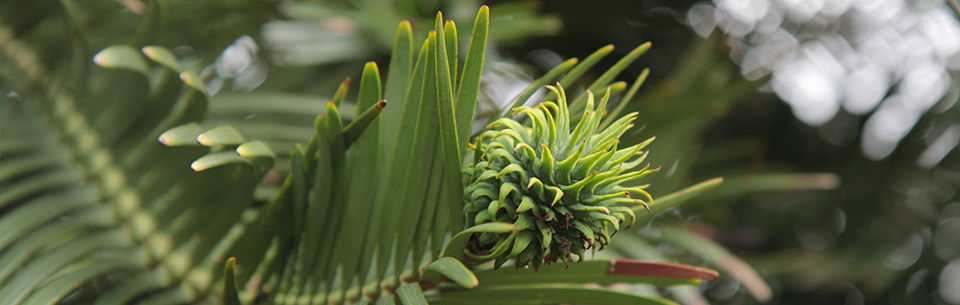
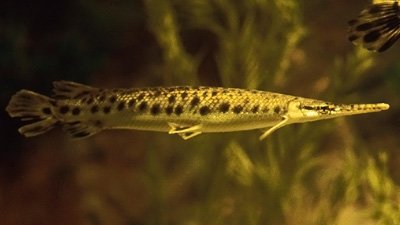
Jonathanischoice, CC BY 4.0, via Wikimedia Commons
Living Fossils
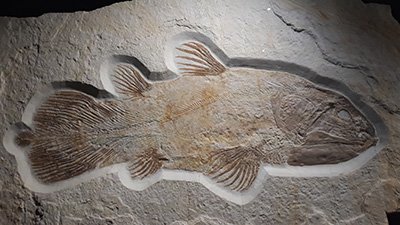
The coelacanth (see-luh-canth) fish is probably the most popular living fossil. It was named by Louis Agassiz in 1839 and was known from fossils in rock layers that evolutionists ultimately placed around 409 million years ago in the early Devonian sediments.1 From a biblical viewpoint, the Devonian rock layers are merely flood sediment in the earlier stages of the deluge being about 4,350 years ago.
Evolutionists also made the pronouncement that the coelacanth fish (coelacanth granulatus) went extinct about 65–70 million years ago since its fossils were no longer seen in any sediment above the Cretaceous. Evolutionists assumed that if something wasn’t buried in a layer anymore, then it had gone extinct, and therefore, no longer existed.
Even so, the coelacanth was hailed as a missing link that connected fish to amphibians in the evolutionary scenario. The evolutionary story is that fish evolved into amphibians by crawling out on land more and more. The coelacanth, which has some awkward-looking pectoral fins at the bottom of it, was seen as the prime candidate for stepping out on land in the early days of evolution; while some remained in the sea, others crawled out on land. Thus, evolutionists used this evidence as the next great step in evolution. This fish was hailed as a missing link on the road to evolution.
But then it happened. In 1938, this evolutionary story shattered when living coelacanths were found thriving off the coast of Madagascar. So the coelacanth fish passed from being a missing link to a “living fossil.”
What Is a Living Fossil?
A living fossil is a creature—an animal or a plant—that was thought to be extinct but is found living or growing today. The coelacanth was one great example.
Another great example is the huntsman spider. In the evolutionary tale, its fossil, which was found in amber, goes back an alleged 35–50 million years ago and then disappeared.2 And yet, there they are alive and well today.
A third example would be the Wollemi pine, which are so rare that they were thought to be extinct until 1994. That year, a team of biologists and botanists compared notes and discovered that this tree was one that was supposedly around for 100 million years and the last known fossil specimen was dated at 91 MY.3 It then then was believed to have gone extinct around 2 million years ago, but this later date is based on an assumed close phylogenetic relationship of Wollemia with Agathis and Araucaria which was previously suggested based on several shared features in the ovulate cones.4 But phylogenetic relationships assumes evolution to be true to form their classifications. Since phylogenetic trees are hypotheses and not “facts,” they are dependent upon both the quality and quantity of data that support them.
-
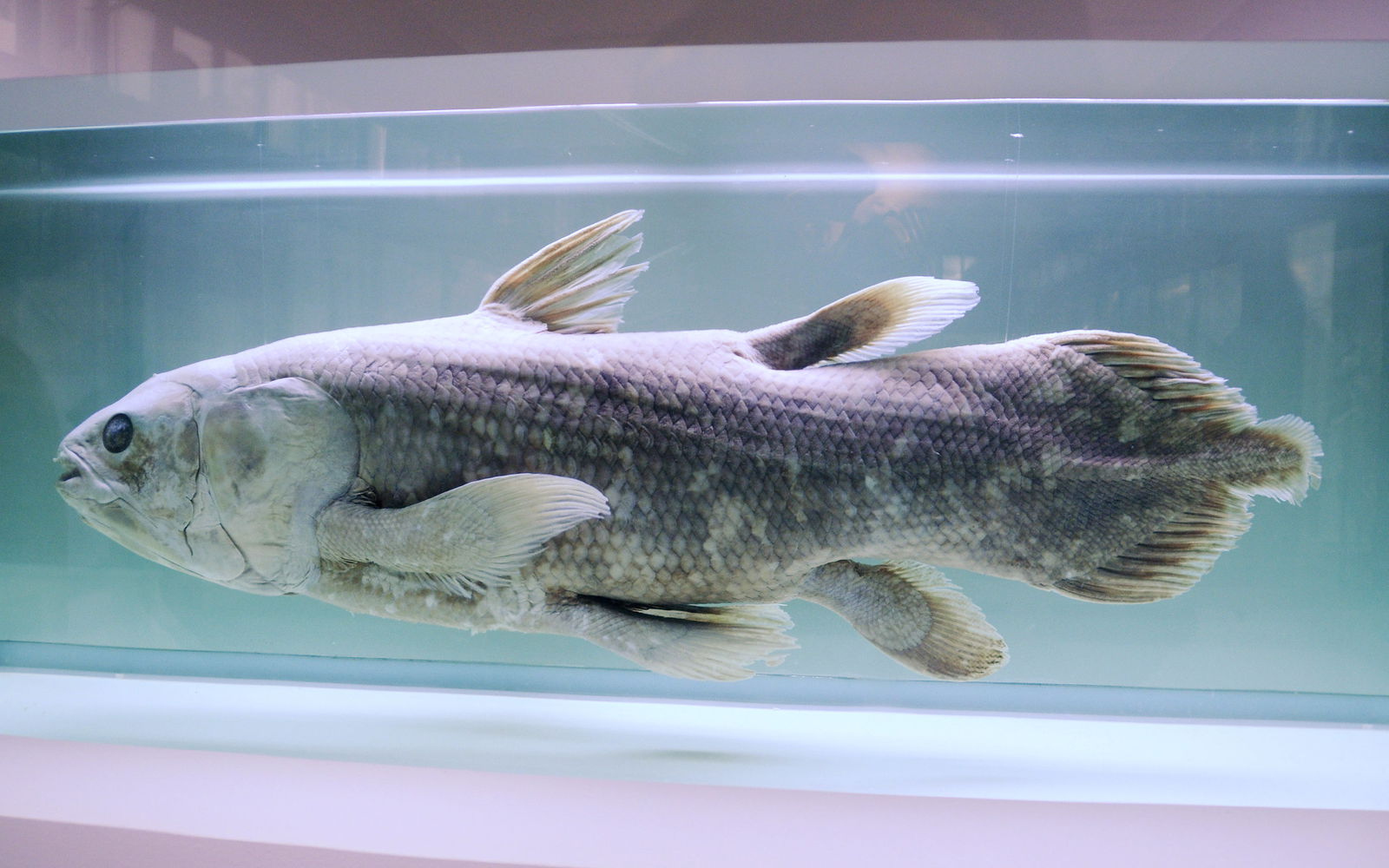
A Coelacanth Fish
“Coelacanth” by smerikal, CC BY-SA 2.0 -
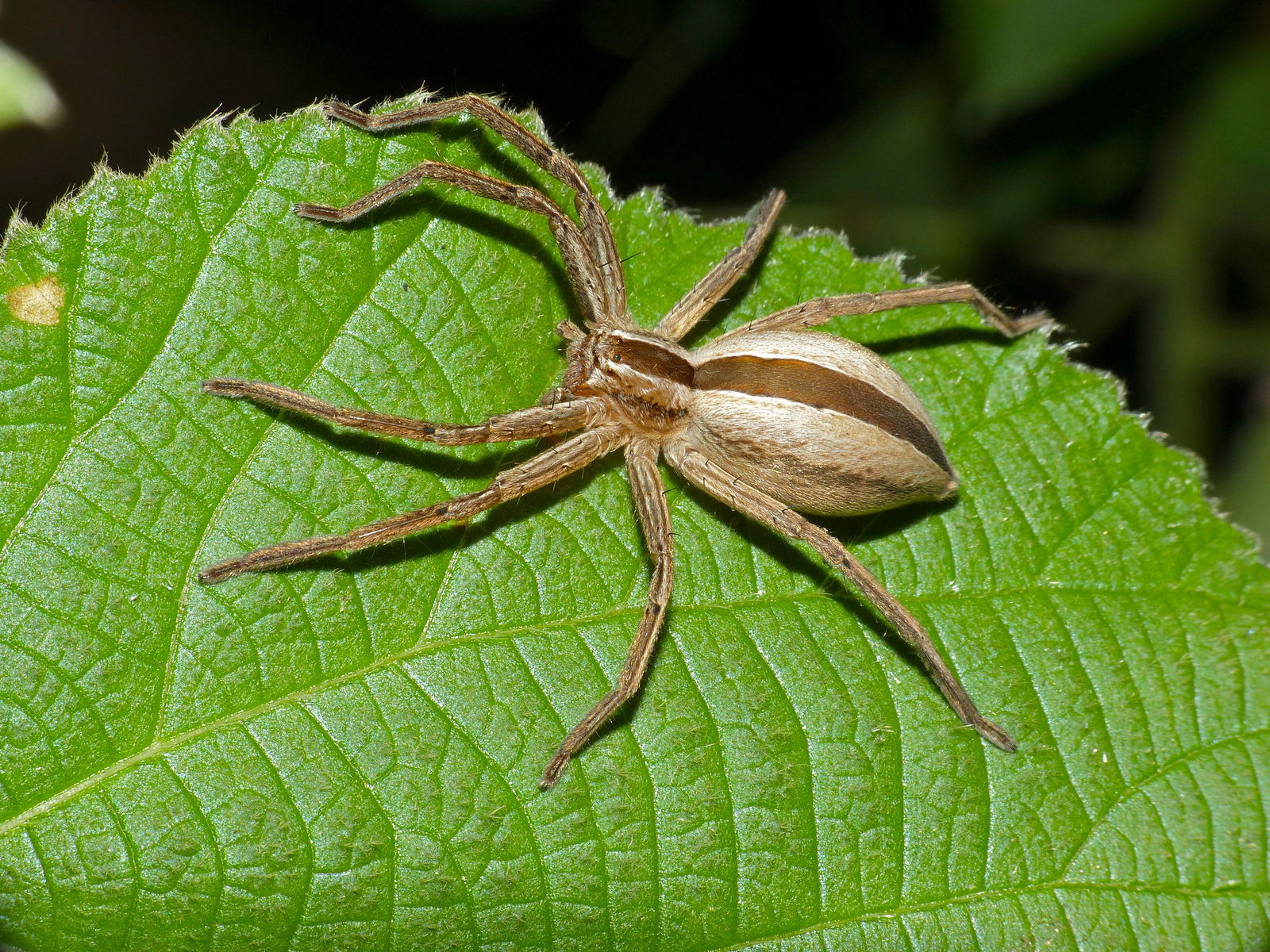
A Huntsman Spider
“Grass Huntsman Spider (Pseudomicrommata longipes)” by Bernard DUPONT, CC BY-SA 2.0 -
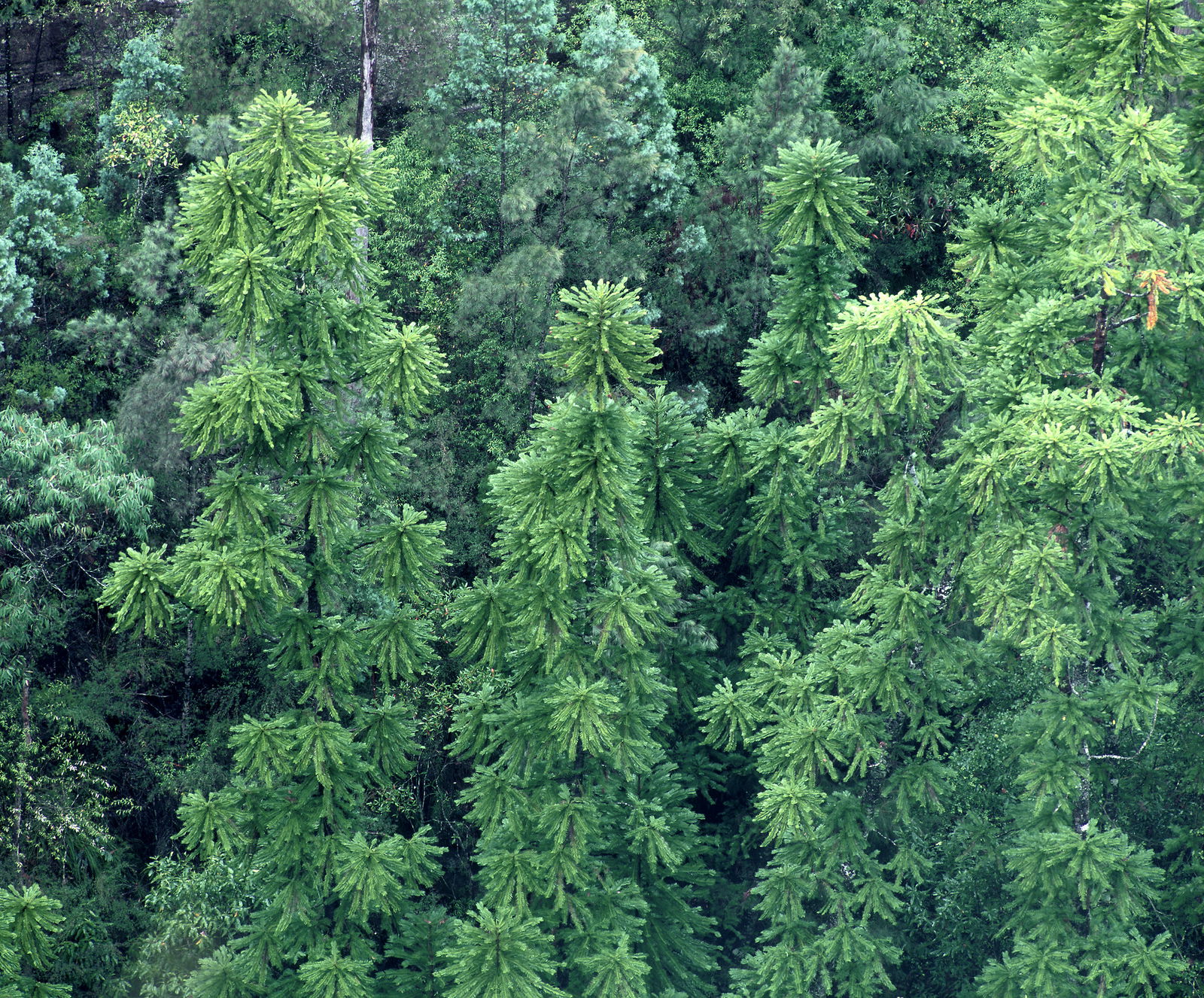
Wollemi Pines
“Wollemi pines” by Botanic Gardens of Sydney, CC BY-NC-ND 2.0
What Do Living Fossils Prove?
Living fossils prove that just because a creature isn’t found buried in a rock layers doesn’t mean it didn’t exist when that layer was deposited and turned to rock. Prior to its “rediscovery” when coelacanth fossils were being analyzed, there was the assumption that if a creature wasn’t found buried in a rock layer, then it didn’t exist. As we continue to see with living fossils, this assumption is not a good one to make.
Living fossils also prove that just because two things aren’t found buried together doesn’t mean they didn’t live contemporaneously. Coelacanths and humans are not found buried together, but they live at the same time.
Living fossils are powerful evidence against evolution. They show that many plants and animals underwent very little change. Not that this is a big deal for the biblical creationist. Although we expect creatures to have variation within their kinds, we also predict that very little change would be the norm for some kinds since the flood of Noah’s day—which was a matter of thousands of years ago. This would be especially true of marine creatures, plants, and possibly insects that would not have experienced the severe bottleneck that land-dwelling, air-breathing creatures did at the flood.
Stasis
Because a living fossil often shows very little change compared to its modern counterpart, it doesn’t easily mesh with the evolutionary story. So evolutionists have come up with a rescuing device—a term called “stasis,” which means the creature remained “static” or without change for long periods of time.
Interestingly, evolutionists will often tout stasis as evidence for evolution. However, it is really the exact opposite of evolution, since the creature didn’t change. Stasis is predicted by creationists as one of the possible outcomes of variation within the created kinds as time progresses. After all, it’s much easier to conceive of an organism facing fewer environmental or other selection stressors in a few thousand years than over 400 million years.
A Thought Experiment
Living fossils demonstrate that there are problems with interpreting the fossil record as a completely ordered progression of organisms over millions of years.
Living fossils demonstrate that there are problems with interpreting the fossil record as a completely ordered progression of organisms, over millions of years. They also have implications for actual or presumed extinct organisms in the fossil record. In fact, ScienceDaily published an article in September 2018, which had this warning sentence in the abstract:
Using the fossil record to accurately estimate the timing and pace of past mass extinctions is no easy task, and a new study highlights how fossil evidence can produce a misleading picture if not interpreted with care.5
In this study, a team of researchers from the Florida Museum of Natural History decided to perform a thought experiment. It went something like this: If we go to a present coastal location and imagine that a mass extinction has wiped out all marine life, could we reconstruct the extinction of mollusks using 130-ft. core samples? Quite surprisingly, the researchers found that only 6 of the 119 modern species at their chosen location in Italy were found near the tops of the cores. The other 113 were scattered throughout deeper parts of the core sample. If this had happened with an actual core of extinct fossils, it would be interpreted as suggesting small bursts of extinctions over a long timeline, not a single massive extinction (which is what they thought they would find). Again, according to the journal paper, the “faux fossil core” showed some disturbing patterns:
The cores also depicted a false pattern of extinction, with the majority of offshore species disappearing in a single large “pulse” in the lower part of the cores and shallow-water and brackish species fading out in several smaller pulses. This is because species followed their preferred habitats as they shifted with changing sea levels. Deeper-water dwellers vanished first, as the local river delta started to expand into the Adriatic Sea, replacing open sea with coastal conditions. When shorelines advanced even farther, shallow-water species disappeared as well.6 . . .
“If you apply methods based on the assumption of random fossilization, you get a precise estimate, but it may be wrong by millions of years,” Nawrot said. “Not only the pattern of extinction but also the timing of extinction would be wrongly interpreted, so this is quite important.”7
Conclusion
While the above example was only a thought experiment, it highlights the inherent bias in the system. Finding fossils in a particular location and then attempting to reconstruct a complete history and ecosystem for the extinct organisms even in a local setting may not work. Some living fossils may be living precisely because they did move out of their previously preferred habitats during an ecological disaster (or even an ecological shift). Others may be living fossils because they were providentially spared from radical environmental changes and/or selection pressures. The Gingko tree most likely only survived extinction due to its remote location in southwestern China.8 Likewise, the Wollemi pine likely survived because it was in a remote region9 and subsequently was not located in areas where human demand for timber might have spelled its doom.
Living fossils are often considered unique and “primitive” looking. But they are not primitive—some are highly specialized, while others (like cockroaches) have adapted to virtually every habitat. While it is true that many living fossils currently represent the only genera (or even species) left of their original created kind, this itself may also be a premature characterization. Getting back to the coelacanth, it was considered extinct for tens of millions of years, then a lone species (Latimeria chalumnae) was discovered in 1938 off the coast of South Africa. Then 61 years later, in 1999, another species (Latimeria menadoensis) was discovered off the coast of Indonesia. Who is to say that more species might not be discovered in the future?
There have been only a little over 6,000 years since creation and approximately 4,350 years since the flood.
The same holds true for many living fossils, and some at present considered extinct. Contrary to evolutionary dogma, the “hero of the plot” for living fossils is the fact that there haven’t been hundreds of millions of years or Darwinian evolution, there have been only a little over 6,000 years since creation and approximately 4,350 years since the flood. Some of these creatures have only managed to dodge our discovery of them for the past few thousand years, but with increasing technology, including drones, submersibles, and robotic devices, we may find many more “living fossils” in the near future.
Footnotes
- Min Zhu, Xiaobo Yu, Jing Lu, Wenjin Zhao, and Liantao Jia, “Earliest Known Coelacanth Skull Extends the Range of Anatomically Modern Coelacanth to the Early Devonian,” Nature Communications 3 (2021): https://www.nature.com/articles/ncomms1764.
- Elizabeth Mitchell, “Tropical Huntsman,” Answers in Genesis, May 28, 2011, https://answersingenesis.org/fossils/living-fossils/tropical-huntsman/.
- NSW National Parks and Wildlife Service, “Wollemi Pine,” accessed February 2026, https://www.nationalparks.nsw.gov.au/plants-and-animals/wollemi-pine.
- Dennis W. M. Stevenson et al., “The Genome of the Wollemi Pine, a Critically Endangered ‘Living Fossil’ Unchanged Since the Cretaceous, Reveals Extensive Ancient Transposon Activity,” bioRxiv [preprint] (August 24, 2023): https://pmc.ncbi.nlm.nih.gov/articles/PMC10473749/.
- Florida Museum of Natural History, “The Walking Dead: Fossils on the Move Can Distort Patterns of Mass Extinctions,” ScienceDaily, September 14, 2018, https://www.sciencedaily.com/releases/2018/09/180914100341.htm.
- Florida Museum of Natural History, “The Walking Dead.”
- Florida Museum of Natural History, “The Walking Dead.”
- Cor Kwant, “The Ginkgo Pages,” accessed February 2026, https://kwanten.home.xs4all.nl/fossils.htm.
- NSW National Parks and Wildlife Service, “Wollemi Pine,” https://www.nationalparks.nsw.gov.au/plants-and-animals/wollemi-pine.
Support the creation/gospel message by donating or getting involved!

Answers in Genesis is an apologetics ministry, dedicated to helping Christians defend their faith and proclaim the good news of Jesus Christ.
- Customer Service 800.778.3390
- Available Monday–Friday | 9 AM–5 PM ET
- © 2026 Answers in Genesis