

A Collision of Species
When invasive species clash with native ecosystems, biologists face tangled questions about biblical dominion.
After passing wetland pockets and an oak savanna habitat, I parked the work truck by a field on Necedah National Wildlife Refuge. As a summer biology intern in Wisconsin, I frequently came to this field to track the federally endangered whooping crane (Grus americana). It was a fine spot for listening to the steady beep, beep, beep of the telemetry receiver (a device for tracking the birds’ locations) and to photograph the yellow blooms of the prickly pear cactus (Opuntia fragilis) growing in the sandy soil.

Necedah National Wildlife Refuge.
Photo by Sam Stukel/USFWS
But I wasn’t there for my usual task of tracking cranes or admiring the cacti. I had another plant on my mind—hairy vetch (Vicia villosa).
Some federally owned lands that have been acquired for the national wildlife refuge system were once farming homesteads. Farmers commonly planted hairy vetch as a cover crop because it benefits grazing livestock, controls erosion, and fixes large amounts of nitrogen, enriching the soil with essential nutrients for agriculture. But while hairy vetch may be beneficial for cultivated crops, it grows in a dense mat, choking out other plants.
I was tasked with mitigating its spread.
Some species, like hairy vetch, are labeled invasive because they are introduced animal or plant species that encroach upon or outcompete native species. A native species is a species that is believed to occur in an area naturally1—meaning it wasn’t introduced by people. In evolutionary ideology, “occurs naturally” would mean the species evolved over many years—sometimes millions of years—to exist in the area.
But from a biblical worldview, we know that God designed the original plant and animal kinds to disperse and adapt to living in many different environments, often in tandem with other specific organisms.
If God designed life to spread out and fill the earth, are invasive species simply establishing new ecosystems? Or do we have a responsibility to practice wise dominion when they overstep their native boundaries?
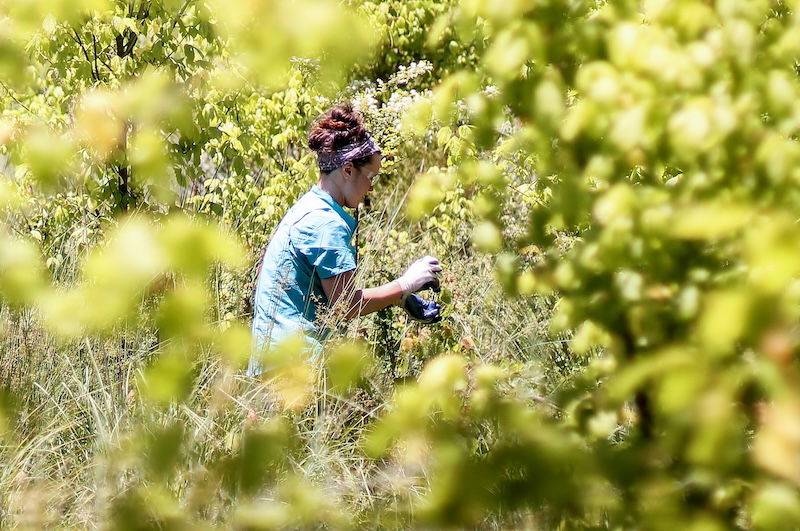
The National Wildlife Refuge System (NWRS) focuses on conserving US fish, wildlife, and plants, and managing populations of invasive species across its approximately 850 million acres of public lands and waters.
Photo by G. Peeples/USFWS
A Disruptive Displacement
Invasive species can be disruptive. For example, zebra mussels (Dreissena polymorpha) have invaded the Great Lakes, clogging water pipes and displacing native species. Nutrias (Myocastor coypus), large semi-aquatic South American rodents, have spread through at least 20 states, damaging marshes and other wetlands by feeding on native plants. Rusty crayfish (Faxonius rusticus), normally found in Ohio’s river system, are plaguing Canada’s Ontario province, eating food almost twice as fast as native species. American bullfrogs (Lithobates catesbeianus) have devastated aquatic ecosystems in many other countries because of their exponential breeding rates.
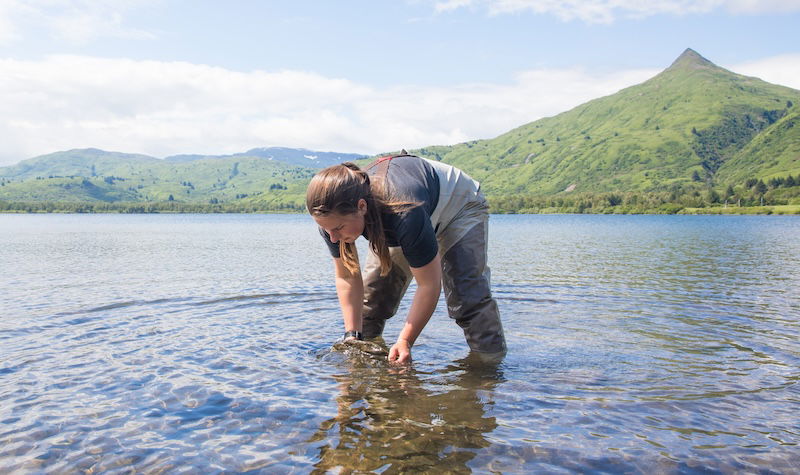
A biologist hunts invasive crayfish in Buskin Lake, Alaska.
Photo by Lisa Hupp/USFWS
Currently, an invasive species receiving a great deal of attention is the Burmese python (Python bivittatus). In Southeast Asia, the Burmese python, one of the world’s largest snakes, is an important predator necessary for balancing the predator/prey dynamic. However, since being introduced to Florida in the 1970s, likely from the exotic pet trade, the python has caused detrimental impact to rare and threatened wildlife in ecosystems such as the Everglades.
Animals are not the only invasive species. The American chestnut (Castanea dentata) tree once dominated forests in the eastern United States, numbering nearly four billion trees. Chestnuts were harvested by the thousands for livestock and human consumption.2 Chestnut wood was a major contributor to economic growth because the rot-resistant lumber was ideal for furniture and building materials. But in the early 1990s, a fungus known as Cryphonectria parasitica (chestnut blight) was introduced from Asia, causing the once dominant tree to become a rarity and creating devastating economic impact.3
A fungus called tar spot has ravaged Midwest corn crops. Once a corn plant becomes infected, the fungus rapidly spreads, reducing crop yield by 50% and costing farmers thousands of dollars in damage and pesticide treatment. Overall, invasive species cost the US $26 billion a year.4
In addition to economic and ecological damage, invasive species sometimes carry diseases. Many culex mosquitoes, introduced to the US from North Africa and Asia, carry infectious pathogens such as West Nile virus. If bitten by an infected mosquito, humans can develop flu-like symptoms and, in rare instances, even die.
Invasive Species Cost the US $26 Billion a Year
- Native Species
A species that occurs naturally in a particular region, ecosystem, or habitat without human introduction - Introduced
A species brought, intentionally or accidentally, by human activity into an area where it does not naturally occur - Non-Native Species
A species that does not occur naturally in an ecosystem but causes no harm to its new environment (also called non-indigenous, exotic, or alien) - Invasive
A non-native species that causes harm to the environment, economy, or human health - Pest
Native or non-native species causing harm in a more localized setting than invasive species - Weed
An unwanted native or non-native plant that grows in a particular area and often aggressively outcompetes other species even when native to the area
What Makes an Invader?
According to the United States Geological Survey website, the US now hosts more than 6,500 invasive species.5 That’s to say nothing of the invasive species spreading through other countries across the world.
Invasive species thrive because they easily adapt in new environments with few or no natural predators. Many invasive species also reproduce rapidly or grow quickly. For example, kudzu (Pueraria montana var. lobata) vines can grow a foot per day in some places, and zebra mussels can produce over a million eggs per year. This prolific nature allows them to readily establish themselves and outcompete native species. Biologists also may not have the resources for managing their unexpected invasion.
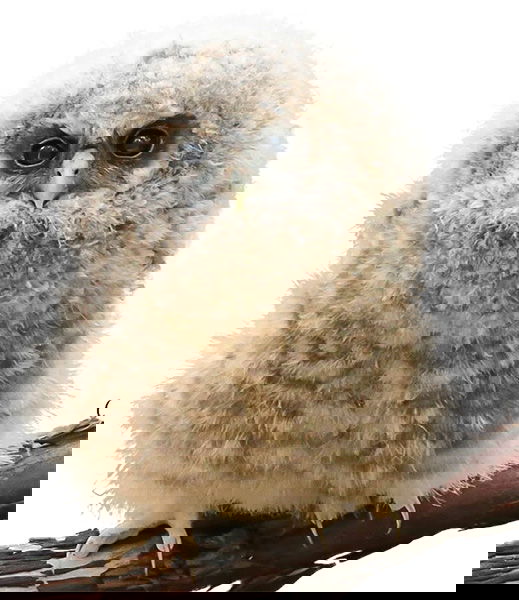
Northern spotted owls, like this fledgling, are native to the western US. Northern spotted owl populations are currently threatened due to habitat destruction and competition with the regionally invasive barred owl.
Photo by Zia Fukuda/BLM
We sometimes see animals adapting to invasive species without human intervention. Ecologists from the US Geological Society captured trail camera footage of a Florida bobcat (Lynx rufus) eating python eggs. But further research is needed to investigate the extent to which the bobcats could mitigate python invasion.6
Not every invasive species that enters a new ecosystem causes damage. Sometimes an invasive species will exist long enough to stop spreading or integrate without disrupting an ecosystem. In some cases, it might even benefit an ecosystem, such as by becoming food for the native inhabitants. Since 2013, the Joro spider (Trichonephila clavata), a large yellow species native to Japan, has been spreading around the Southeastern United States, weaving massive golden webs. Joro spiders appear to be harmless and might be helpful since they eat brown marmorated stinkbugs (Halyomorpha halys), another invasive species which can consume crops like corn and peaches.
A Fallen Problem
God imposed order to his creation. We also know that our Creator God loves diversity, evident by the vast array of colors, creatures, and people groups that exist in his creation. An inevitable consequence of the fall is the disorder and limit to biodiversity that invasive species inflict on ecosystems.
After the cataclysmic effects of the global flood, animals that once dominated the land were completely wiped out. All that remained to repopulate the earth were the kinds Noah had taken onto the ark. When the ark’s passengers disembarked, God commanded them to “be fruitful and multiply” (Genesis 8:17). At creation, he had placed the necessary genetic information for the kinds to adapt to harsh and shifting ecosystems in a post-flood world. These kinds diversified into the various animal species we see today. Invasive species exhibit that same adaptability and resilience.
We know that the collision of native species with disruptive invasive species did not exist before the curse of man’s sin. Genesis 1:31 says, “And God saw everything that he had made, and behold, it was very good.” No species would have been out of place, outcompeting or harming other species or humans. When God cursed the ground because of Adam’s sin, the orderly creation was plunged beneath the consequence of man’s disobedience, subjecting it to imbalance, disorder, and harm.
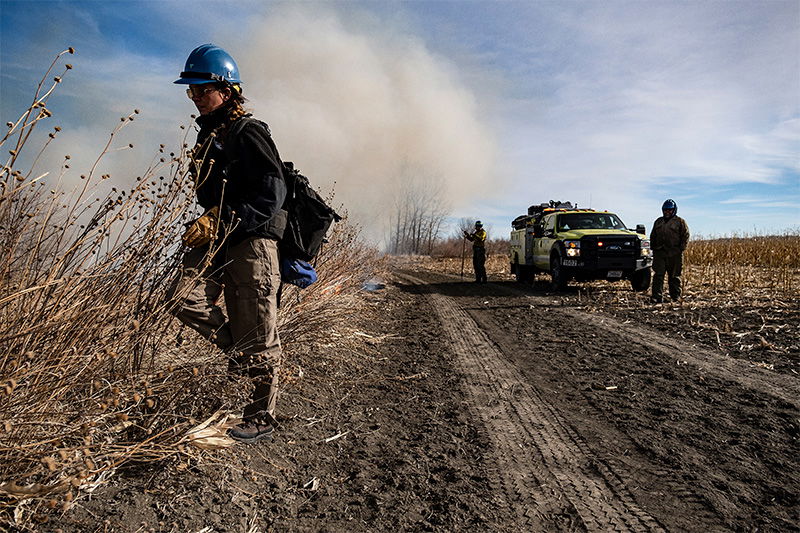
A crew with the Bureau of Land Management oversees a controlled burn to reduce invasive plant populations east of Billings, MT.
Photo by BLM_MTDKS
Humans and Our Harm
Throughout history, humans have altered landscapes often by unintentionally introducing invasive species. Whether by hitching a ride on cargo pallets, clinging to cargo ships, or sticking like velcro to hiking pants, invasive species have tagged along.
But we have also intentionally introduced species for beneficial purposes, like kudzu brought to the southern US for erosion control or carp introduced to control algae in wastewater treatment plants.
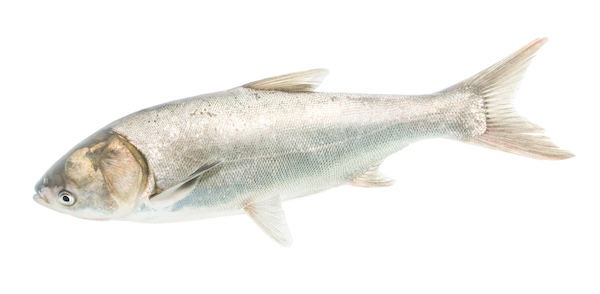
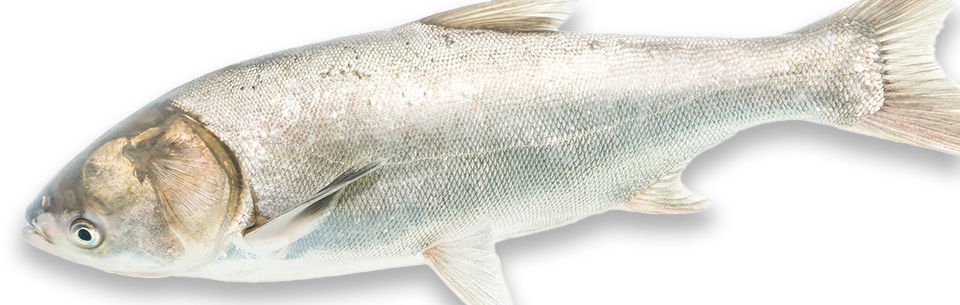
A species of silver carp invasive to the rivers and lakes of the Midwest US.
As technology improves and development expands, we inevitably change the landscape. But when we aren’t careful, we can weaken native ecosystems, making them susceptible to invasive species.
Some people who view humans as nothing more than highly evolved animals claim that humans with their expansion are the real invaders in nature. But we know that God created the world for humans to inhabit (Isaiah 45:18), and he commanded people to wisely exhibit dominion over his creation (Genesis 1:28). Human flourishing should take precedence over creaturely worship (Romans 1:25) and must be done in a way that safeguards fellow humans while also protecting God’s creation from irrevocable harm.
Home Invasions
All over the US, species that have become familiar to us are actually invasive. Have you spotted any of these in your area?
-
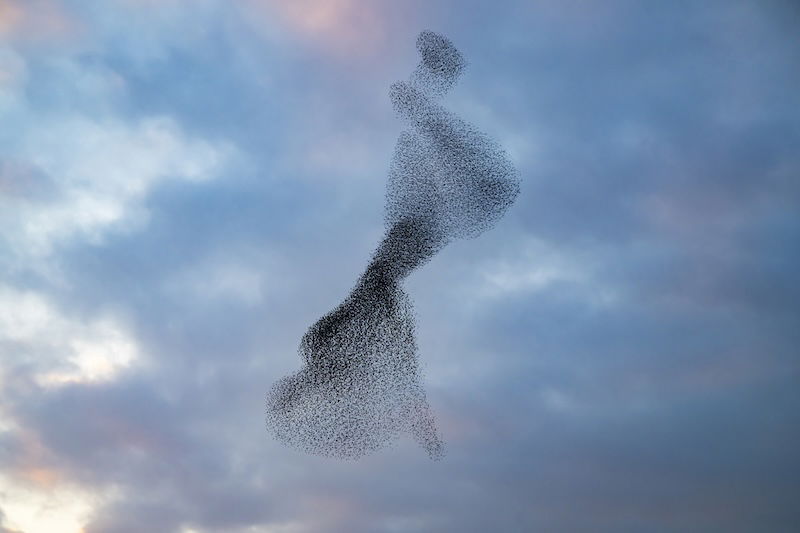
European Starlings
Native to: Eurasia and northern Africa
Introduced to North America: late nineteenth century
Method of arrival: introduced, in part, by wealthy socialite Eugene Schiefflin who was interested in bringing species to new environments -
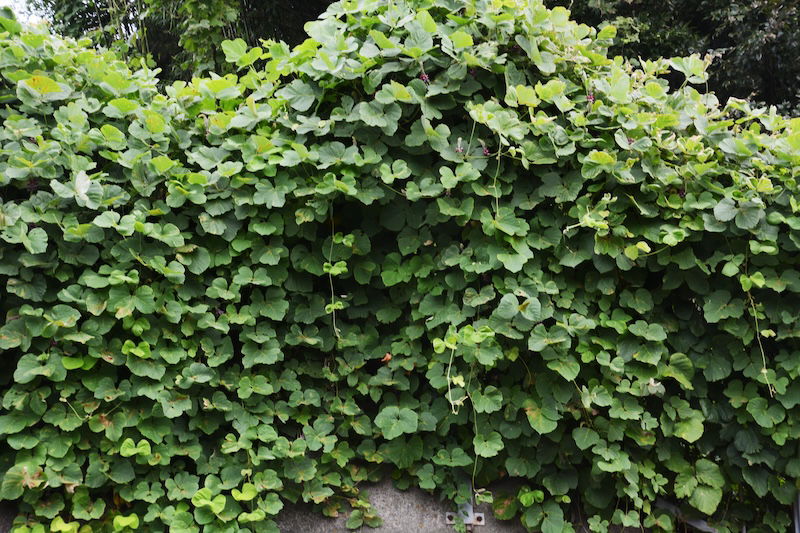
Kudzu
Native to: Asia
Introduced to North America: late nineteenth century
Method of arrival: purposefully introduced for erosion control -
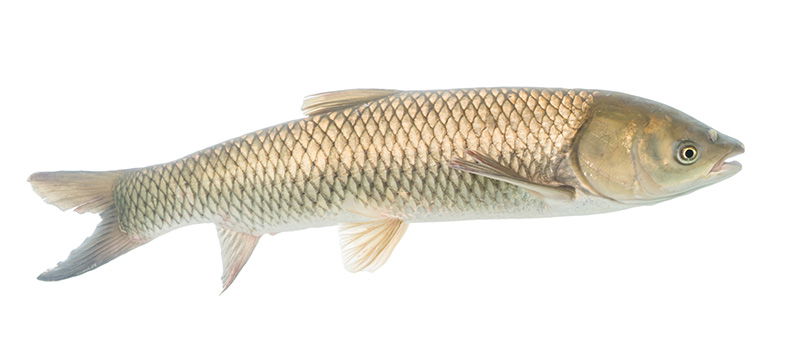
Asian Carp
Native to: Asia
Introduced to North America: late twentieth century
Method of arrival: brought for use in aquaculture ponds -
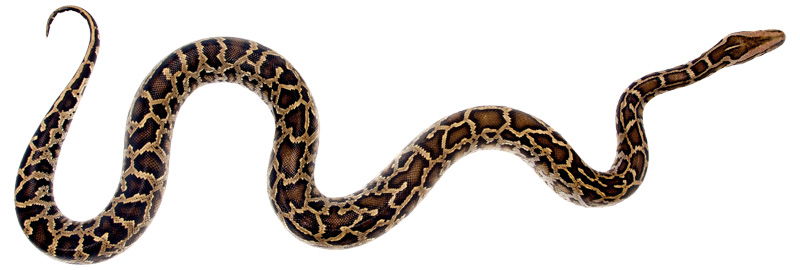
Burmese Python
Native to: Southeast Asia
Introduced to North America: late 1990s–early 2000s
Method of arrival: US pet trade -
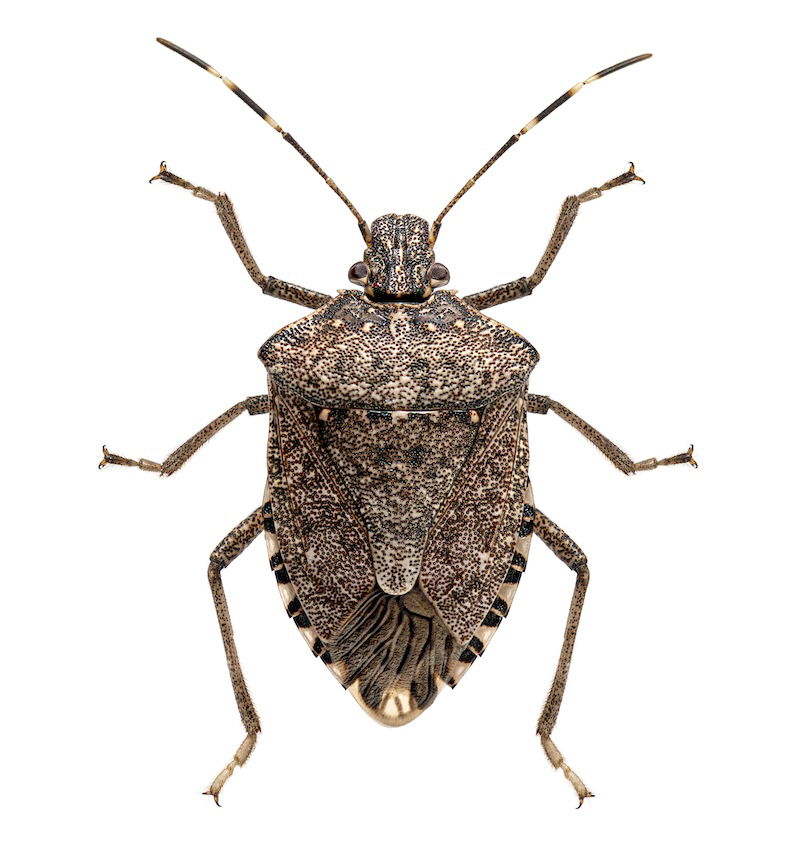
Brown Marmorated Stinkbugs
Native to: Asia
Introduced to North America: mid-1990s
Method of arrival: likely by stowing away on shipping containers -
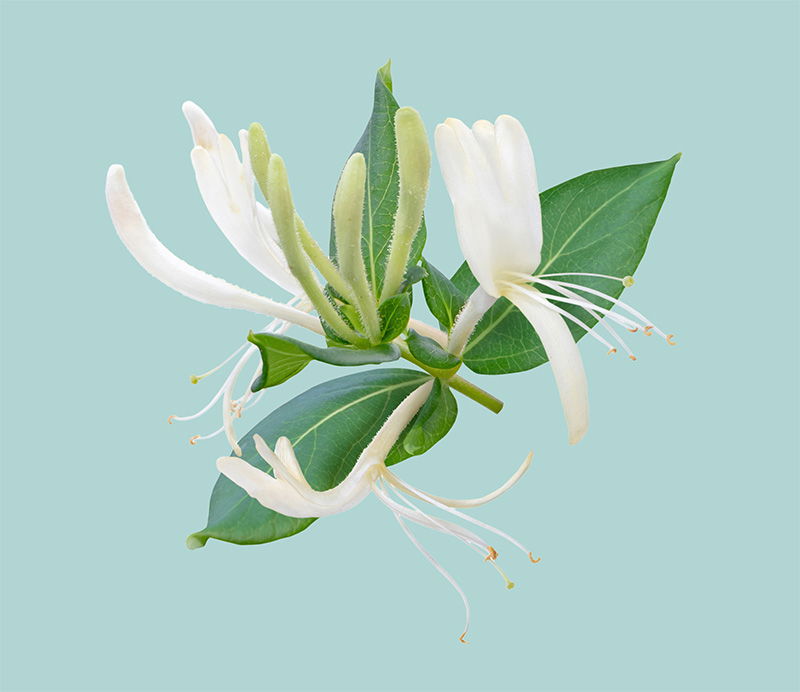
Japanese Honeysuckle
Native to: East Asia
Introduced to North America: nineteenth century
Method of arrival: brought for ornamental purposes and erosion control -
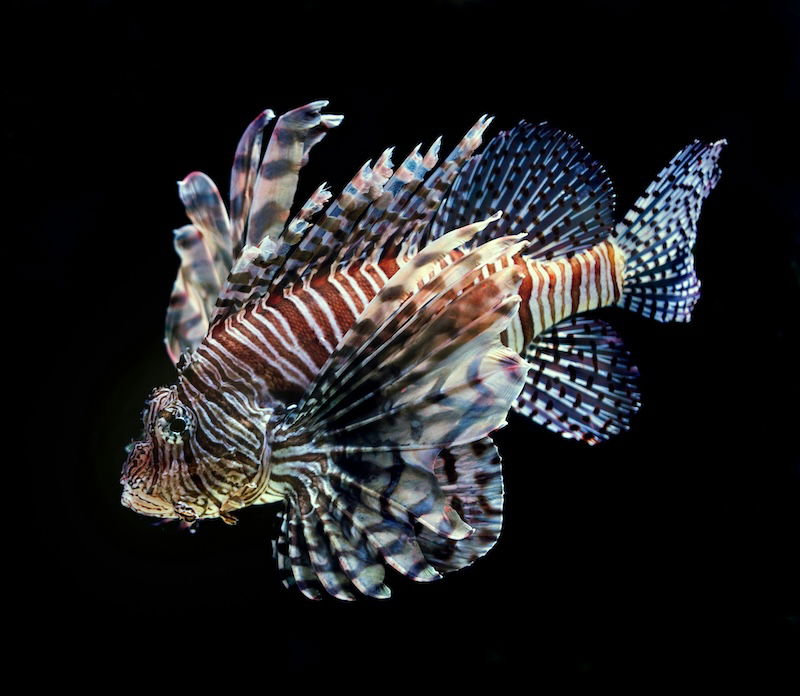
Lionfish
Native to: western Pacific Ocean
Introduced to North America: 1980s
Method of arrival: aquarium trade -
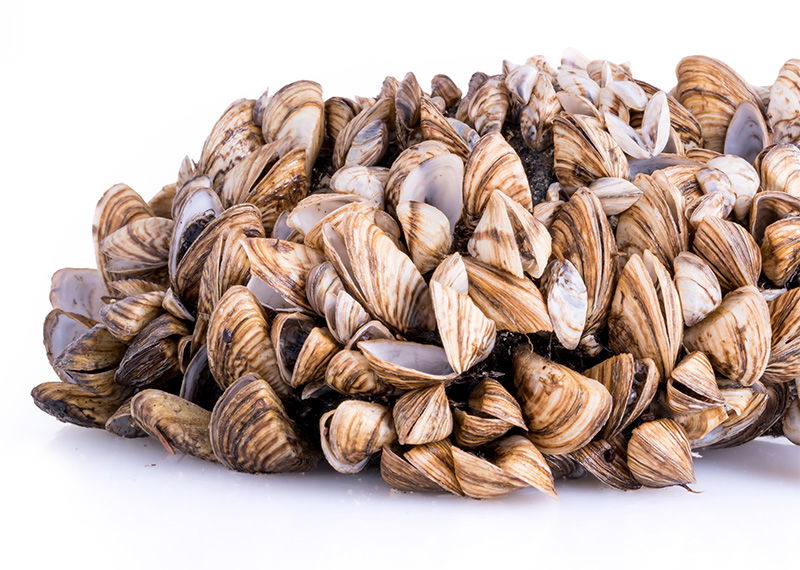
Zebra Mussel
Native to: Eurasia
Introduced to North America: 1988
Method of arrival: cargo ships
Mitigating Our Harm
When we care for the things God made, including by managing invasive species, we bring him glory. Because we cannot always readily predict the outcomes from our influence on the environment, we must take extra care to consider all foreseeable consequences before introducing a new species.
You can see the desire for mitigating careless stewardship by taking a trip to your local boat launch. You will likely find signs from the United States Fish and Wildlife Service that say, “Stop Aquatic Hitchhikers! Be A Good Steward. Clean. Drain. Dry.” These signs alert recreational users to prevent the transport and spread of aquatic invasive species.
When I worked for wildlife agencies, we often hired summer interns to monitor boat launches, ensuring lake goers removed invasive species that may have been attached to their boats or equipment. I also carried a portable pump sprayer that I used to spray my kayaks and canoes after conducting field research.
Conservationists are developing creative strategies against invasive species. For example, to battle the chestnut blight, scientists are crossbreeding American chestnut trees with Asian species which are naturally resistant to the fungus. They are also employing technology like drones to monitor invasive species and using AI to identify invasive species from photos and video footage.
Evolution and Invasive Species
Only within a biblical worldview does managing invasive species makes sense. If humans are a product of evolutionary chance and a fellow animal rather than an image bearer, then what purpose does managing invasive species serve? Evolutionary ideology assumes that all life is a product of random chance, and each species is competing with one another through survival of the fittest. If this is true, wouldn’t it make sense to let nature take its course and allow these species to invade or outcompete with other species? Yet, secular scientists understand the implications invasive species have on ecosystems and attempt to mitigate their harm as well as their unintended introduction. In this, they unwittingly obey the Genesis mandate to have dominion over creation.
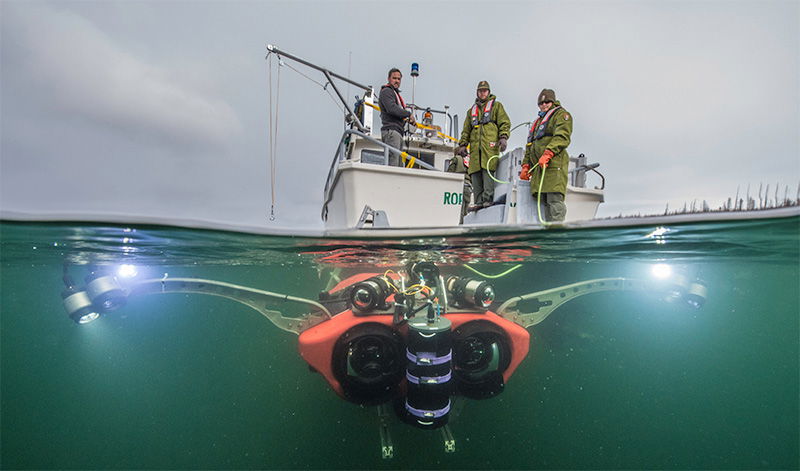
National park workers deploy a small submarine in Yellowstone Lake as part of an aquatic invasive species program.
Photo by Brett Seymour/NPS
Restorative Redemption
Concern over invasive species reveals our innate desire for blissful biodiversity. God’s Word tells us that all creation is groaning, eagerly waiting to be set free from the bondage of corruption (Romans 8:19–21). Our hope is not in a perfectly ordered present world but in God’s graciously promised redemption of all creation (Revelation 21:1–5).
Until that promised redemption, God has charged people to care for his creation. With careful stewardship and patience, an ecosystem ravaged by invasive species might regain balance.
An unmanaged field of hairy vetch can eradicate native plants. But if wisely managed, hairy vetch can be an additional food resource for pollinator species that feed on the nectar of its purple flower. The Karner blue butterfly (Plebejus samuelis) is an endangered species also found at the Necedah National Wildlife Refuge. The only known larval food source for this butterfly is wild lupine (Lupinus perennis) plants.7 Invasive hairy vetch can overtake wild lupine if not controlled, but in the proper amount, hairy vetch might simultaneously provide nectar for adult butterflies. Finding a balance to control hairy vetch can be crucial for conserving the delicate beauty of butterfly species such as Karner blues.
With the gravel crunching beneath my feet, I took one last glance to make sure my boot laces were secure. I didn’t want to trip over the matted sprawls of hairy vetch with the extra weight I was carrying. With a huff, I adjusted the straps on my backpack sprayer, the chemicals sloshing back and forth. It was early morning, but the sweat under the brow of my hat hinted at the heat to come. I unhooked the nozzle from its holster. With a quick pump, I coated the first patch with the deadly spray and moved to the next, each step a quiet act of dominion, the work ahead as tangled as the hairy vetch itself.
What Can You Do?
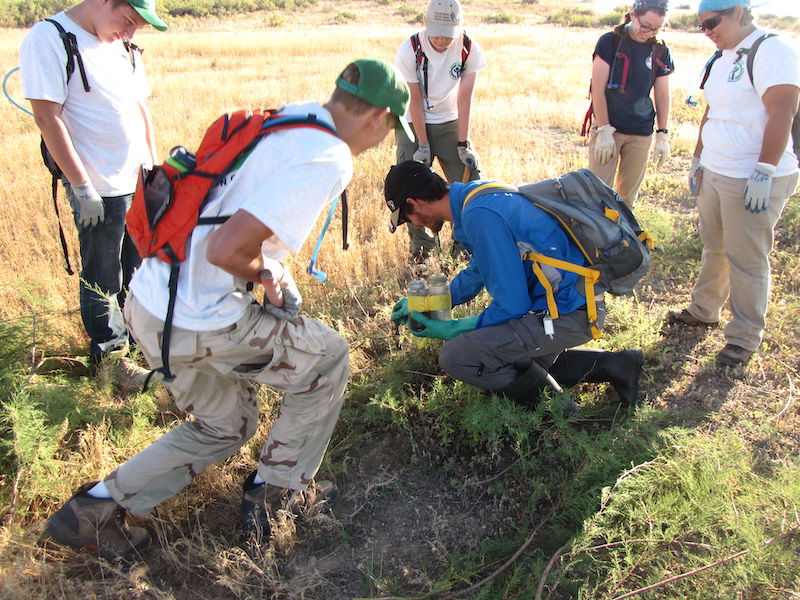
A group of teens clears invasive salt cedar and Russian olive plants at Ouray National Wildlife Refuge.
Photo by USFWS
Even if you aren’t a biologist, you can steward creation by preventing the spread of invasive species.
- Become a citizen scientist. Download apps such as EDDMapS, iNaturalist, and Wild Spotter that allow you to identify and report invasive species sightings.
- Clean your gear. After hiking, fishing, camping, and traveling, clean your gear (boots, poles, tent) to clear any invaders. Even your pet’s paws can transport unwanted guests, so be sure to wipe those too.
- Stay on designated trails. Straying off the beaten path can spread invaders.
- Be a reporter. If you spot an invasive species in your yard or community, report it on your state’s DNR website.
- Plant native species. Whether you’re planting a vegetable garden or a flower bed, incorporate species that are native to your area.
- Use local firewood. Dead wood can be home to many different organisms. To prevent the spread of unwanted guests, don’t bring in firewood from out of your area.
holds a master of science degree in wildlife ecology. She formerly worked as a research scientist and wildlife biologist with a focus on birds and has worked as an environmental technician and educator.
Answers Magazine
October–December 2025

When invasive species clash with native ecosystems, biologists face tangled questions about biblical dominion.
Browse IssueFootnotes
- National Park Service, “What Are Invasive Species?,” last updated July 29, 2024, https://www.nps.gov/subjects/invasive/what-are-invasive-species.htm.
- Margaret Lawrence, “Continuing Battle Against Invasive Species,” National Institute of Food and Agriculture, February 27, 2024, https://www.nifa.usda.gov/about-nifa/blogs/continuing-battle-against-invasive-species.
- Scott E. Schlarbaum et al., “Three American Tragedies: Chestnut Blight, Butternut Canker, and Dutch Elm Disease,” in Kerry O. Britton, ed., Exotic Pests of Eastern Forests Conference Proceedings (Nashville, TN: USDA Forest Service and Tennessee Exotic Pest Plant Council, April 8–10, 1997), 45–54.
- Margaret Lawrence, “Continuing Battle Against Invasive Species.”
- United States Geological Survey, “Invasive Species,” accessed September 2025, https://www.usgs.gov/programs/invasive-species-program#:~:text=More%20than%206%2C500%20nonindigenous%20species,and%20human%20and%20wildlife%20health.
- A. F. Currylow et al., “Face-off: Novel Depredation and Nest Defense Behaviors Between an Invasive and a Native Predator in the Greater Everglades Ecosystem, Florida, USA,” Ecology and Evolution 12, no. 2 (2022): e8639, https://doi.org/10.1002/ece3.8639.
- U.S. Fish & Wildlife Service, “Karner Blue Butterfly,” March 24, 2022, https://www.fws.gov/species/karner-melissa-blue-lycaeides-melissa-samuelis.
Support the creation/gospel message by donating or getting involved!

Answers in Genesis is an apologetics ministry, dedicated to helping Christians defend their faith and proclaim the good news of Jesus Christ.
- Customer Service 800.778.3390
- Available Monday–Friday | 9 AM–5 PM ET
- © 2026 Answers in Genesis