
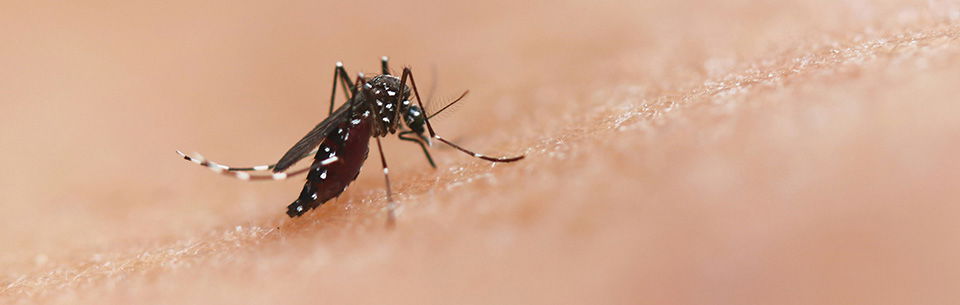
Photo by National Institute of Allergy and Infectious Diseases on Unsplash
Mosquitoes: The 5 C’s of Developing Disease
Commensals Changing to Consequential Pathogens
by
Dr. Alan L. Gillen, Caleb Mast,
and
Robert Braden Somerville
on
August 20, 2025
Featured in
Answers in Depth
Introduction
Hotter, longer summers and changing weather patterns in the United States are bringing more than just sweat and discomfort. In May 2025, a summer heat wave of 107⁰F hit Austin, Texas, and in humid Houston and San Antonio, Texas, temperatures felt over 100⁰ for several days. Normally, these temperatures don’t come until July and August. With temperatures reaching these marks early and heavy rains coming, mosquito activity and ranges expand. Many state and federal health officials report a rise in mosquito-borne illnesses across the US and globe in the last five years.1
Mosquitoes may be annoying, biting pests, but they also are the deadliest creatures in the world. Across the globe, more than 700,000 people die each year from vector-borne diseases transmitted by mosquitoes, including yellow fever, Zika virus, chikungunya, dengue, malaria, and West Nile. In our opinion, the top three global concerns are West Nile, dengue fever, and malaria. In the United States, it is West Nile virus fever.
As Christians, we recognize that mosquitoes were originally created for good: pollinators and part of the grand design in maintaining healthy ecosystems.
We report this on August 20 because of its historical precedence. On that day in 1897, Sir Ronald Ross made a groundbreaking discovery about how malaria is transmitted to humans. He discovered the culprit to be a tiny insect that is one of the world’s largest spreaders of disease—the female Anopheles mosquito. World Mosquito Day, August 20, annually raises worldwide awareness of the ongoing dangers of mosquito-borne diseases.
Mosquitoes are vectors of pathogens and parasites, and ongoing efforts are made to combat the world’s deadliest creature, preventing parasitic infections worldwide. Yet as Christians, we recognize that mosquitoes were originally created for good: pollinators and part of the grand design in maintaining healthy ecosystems.
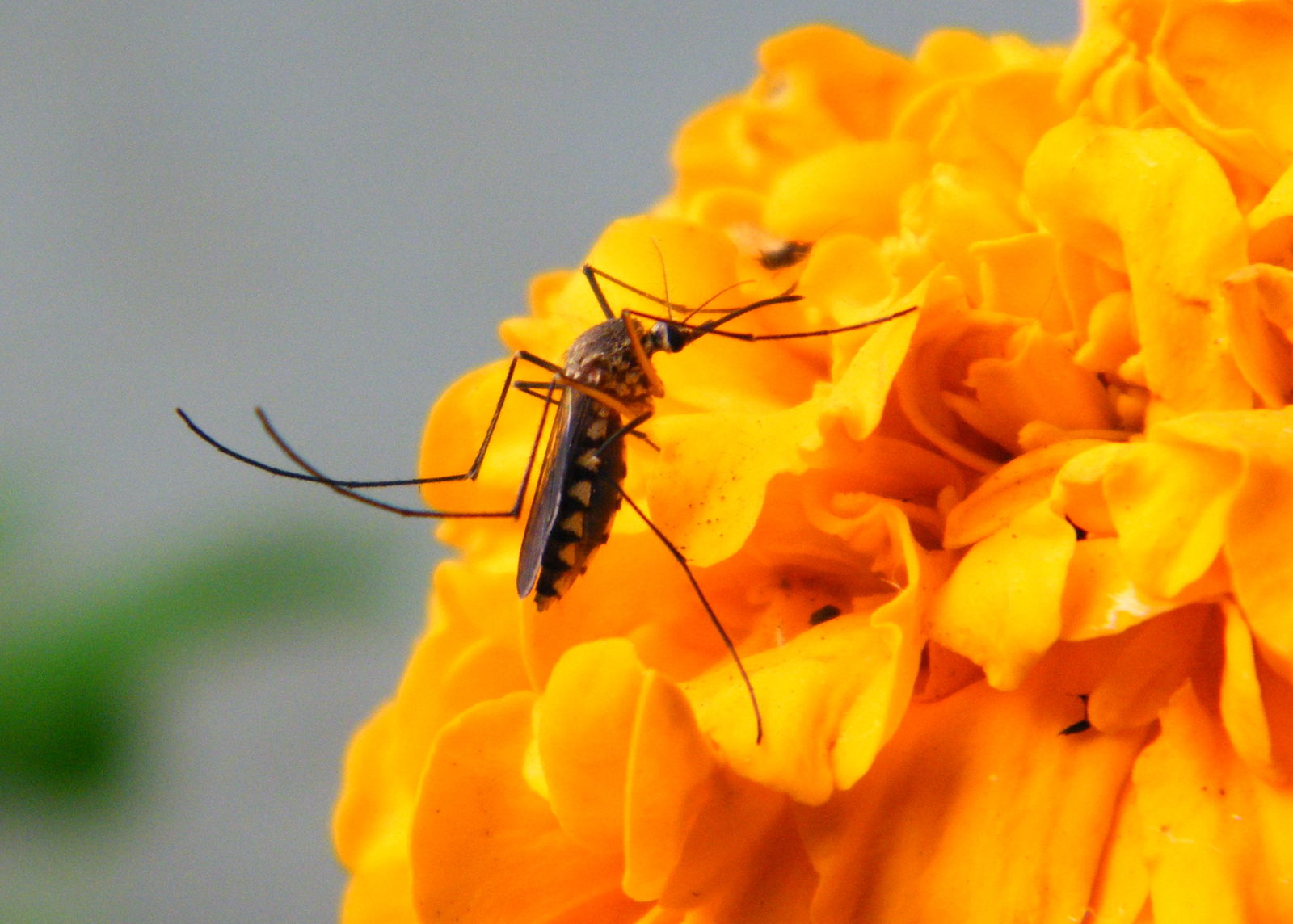
Fig 1. A mosquito feeding on nectar out of a marigold flower. Image by Abhishek Mishra via Wikimedia Commons.
Mosquitoes and Their Microbiome in a “Very Good” World?
Mosquitoes carry viruses, bacteria, fungi, protozoa, and even tiny worms in their gut as their microbiome. Some appear to be beneficial, as mosquitoes need a microbiome for the digestion and assimilation of nutrients, and some are neutral commensals (meaning the microbes benefit from the relationship while the mosquito is neither helped nor harmed). Others, however, are also pathogenic or parasitic, leading the vector mosquito’s host to acquire and transmit dangerous diseases.
What is the origin of mosquitoes and the diseases they carry? Were pathogens part of God’s original creation? We propose a possible sequential model for mosquitoes and the changes in their microbiome.
1. Creation
God made all things with a specific purpose and function, including mosquitoes and their microbiome. They were part of God’s creation that he deemed “very good” at the end of creation week (Genesis 1:31). Mosquitoes did not carry diseases at the inception of the world but were used as pollinators for the exquisite plants that were freshly created.
From the beginning, God made His creation fully mature, and complex forms fully formed. This would ensure continuity and stability for the times to come. Although we cannot be certain as to specifically when the Creator made microbes, it is within His character to make entire interwoven, “packaged” systems to sustain and maintain life. (Gillen 2008)
2. Commensalism
Before the fall, all mosquitoes had a mutualistic or commensal relationship with their harmless microbiome. Their microbiome helped them as they fed on nectar, sugar, and other plants. And the microbes that perhaps didn’t directly benefit the mosquitoes at least achieved benefits for themselves in their mosquito home. Dr. Joseph Francis states,
When you look closely at the microbial world, two major themes are inescapable. One is that our living God intended to ‘fill the earth’ with life, evidenced by the pervasive, life-sustaining biomatrix of microbes, animals, and humans. Second is the Creator’s emphasis on relationships. A vast multitude of living things interact with each other as God designed it to be and as He sustains it. (Francis 2008)
3. Curse
When the curse of sin entered the world, all of God’s once-very-good creation was affected, and some mosquitoes became deadly vectors (pathogen carriers). The viruses, bacteria, fungi, and protozoans inside the mosquito changed—some becoming pathogenic (still, most microbiome components are not pathogenic, such as Wolbachia bacteria). In addition, the curse likely first allowed mosquitoes to become anautogenous (needing blood for eggs, thus needing to bite), propelling the pests to bite humans and transmit disease.2
4. Consequential Pathogens
Many viruses are still commensals in the mosquito, but if the mosquito bites a viable host and induces that virus into the host’s body, the host can become infected. Thus, the infectious organism within the mosquito gut would be deemed a “consequential pathogen” as it can be infectious to another organism (like a human or animal). A commensal relationship in the mosquito can go deadly when these consequential pathogens are transmitted to humans or animals.
5. Crisis
Today, mosquitoes are the deadliest creatures in the world. More than a million people die each year from vector-borne diseases transmitted by mosquitoes, including yellow fever, Zika virus, chikungunya, dengue, malaria, filariasis, heartworm disease, encephalitis, and West Nile. Whatever the specifics may be, there is assurance that mosquitoes were affected by the curse, and monsters began living inside animals and people. In the remainder of this article, we will focus on three post-fall mosquito types and diseases: Aedes (the vector of dengue fever), Anopheles (the vector of human malaria), and Culex (the vector of West Nile Fever).
The West Nile Virus
West Nile Virus Today
In the southern United States and the Gulf Coast, the “crisis” of mosquitoes usually begins around Memorial Day weekend and ends about Labor Day. As people gather for family celebrations and get outdoors more (i.e., summertime in the Northern Hemisphere), days get hotter and heavy rains come with hurricane season. Bug bites lead to itchy, scratchy bumps on human legs and arms, and occasionally diseases are the price for the summer fun.
In greater Houston (Harris County, Texas), the first 2025 cases of West Nile virus (WNV) were reported on Memorial Day weekend, just two weeks after the scorching heat near 100⁰F. In 2024, 615 samples of WNV were detected in pools, but thanks to surveillance and prevention, the number of human cases of disease was 39 cases in the Greater Houston area.3 Most of the WNV cases were after a hurricane and transmitted by Culex mosquitoes. Also in the 2025 news, cases of West Nile virus are now reported in the United Kingdom .4 With longer, hotter temperatures, the number of cases in the US and UK are likely to increase.
In 2024, the CDC reported that West Nile was now in 49 states, and it reported 1,466 mild West Nile virus disease cases and 1,063 West Nile neuroinvasive disease cases in official reports. Probably others have had WNV but were not diagnosed or reported, simply diagnosed as having the “flu” in doctor offices.
Many species of mosquitoes have been identified to carry and infect others with West Nile virus. The most common are certain Culex (Fig. 2) species that have been found to be the predominant vector of WNV in the United States and the UK. These species include Culex pipiens, C. tarsalis, C. modestus, and C. quinquefasciatus, all feeding in the early evening to morning and found in specific locations in the United States.
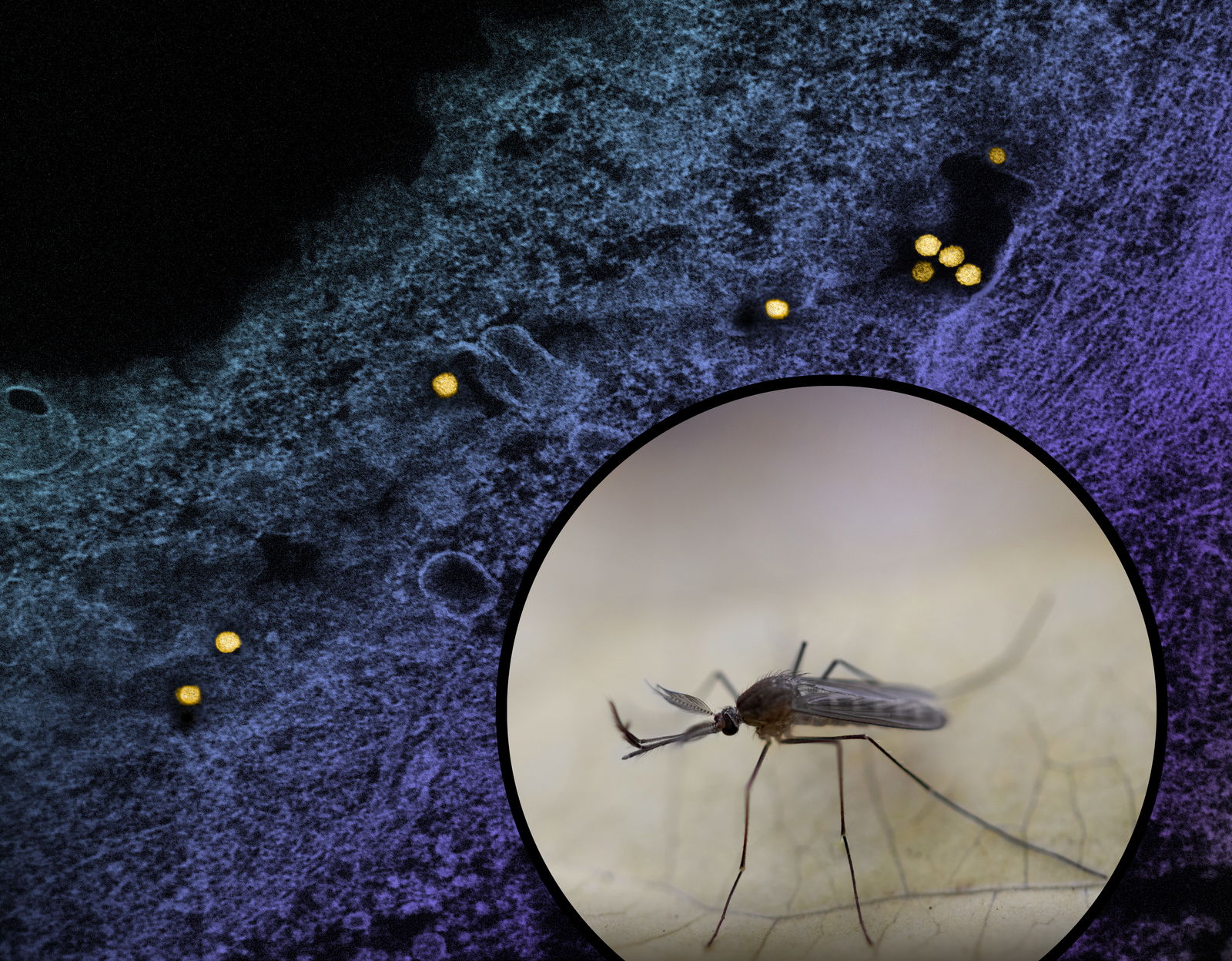
Fig 2. A Culex mosquito alongside a transmission electron micrograph showing West Nile virus particles contained in an infected cell. Image by NIAID via Wikimedia Commons. WNV Symptoms (CDC)
Most people (four out of five) infected with West Nile virus have no symptoms. However, about one in five people who are infected develop a fever with other flu-like symptoms such as headache, body aches, joint pains, vomiting, diarrhea, or rash. Most people with this “mild” illness due to West Nile virus eventually recover completely, but fatigue and weakness can last for weeks or months.
Some experience serious neuroinvasive symptoms. These people develop severe illnesses affecting the central nervous system, such as encephalitis (inflammation of the brain) or meningitis (inflammation of the membranes that surround the brain and spinal cord). Symptoms of severe illness include high fever, headache, neck stiffness, stupor, disorientation, coma, tremors, convulsions, muscle weakness, vision loss, numbness, and paralysis (CDC 2025).
West Nile Virus as a Flavivirus
West Nile, yellow fever, and dengue are all diseases caused by flaviviruses, a group of viruses that inhabit a mosquito’s gut (Wu et al. 2019). Flaviviruses might benefit mosquitoes in several ways, including by manipulating the human or animal host to make them more attractive as readily targetable food sources. Flaviviruses can alter the host’s skin bacteria (microbiota) to produce more acetophenone, which is found in sweet-smelling plants, particularly fruits and vegetables (Zhang et al. 2022).5 Acetophenone is known for its sweet, floral aroma. In summary, the virus (in essence, a gene) can manipulate mosquitoes to certain food sources, both plant (beneficial pre-fall) and animal (detrimental post-fall).
Culex mosquitoes rely on nectar, fruit, and other plant fluids for energy. While primarily known for blood feeding, they can be attracted to various plant resources, including flowers. This means that it may be possible to control mosquito populations through microbiome-based approaches, which could have implications for plant health and pollination. Similarly, genetic engineering allows researchers to modify flaviviruses to express genes that can enhance their ability to target and kill tumor cells. Additionally, they can be engineered to express genes that stimulate the host’s immune system to recognize and fight cancer cells.6 Original flaviviruses may have been made as an immune stimulator and regulate the overgrowth of cells.
Mosquitoes Defined and Compared
Mosquitoes vs. Midges
Mosquitoes are insects in the family Culicidae. They are small, gnat-like flies consisting of about 3,600 species. Mosquitoes generally have a slender segmented body: one pair of wings with hairs, three pairs of long hairy legs, and a proboscis, which is a specialized, highly elongated, piercing sucking mouthpart. All mosquitoes drink nectar from flowers. Most females have, in addition, adapted to drink blood. Midges (family Chironomidae) are often confused with mosquitoes because of their similar appearance. They are the same size, swarm the air at about the same time, and are both sometimes considered gnat-like flies. Additionally, both midges and mosquitoes play key roles in ecosystems. However, midges lack a proboscis and do not bite people or animals, and they sometimes have clear (rather than hairy or scaled) wings. And unlike mosquitoes, midges generally swarm.
Three Important Mosquito Genera and Their Diseases
There are three important genera of mosquitoes that carry human pathogens and parasites. They are Aedes sp. (e.g., A. aegyptii), Anopheles (e.g., A. gambiae), and Culex (e.g., Culex pipiens). We discuss a representative from each group to illustrate the devastating effects of the “cargo” of these vectors.
-
Aedes aegypti is the vector of dengue fever. It has a domestic and a forest form. It carries dengue virus, which is a flavivirus (ss. RNA). The disease is global but at a crisis level in Brazil and other parts of Latin America and the Caribbean, including Puerto Rico.
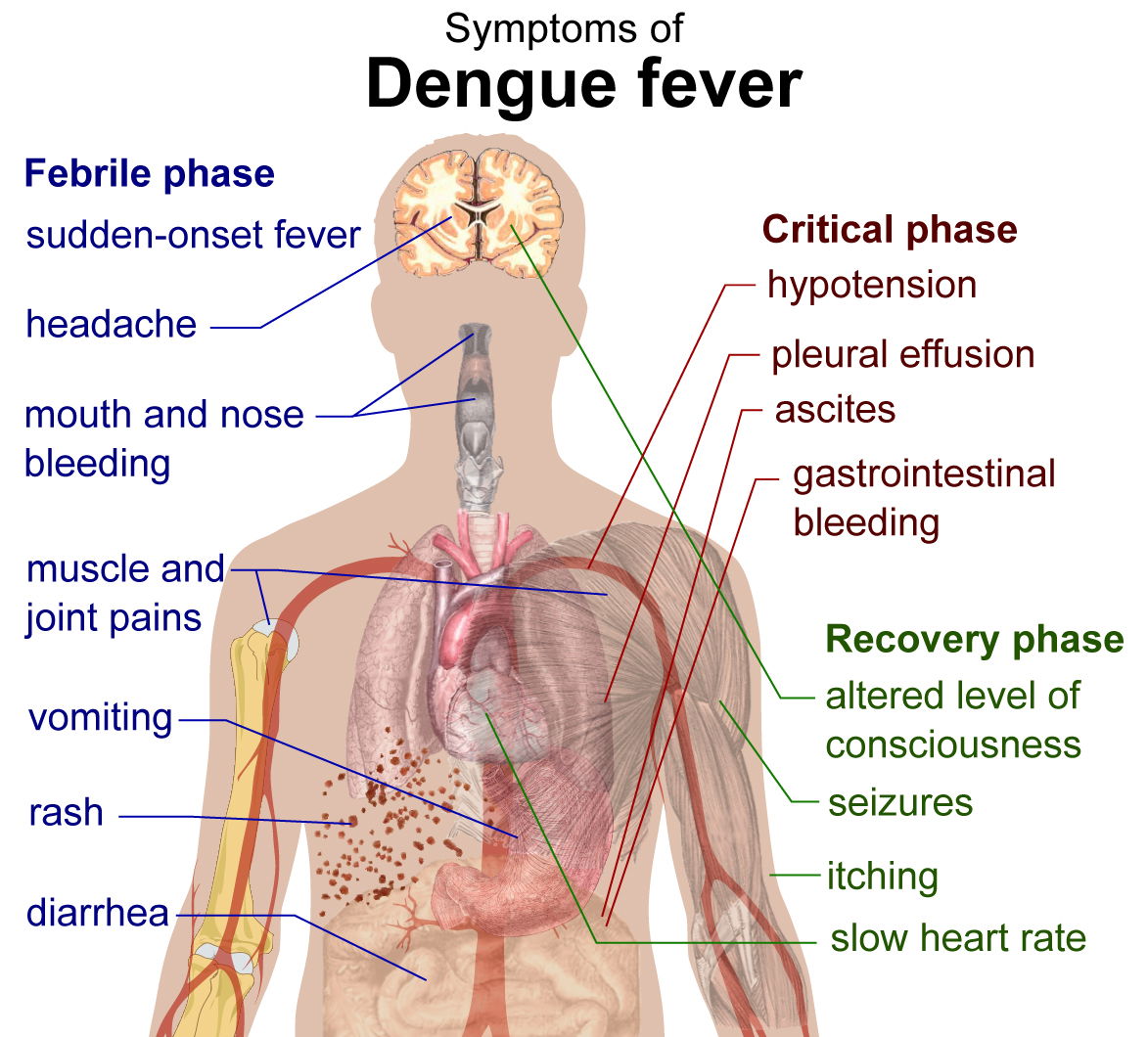
Fig 3. Common symptoms of dengue fever. Image by Mikael Häggström via Wikimedia Commons.
-
Anopheles is the genus of mosquitoes that transmits malaria. A. gambiae is “the most dangerous animal on earth due to its direct contribution in killing nearly 2 million children annually. Through this vector, malaria infects 200 million people per year in Africa. A. gambiae is the vector for the most deadly species of malaria, Plasmodium falciparum.” (Gillen and Sherwin 2016)
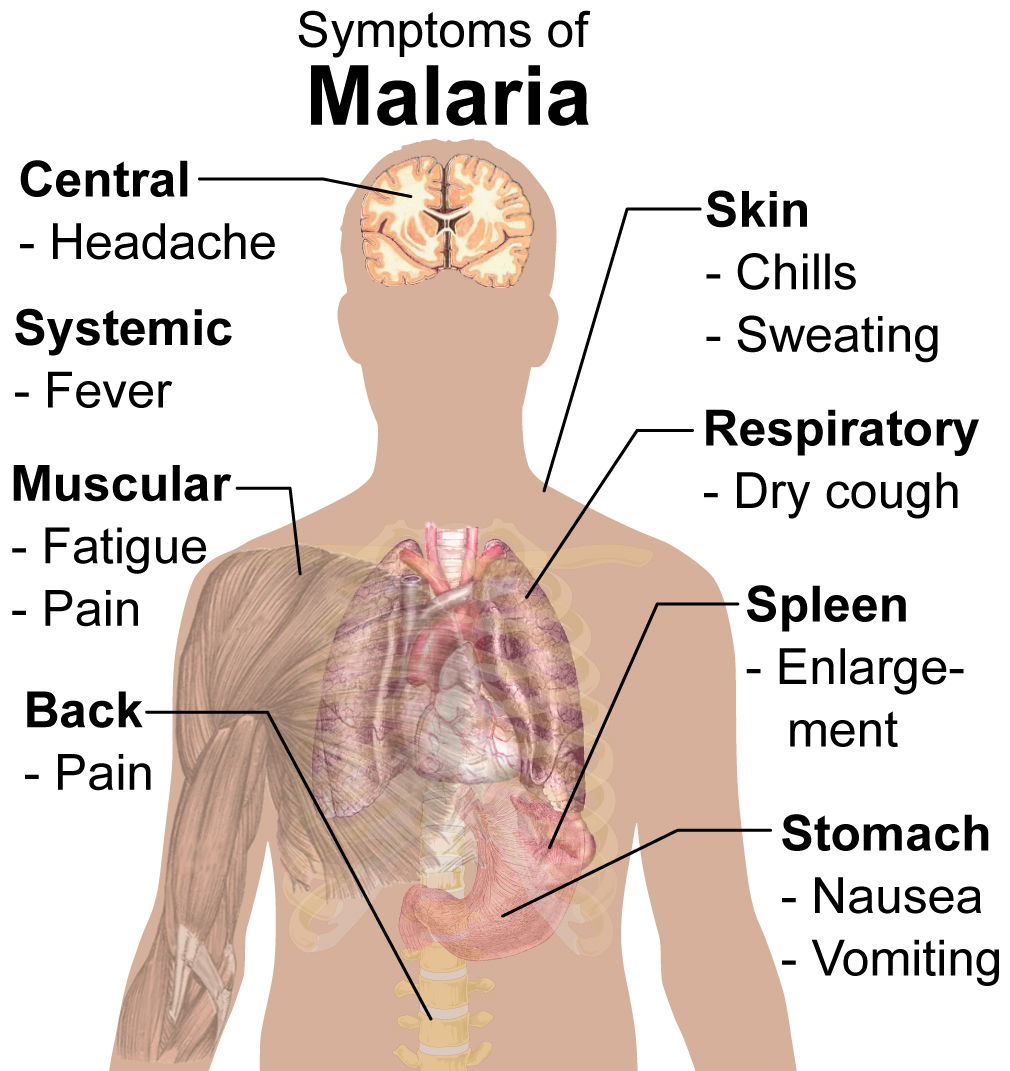
Fig 4. Common symptoms of malaria. Image by Mikael Häggström via Wikimedia Commons.
-
Culex pipiens (and related species carry West Nile virus (a flavivirus). It is the leading mosquito-borne disease in the US and is now popping up in the United Kingdom.
The three primary groups of mosquitoes have distinct anatomical, ecological, disease, and behavioral traits (Tables 1 and 2) (Spielman and D’Antonio 2021). Designed structures often predict purposeful functions. Some of these interesting characteristics predispose each to their specific consequential pathogens.
Table 1. Fast Facts Comparing Major Mosquito Genera
| Feature | Aedes Mosquito (Dengue) | Anopheles Mosquito (Malaria) | Culex Mosquito (West Nile Virus) |
|---|---|---|---|
| Size | Smaller, generally 3–5 mm | Larger, often 5 mm or more | Medium/larger, ranging 4–10 mm |
| Body Shape | Tend to be thicker, with a humpbacked appearance when resting | More slender and elongated, resting with body parallel to the surface | More slender and elongated, resting with body and head hunched over |
| Legs | Often have distinct black and white stripes | Lacking distinctive patterns on legs | Lacking distinctive patterns on legs |
| Wings | May have spotted wings | Wings lack copper color at the tips | Wings are transparent |
| Ecotype/Niche | Primarily urban; standing water; some jungle species | Primarily rural (sylvatic) and savanna (intermediate); some urban species | Primarily urban; standing water and polluted water (organic matter) |
| Biting Habits | More active during the day, especially in the morning and afternoon | More active during the late evening and nighttime | More active during the late evening and nighttime |
| Disease Transmission | Transmit viral diseases like dengue, yellow fever, Zika virus, and chikungunya | Transmit protozoan malaria, a parasitic infection | Transmit diseases like West Nile virus and filariasis (elephantiasis) |
(CDC 2022, CDC 2020, 2021, all accessed June 2025)
Aedes aegypti: The Navy
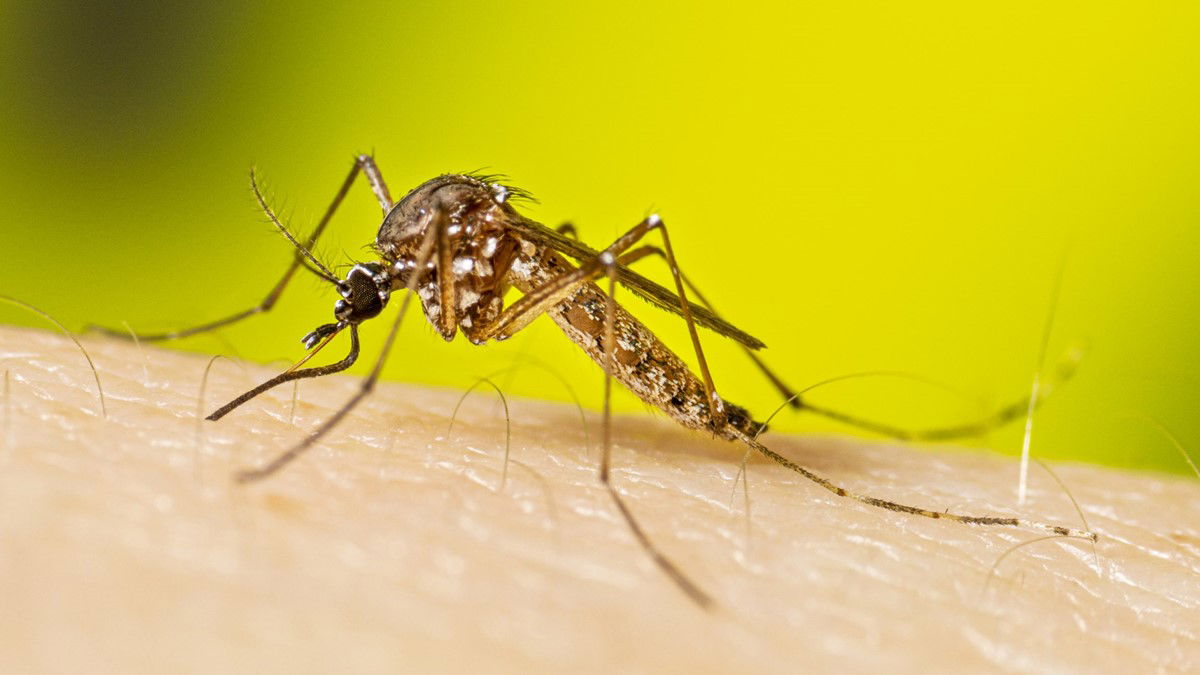
Fig 5. A female Aedes aegypti mosquito feeding on human blood, according to the CDC.
Aedes aegypti are known to be poor fliers, perhaps because of their thicker-than-normal bodies. They (comparable to the Navy) will travel on boats or tires (or any moving object) to new locations, spreading their virus, specifically dengue fever, in South America and the southern portion of America.
The eggs of these species are known to be very resilient when drought occurs, as they can survive for long periods without water. Perhaps this trait allows the A. aegypti to breed more easily in small containers with little or no water during extended periods of transportation, which would further support the traveling and hitchhiking that these mosquitoes are so renowned for.
If attempting to identify one of these travelers, look for a jet-black body with white (or silver) lines across the body, translucent wings, and a pointed end to the abdomen (Fig. 5).
Anopheles: The Air Force
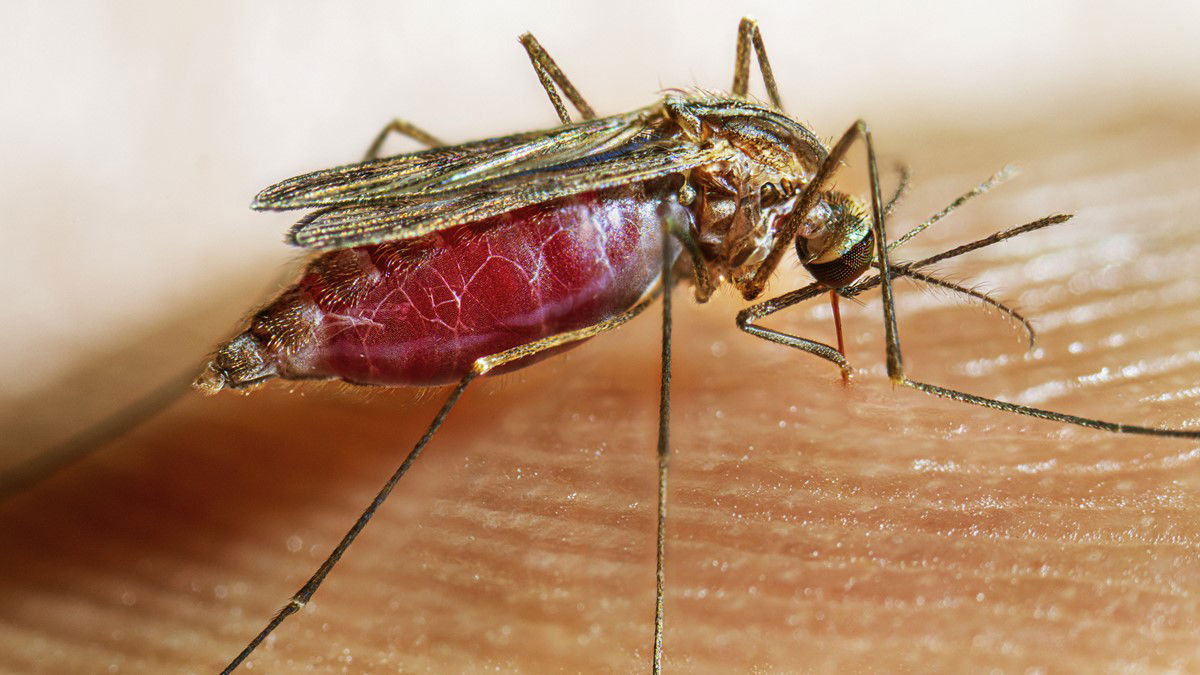
Fig 6. A female Anopheles gambiae mosquito feeding on human blood, according to the CDC.
Anopheles (Fig. 6) can fly long distances (comparable to the Air Force) and facilitate widespread vectorial capacity for different species to breed. Their flight ability enables a dangerous mosquito (A. gambiae) to widely spread a lethal malarial parasite.
Although these mosquitoes are comparable to the Air Force, their eggs are made with flotation devices so that they can float in the water. These long-traveling mosquitoes are fierce, biting at any chance, which makes them highly aggressive and dangerous as they often harbor malaria in certain regions of the world. Although Anopheles is the smallest mosquito of the primary groups, it is among the most dangerous and has historically killed billions of people as the agent of malaria.
Anopheles are known for being smaller in size and their bodies have a brown to black color. Their wings have spots on them, and their abdomen has a blunt end. If attempting to discover a more noticeable characteristic, look closely at the proboscis and palps to notice that the proboscis and the palps are equal in length. Comparably, Culex and Aedes will have shorter palps than their proboscis. When feeding, the palps will be raised, and the body will be facing in the same direction as the proboscis.
Culex: The Army or Marines
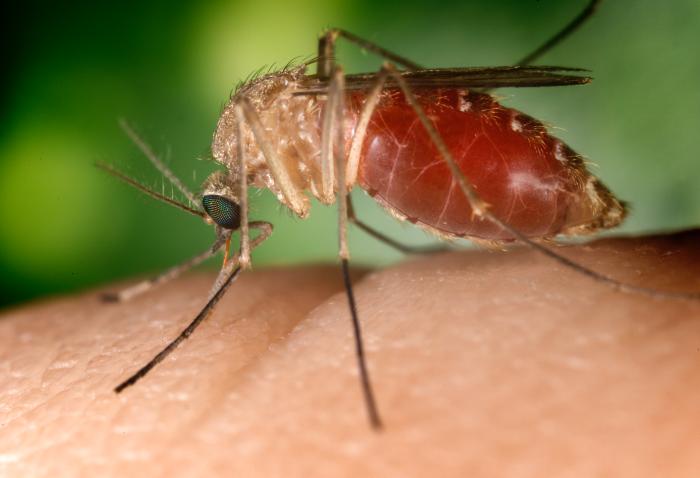
Fig 7. A female Culex quinquefasciatus mosquito feeding on human blood. Image by CDC/Jim Gathany via Wikimedia Commons.
Culex (Fig. 7) are often perceived as strong soldiers (or those in the Army or Marines) because of their resilience through winters and harsh conditions. Within the genus Culex, C. pipiens are those that are known to be the “house mosquitoes.” Unlike the Anopheles mosquito, Culex will reside near where they first hatched and not travel very far. Most will remain within a mile or two of their breeding sites.
To identify a Culex mosquito, look for clear, brown wings, white lines on the upper surface of its brown abdomen, and blunt ends of its abdomen. Culex females will lay eggs on a raft, which will float on the surface of the water before hatching. Unlike some other mosquito species, they can survive and overwinter in protected places like sewers, crawl spaces, and basements. If you find a mosquito in the house, it is likely a Culex pipiens, which has survived harsh conditions to make it in. These harsh conditions became worse if it introduced the West Nile virus, for which it is renowned for spreading. This insect should be swatted at first chance before more cases surge within the United States or the UK.
Table 2. Fast Facts Comparing Major Mosquito-Borne Diseases
| Symptoms | Dengue | Malaria | West Nile Virus |
|---|---|---|---|
| Fever | Sudden high fever | Feverish “attacks” followed by intense chills that shake the whole body | High fever |
| Joint and Muscle | Severe “breakbone” type aches | Headache and muscle aches | Body aches |
| Eye pain | Severe pain behind the eye | No pertinent pain mentioned | N/A |
| Gastrointestinal symptoms | Nausea, vomiting, and bloody stool | Nausea, vomiting, diarrhea, and abdominal pain | Nausea and vomiting |
| Glands | Swollen | Not swollen glands, but hepatosplenomegaly is recorded | Swollen glands in those who are not asymptomatic |
| Rash | Appears 3–4 days after fever begins | Area of mosquito bite is often itchy | May occur in those who are not asymptomatic |
(CDC 2022, CDC 2020, 2021, all accessed June 2025)
Zooming In: Microbiome, Matrix of Life & Mycology of Culex territans
Culex territans, a common woods mosquito near my house, is known to feed on amphibians, including frogs (Fig. 8). While they can transmit some pathogens to frogs, they are not typically considered vectors of diseases in humans. (Occasionally, they have caused disease in the south, such as encephalitis).
The relationship between these Culex mosquitoes, frogs, and fungi is complex and involves a dynamic interplay between the environment, the host organisms (mosquitoes and frogs), and their respective microbial communities. In the matrix of life, all things were created for good, and the microbiome of animals has a dynamic ecosystem role. The fungi play a role in mosquito health and behavior, and their presence can be influenced by the aquatic environment and interactions with other organisms, like frogs. Each is needed for a proper functioning environment.
Although the original design of exact microbiome species composition is somewhat effaced, its good role is not erased.
Culex territans has been shown to transmit the pathogenic fungus Batrachochytrium dendrobatidis (Bd), which causes amphibian chytridiomycosis (Reinhold et al. 2023). While studies have focused on Bd, limited research has explored the mosquito’s ability to transmit other fungi, including Penicillium, a beneficial mold that has antibiotic properties and ecological benefits. The mosquitos have vectorial capacity to transmit both pathogenic fungi and nonpathogenic, beneficial fungi in a post-fallen world. They have a dual role. Although the original design of exact microbiome species composition is somewhat effaced, its good role is not erased.
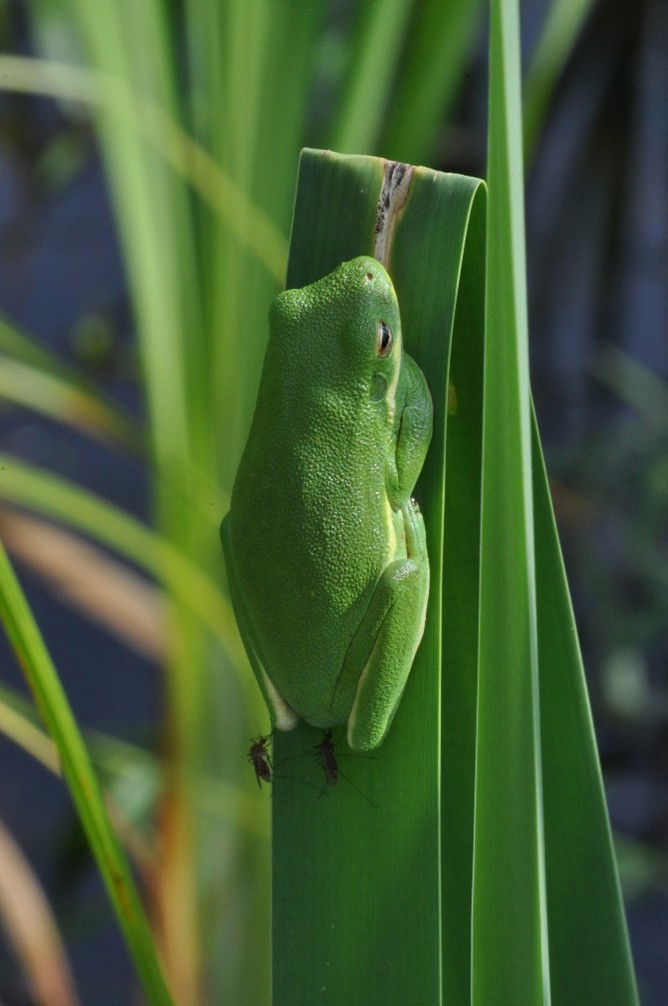
Fig. 8. Culex territans, a common woods mosquito biting a green tree frog. Photo courtesy of Paul Sattler, PhD Liberty University Professor of Biology.
Summary and Conclusion
More than 3,500 mosquito species are known around the world, yet only a fraction are vectors of disease. There are about 200 species of mosquitoes in the US, with only about 12 species causing disease.7 Globally, there are 41 genera of mosquitoes, with only Anopheles transmitting human malaria. Two major species of Aedes carry pathogens and parasites. Culex has three common species that carry viruses. While over 100 Anopheles species are known to be able to transmit malaria to humans, only 30–40 species commonly do so among the approximately 430 species.
Mosquitoes are abundant in most ecosystems and are very important sources of food for small fish (which in turn feed game fish), amphibians, reptiles, birds, and small mammals (including bats). They are all essential for total balance in the ecosystem. They are pollinators of flowering plants as well. When the mosquito feeds on nectar, it transfers pollen from other flowers.
Although only a few plants (like specific orchids) may depend upon mosquitoes for pollination, many of the flowers of the field may not be arrayed in the original good design they had prior to the curse after Adam’s sin. Aedes communis is a common pollinator of snow melt orchids in New Jersey and Pennsylvania in the US. Anopheles annulipes are one of the very few possible pollinators of orchids in Australia. Perhaps some midges (family Chironomidae) might substitute pollination or other plant roles.
Mosquitoes probably affect our planet more than we can imagine. Whether or not humans would be better off without them is difficult to predict. What would the world be without mosquitoes is only speculation: less disease but less biodiversity and flowers. Again, most mosquitoes are not vectors of human disease—only a minority are. Perhaps, careful mosquito control on the most notorious vectors is the effort that man should make in keeping dominion over the earth, yet preserving the species that do good.
The world is deeply impacted by mosquitoes and the pathogens that they carry (see Gillen, Childs, Goin, McKinney 2022; Gillen and Sherwin 2016). For malaria (Gillen and Sherwin 2013), it was proposed Plasmodium could be a possible alga species, whereas in birds, Plasmodium reticulum has a commensal relationship (in chronic phases) that could act as an immune stimulant. Low levels of Plasmodium may help the mosquito survive (Carr et al. 2021). These mosquitoes carry pathogens that have a broad spectrum of impact on the world, and not all of them are negative. Creation biologists have been attempting to comprehend the world before malaria and its dreadful impact for over a decade. One ongoing research question is how probiotic microbiomes could have turned to those that are pathogenic and parasitic.
For those trying to prevent mosquito-borne diseases, understanding the mosquito’s microbiome helps with strategies and engineering to keep the pathogens and parasites out and replace them with good commensals.
On August 20, Mosquito Day, the date on which Ronald Ross (a Christian and Nobel Prize winner) made his groundbreaking discovery, we are reminded that many Christians have followed the example of our Savior by playing a part in mitigating the dangers of vector-borne diseases in the ongoing efforts to combat the world’s deadliest creature, the mosquito.
And in the renowned words of Ronald Ross, “He is the Lord of light; He is the thing that is—He sends the seeing sight; and the right mind is His” (Gillen 2020, 61).
References
Carr, Ann et al. 2021. “Transcriptome Profiles of Anopheles gambiae Harboring Natural Low-Level Plasmodium Infection Reveal Adaptive Advantages for the Mosquito.” Scientific Reports 11. https://www.nature.com/articles/s41598-021-01842-x.
Centers for Disease Control and Prevention. 2022. “Aedes aegypti.” Mosquito Life Cycle. Accessed April 20. Archived June 28, 2022, at https://web.archive.org/web/20220628064555/https://www.cdc.gov/dengue/resources/mosquitolifecycle.pdf.
Centers for Disease Control and Prevention. 2022. “Lifecycle.” About Malaria—Biology. Last modified July 16. Archived August 8, 2022, at https://web.archive.org/web/20220808214533/https://www.cdc.gov/malaria/about/biology/index.html.
Centers for Disease Control and Prevention. 2020. “Mosquitoes in the United States.” About Mosquitoes. Last modified March 5. Archived September 14, 2021, at https://web.archive.org/web/20210914112356/https://www.cdc.gov/mosquitoes/about/mosquitoes-in-the-us.html.
Centers for Disease Control and Prevention. 2021. “At-a-Glance.” West Nile Virus. Last modified July 7. https://www.cdc.gov/westnile/.
Francis , Joe. 2008. “The Matrix—Life’s Support System.” Answers Magazine 3, no. 3 (July–September). https://answersingenesis.org/biology/microbiology/the-matrix/?srsltid=AfmBOorXlX-NTu8jmz8x8Jxca_XlHTt8tnixernkGifcn7bTAkYCSyx3.
Gillen, A. L. 2020. The Genesis of Germs: Disease and the Coming Plagues in a Fallen World. Green Forest, AR: Master Books.
Gillen, A. L. and F. Sherwin. 2013. “The Genesis of Malaria.” Answers in Genesis. June 19. https://answersingenesis.org/biology/disease/the-genesis-of-malaria/.
Gillen, A. L. and F. Sherwin. 2016. “The Design of the Mosquito and Its Dangers.” Answers in Depth 11. August 11. https://answersingenesis.org/biology/disease/design-mosquito-and-its-dangers/.
Gillen, A. L., S. Childs, M. Goin, and K. McKinney. 2022. “Why Are There So Many Mosquitoes?” Answers in Genesis. June 22. https://answersingenesis.org/creepy-crawlies/why-so-many-mosquitoes/.
Reinhold, J.M., E. Halbert, M. Roark, S. N. Smith, K. M. Stroh, C. D. Siler, D. S. McLeod, and C. Lahondère. 2023. “The Role of Culex territans Mosquitoes in the Transmission of Batrachochytrium dendrobatidis to Amphibian Hosts.” Parasites & Vectors 16 (1): 424. https://doi.org/10.1186/s13071-023-05992-x. PMID: 37974288. PMCID: PMC10655354.
Spielman, Andrew, and Michael D’Antonio. 2021. Mosquito: A Natural History of Our Most Persistent and Deadly Foe. New York: Hyperion.
Wu, P., P, Sun, K. Nie, Y. Zhu, M. Shi, C. Xiao, H. Liu, Q. Liu, T. Zhao, X. Chen, H. Zhou, P. Wang, and G. Cheng. 2019. “A Gut Commensal Bacterium Promotes Mosquito Permissiveness to Arboviruses.” Cell Host & Microbe 25: 101–112.e5.
Hong Zhang, Yibin Zhu, Ziwen Liu, Yongmei Peng, Wenyu Peng, Liangqin Tong, Jinglin Wang, Qiyong Liu, Penghua Wang, Gong Cheng. “A Volatile from the Skin Microbiota of Flavivirus-Infected Hosts Promotes Mosquito Attractiveness.” Cell 185 (14): 2510–2522.e16.
Answers in Depth
2025 Volume 20
Answers in Depth explores the biblical worldview in addressing modern scientific research, history, current events, popular media, theology, and much more.
Browse VolumeFootnotes
- John, Kenneth, “Texas Heatwave 2025: Record-Breaking Temperatures Strain Health & Power Systems,” The Network Journal, May 17, 2025, http://tnj.com/record-breaking-texas-heatwave-may-2025/; Amy Graff, “101 Degrees in May? Even for Texas, This Is Hot,” The New York Times, May 14, 2025, https://www.nytimes.com/2025/05/14/weather/texas-heat-record-may.html.
- Even now, there are many species of mosquitos that are autogenous, meaning they do not take in blood meals to support their overall energy requirement or for egg development. See Alan Gillen and Frank Sherwin, “The Design of the Mosquito and Its Dangers,” Answers in Depth 11, August 11, 2016, https://answersingenesis.org/biology/disease/design-mosquito-and-its-dangers/.
- Texas Health and Human Services, “Public Health Officials Confirm First Case of West Nile of 2025,” July 2, 2025, https://www.dshs.texas.gov/news-alerts/public-health-officials-confirm-first-case-west-nile-2025.
- Hunter, Paul, “Scientists Discover West Nile Virus in the UK for the First Time,” Science Alert, May 26, 2025, https://www.sciencealert.com/scientists-discover-west-nile-virus-in-the-uk-for-the-first-time.
- They achieve this by suppressing the expression of a specific protein, RELMα, which is essential for controlling the growth of acetophenone-producing bacteria. This suppression of RELMα allows certain bacteria, such as those in the genus Bacillus and Staphylococcus on the skin to produced more on the skin. See diagram from this article: https://www.cell.com/cell/pdf/S0092-8674(22)00724-3.pdf.
- Nazarenko, Alina S., Vorovitch, Mikhail F., Biryukova, Yulia K., Pestov, Nikolay B., Orlova, Eka A., Barlev, Nickolai A., Kolyasnikova, Nadezhda M., Ishmukhametov, Aydar A., “Flaviviruses in AntiTumor Therapy,” Viruses 15, no. 10 (September 2023): 1973, https://doi.org/10.3390/v15101973.
- Centers for Disease Control and Prevention, “About Mosquitoes in the United States,” June 4, 2024, https://www.cdc.gov/mosquitoes/about/about-mosquitoes-in-the-united-states.html.

Support the creation/gospel message by donating or getting involved!

Answers in Genesis is an apologetics ministry, dedicated to helping Christians defend their faith and proclaim the good news of Jesus Christ.
- Customer Service 800.778.3390
- Available Monday–Friday | 9 AM–5 PM ET
- © 2026 Answers in Genesis