



Science News
Over the last 20 years, science has grown in innovation and discovery, allowing us to know more about the universe than ever before. Each new finding showcases God’s handiwork—and the evidence of a fallen world. But the news reports often tie in naturalistic worldviews, evolutionary beliefs, or doomsday climate predictions. That’s why, from the first issue of Answers magazine, we’ve discussed science topics that have recently been in the news. Answers offers a biblical perspective on these news items, helping you build a foundation on which to carefully consider scientific updates from a biblical worldview.
The Coolest Coat on Earth
Polar bear fur is more than just fluff—it’s frost-resistant! The bear’s fur is resistant to freezing, even after getting wet, a real plus in the bear’s frigid environment. Nano-physicist Bodil Holst recently learned why.
Polar bear fur has a unique combination of greasy compounds that keep it from freezing. When Holst and her team washed the bear hair of its greasy compounds, it lost most of its anti-icing capability. Researchers hope this finding will inspire the development of new anti-icing technologies.
Even in the frigid places polar bears call home, God equipped his creation with genetic diversity and traits to help them adapt to the extreme environments that came about after the flood. In his grace, he allows us to use features of creation to design new technologies that improve our lives in a fallen—and, in some places, frozen—world.

Rodent Resuscitation
Researchers recently observed mice giving “CPR” to other mice. During a study by neuroscientists at the University of Southern California, when one rodent was unconscious or anesthetized, the conscious rodent would open its companion’s mouth and pull out its tongue, perhaps to clear its airways. The study found that this display of first aid is driven by the hormone oxytocin, which drives caring behaviors in other species, too.
We shouldn’t anthropomorphize these pintsized paramedics, but we can marvel at how the tongue-pulling instinct mirrors a much greater mercy—the marvelous way God designed creatures to survive in a fallen world.
Expanding Universe
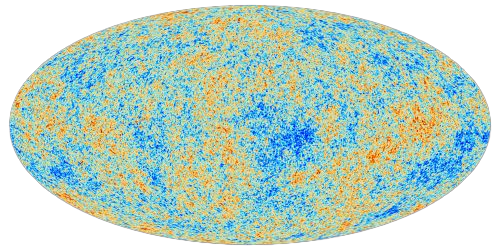
This map shows microwave radiation filling the space in the observable universe.
Photo by NASA, JPL, ESA and the Planck Collaboration.
Two decades ago, the first issue of Answers reported on so-called evidence for an inflated universe. The idea of cosmic inflation proposes that less than a second after the big bang happened, the universe briefly and rapidly expanded or inflated.
This theory is not the same idea as an expanding universe, which has recently been in the news. According to secular scientists, new measurements show that the universe is expanding too quickly to fit models, challenging the secular understanding of physics. These discoveries, however, are not surprising to creationists. The Bible says that God stretches out the heavens (Isaiah 40:22 and Job 9:8), suggesting that the universe has been expanding since its creation.
Back from Extinction?
It sounds like something from a science fiction film. Recent news reports claim that scientists from a biotech company called Colossal Biosciences have supposedly brought back dire wolves, a species of extinct canine, claiming it as the first successfully “de-extincted” animal.
Presumably, scientists created three dire wolf pups by extracting DNA from preserved remains and cloning and editing the genes of a gray wolf. But scientists have pushed back on the outlandish claim, saying that these so-called dire wolves are simply gray wolves that have been genetically engineered with a few characteristics that they believe resemble dire wolf characteristics. Though this outcome has been overhyped, the scientific advancement might have positive ramifications for future conservation efforts to keep waning species thriving.
The idea of de-extinction raises questions about the role of humans in creation. It is not wrong for us to grieve the loss of creatures, but many today have the unbiblical ideology that nature is good, humans are bad, and at any cost, we should do everything to restore what we have lost. It’s true: God gave humans dominion over the earth and commanded us to care for creation (Genesis 1:28). But that means we should use technology carefully, considering how releasing “de-extincted” creatures, like dire wolves, might disturb—or ravage—current ecosystems.
Caught up in the excitement of scientific advancements, humans often do things because they can, without properly contemplating whether they should. Jurassic Park might be fiction, but there is some truth in the story—bringing animals back from extinction may not be the best care for the creatures, nature, or humans.
Beholding Beauty in Space

Many people enjoy watching the sun set each evening. Now, we get a glimpse of the sun setting in space. Recently, a lunar lander called Blue Ghost captured footage of a stunning sunset from the moon. The footage is evidence that the Creator loves beauty and has filled the universe with it, even in places we may never see.
Rodent Regeneration
Humans can't regrow a limb like some animals, but scientists believe a new finding offers implications for developing regenerative therapies in humans.
Biologists at the University of Kentucky recently found that certain African mice can be added to the list of animals that can regenerate. Spiny mice and brush-furred mice regenerate musculoskeletal tissue when injured, rather than healing their injuries with scar tissue as most mammals do. Since these rodents are closely related, the scientists believe the trait might be genetic. Researchers believe this finding offers potential implications for developing regenerative therapies in humans.
These scientists credit evolution for the rodents’ regenerative abilities, highlighting the importance of studying how the diverse regenerative abilities across species might have arisen across the evolutionary tree of life. Lead researcher Brennan Riddell says, “We can use the evolutionary relationships between these types of rodents to gain a deeper understanding of the ‘why’ of it all.”
But evolution will never answer the “why.” Creatures with regenerative abilities across different kinds possess the ability not because of a common ancestor but because their common Creator instilled those genetic qualities in the original kinds at creation.
Blood-Powered Toes
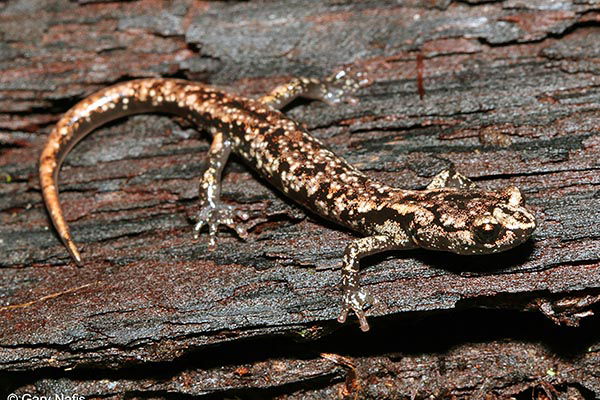
Wandering Salamanders have a toe-tally amazing skill. Living up high in California’s redwoods, the little salamanders fill, store, and drain blood in their translucent, square toes.
Scientists from Washington State University recently discovered that these blood-powered toes fill up just before the salamander takes a step. The researchers compare the salamander’s toes to a balloon; when inflated with blood, there is less contact area between the toes and the surface the salamander is standing on, making it easier for the creature to spring into the air. This discovery could lead to advancements in new adhesives, prosthetics, and robotics. From giant redwood trees to the salamander’s tiny blood-filled toes, all of creation points to a Creator who fills all things with his glory.

Bird Flu Is Back
In our inaugural issue in July 2006, we reported on the recent outbreak of bird flu, or avian influenza. Twenty years ago, headlines like “France Reports Probable Case of Bird Flu” and “Genes Make Bird Flu Virus Deadly, Study Finds” appeared from major news organizations.
In 2025, bird flu is back again, and making headlines like “Bird Flu Is Evolving Dangerously, but We Can Prevent a Disaster” and “Bird Flu Spreads to Mammals, Fears of Human Transmission.”
God created viruses, which were originally part of his very good creation. Many are still beneficial to life today. But in our fallen world, the return of bird flu is not surprising, as we expect to see diseases and illnesses. Yet God has graciously given us the ability to protect ourselves and creation against the effects of sin with various medical treatments. No matter what diseases come and go, we can trust that God is sovereign and nothing takes him by surprise.
All The Better To Hear You With
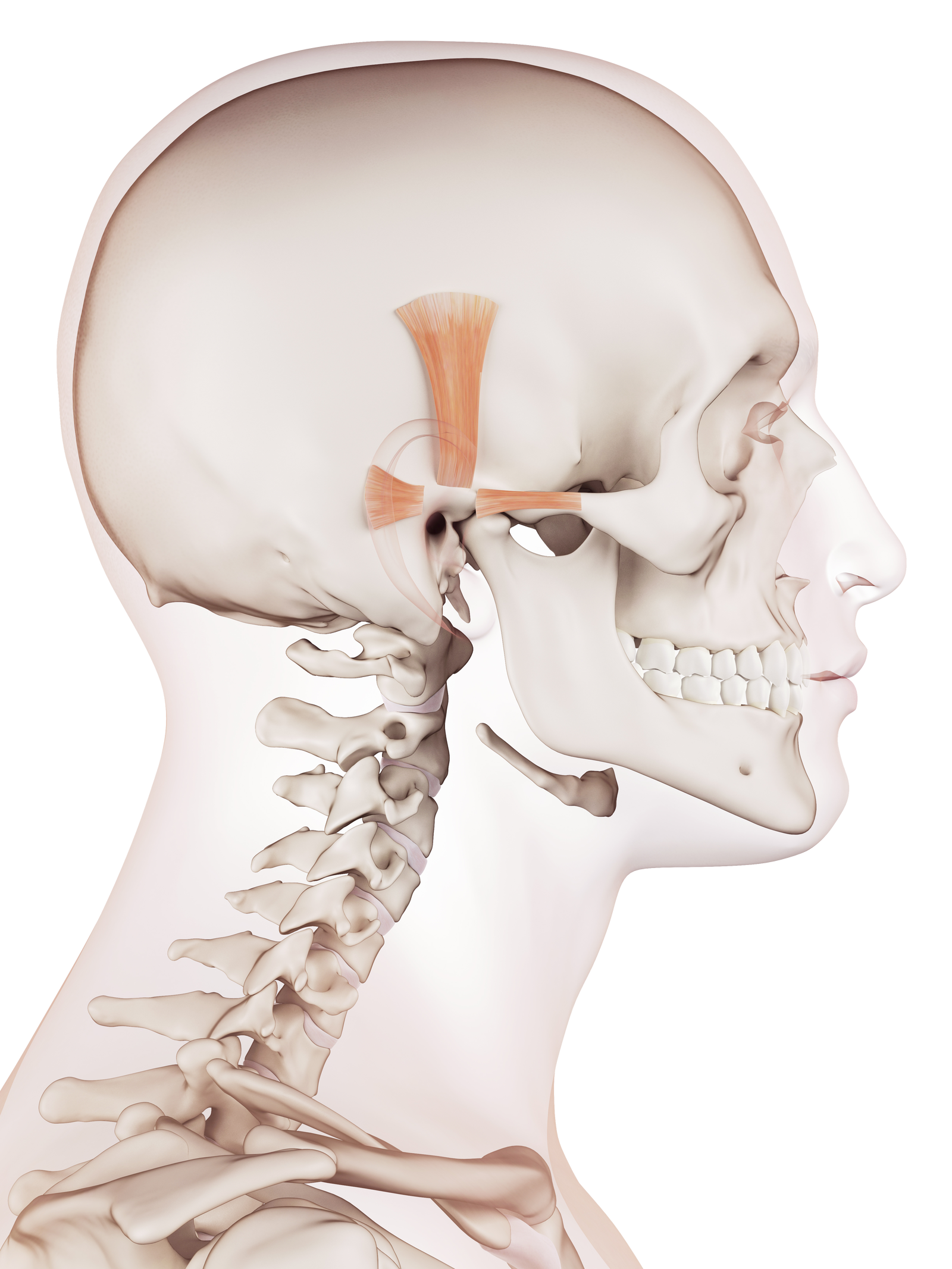
Did you know you are able to listen attentively because of the same muscles that allow some people to wiggle their ears? New research by a team at Saarland University in Germany has found that the auricular (ear) muscles go to work amidst many loud noises to help us zero in on specific sounds. That’s a significant finding because these auricular muscles were previously considered by secular scientists to be vestigial leftovers that helped early humans hear better.
As scientists continue to study the human body, they discover the functions of many so-called vestigial organs. But God created humans and all the organs, muscles, and structures in our bodies with purpose. As they did with the appendix and tonsils, scientists can cross auricular muscles off their list of leftovers.
Answers Magazine
July–September 2025

This anniversary issue celebrates a legacy of unwavering commitment to a biblical worldview and the ongoing impact of creation-based apologetics.
Browse Issue


Support the creation/gospel message by donating or getting involved!

Answers in Genesis is an apologetics ministry, dedicated to helping Christians defend their faith and proclaim the good news of Jesus Christ.
- Customer Service 800.778.3390
- Available Monday–Friday | 9 AM–5 PM ET
- © 2026 Answers in Genesis