

Gopher Makeover
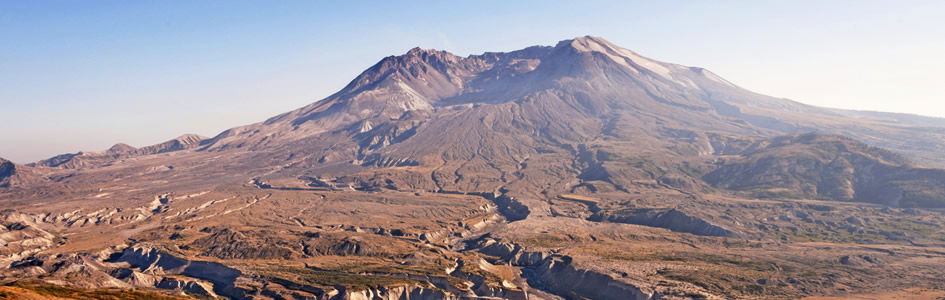
In 1982, two years after Mount St. Helens erupted, a research team helicoptered northern pocket gophers into certain areas within the destruction zone. For one day, the gophers did as gophers do: they dug and defecated.
By stirring up the ash and soil (and fertilizing it), the hardworking mammals cultivated important microorganisms like bacteria and fungi. Their work prepared the ground for seeds dropped by birds over the landscape. The ground cultivated by gophers produced flourishing plants just a year later, while the uncultivated land struggled to sustain growth. More than 40 years later, the gophers’ legacy is an entirely reconstructed ecosystem.
God equipped creation with the ability to rebuild after disasters that he knew would afflict a fallen world. These gophers offer a good example of how life could have thrived and rebuilt the world after the global flood.
Answers Magazine
April–June 2025

There’s a whole world of beautiful places to explore. But what does Jesus’ earthly ministry teach us about truly seeing the world?
Browse Issue
Support the creation/gospel message by donating or getting involved!

Answers in Genesis is an apologetics ministry, dedicated to helping Christians defend their faith and proclaim the good news of Jesus Christ.
- Customer Service 800.778.3390
- Available Monday–Friday | 9 AM–5 PM ET
- © 2026 Answers in Genesis