

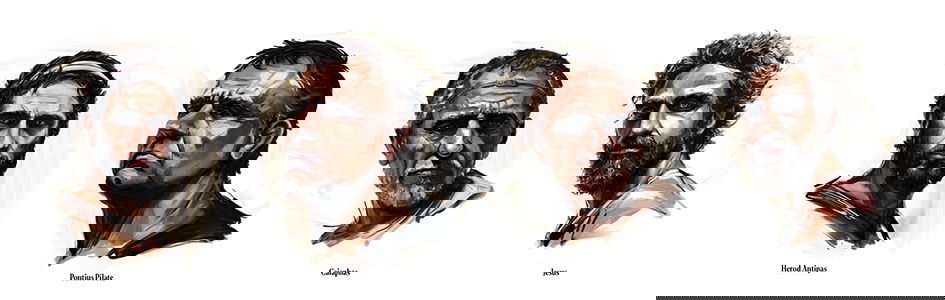
Three Dead Rulers, One Risen King
At this time of year, believers around the world celebrate the resurrection of Christ, the central focus of the Christian faith. The resurrection provides the greatest evidence of Scripture’s veracity—the one sign Jesus said he would show to a rebellious generation (Matthew 12:39). In describing the events leading up to Christ’s death and resurrection, the Gospels include specific details about not only places but also several individuals. At the center of Jesus’ trial and crucifixion stand three major political and religious rulers: Herod Antipas, Pontius Pilate, and Caiaphas the high priest.
Even now, roughly 2,000 years after the resurrection, we continue finding evidence that affirms these events. Just as several remarkable discoveries affirm the details of Jesus’ trial and crucifixion, archaeological and historical evidence surrounding these men correlates with the New Testament record. The wickedness and cowardice of these three human rulers contrast the righteousness of Jesus, the risen king. Though as far as we know these men did not affirm Christ’s deity in their lifetime, the evidence surrounding their reigns proclaim the truth of his existence still centuries after their deaths, even as he reigns forever more.
Dead Ruler #1: Herod Antipas
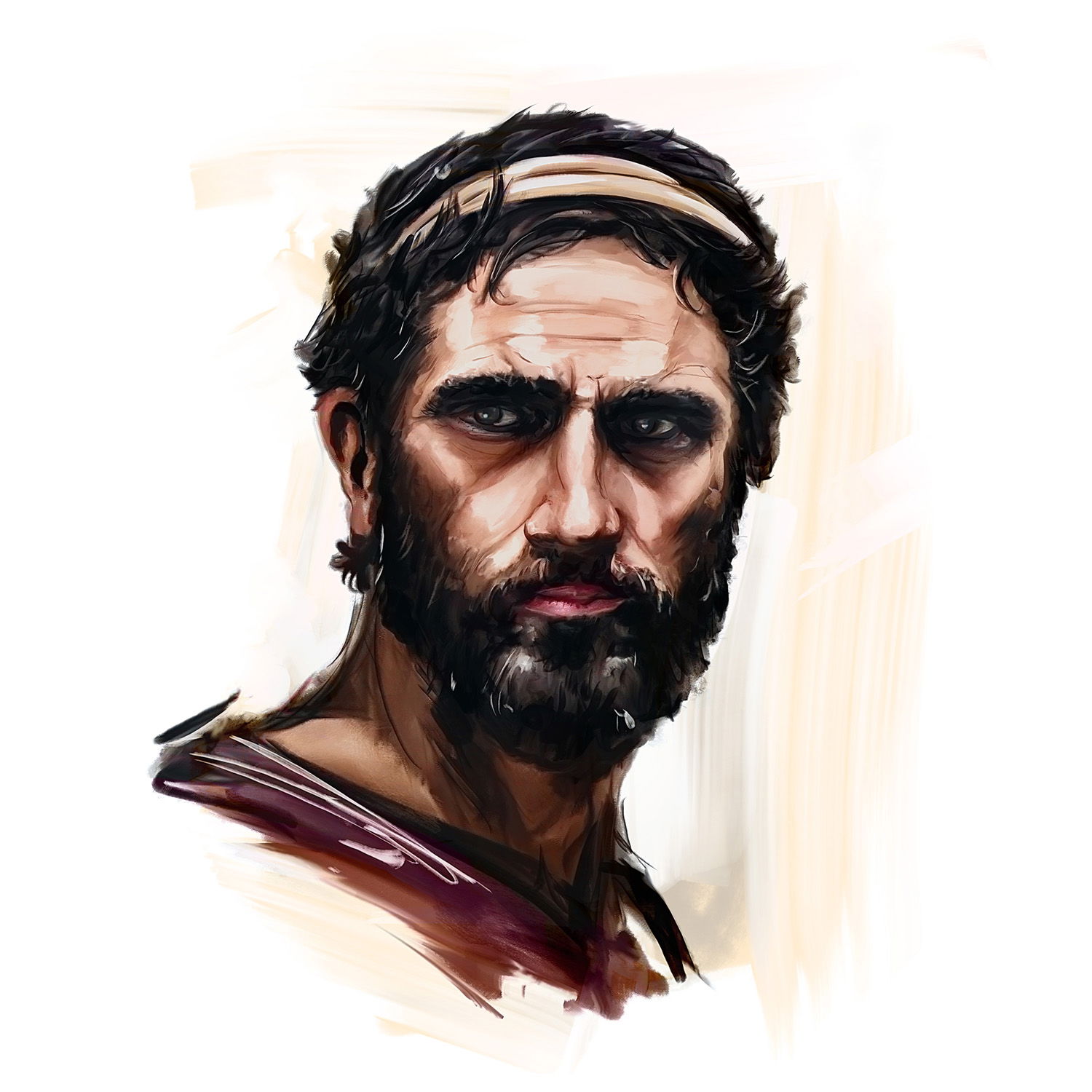
Son of Herod the Great
Tetrarch of Galilee and Perea
4 BC to AD 39
Archaeological Discoveries
- Inscriptions with “Herod Antipas” in Greece
- Several series of coins minted by his regime
- His fortress
- A palace
- The possible location of Herod’s throne
- An open courtyard where Herod’s birthday party took place
After the death of his father Herod the Great (Luke 3:1), Herod Antipas ruled for about 40 years (4 or 1 BC to AD 39) as tetrarch (governor) of Galilee and Perea. He built the new city of Tiberias on the western shore of the Sea of Galilee (John 6:23) in honor of Caesar.1 Archaeologists have discovered inscriptions with his name in Greece2 and several series of coins minted by his regime.3
Antipas is infamous for participating in Jesus’ trial and beheading John the Baptist. John publicly criticized Antipas’ wicked deeds, including his divorce from his first wife (the daughter of Aretas, king of Nabataea) and his subsequent adulterous relationship with Herodias, the wife of his brother Philip (Luke 3:19; Mark 6:17–20). At Herod’s birthday party, Herodias manipulated events through her daughter so that John would be gruesomely beheaded (Matthew 14:1–12).
The Jewish historian Flavius Josephus provides his own record of this event (Antiquities 18.5.1) and specifies that it took place at one of Antipas’ fortresses, Machaerus in modern Jordan. At Machaerus, archaeologists have unearthed his fortress, a palace, the possible location of Herod’s throne, and an open courtyard where Antipas’ birthday party took place.4
Jesus referred to Antipas as “that fox” (Luke 13:32), and for good reason. Antipas previously wanted to kill John but was afraid of the people and their belief that John was a prophet (Matthew 14:3–5). In the knowledge that John was “a righteous and holy man” (Mark 6:20), Antipas’ crime was even more despicable. His apparent lust for Herodias’ daughter as well as his capitulation to sociopolitical pressures and his wife’s manipulations exposed his heart as both malicious and cowardly.
During Jesus’ trial, his true character showed itself once again. After his first appearance before Pilate, Jesus was sent to Antipas (Luke 23:6–7). The ruler was happy to finally meet him (Matthew 14:1; Mark 6:14) until Jesus refused to perform signs and answer Herod’s questions. His attitude quickly turned to mockery and contempt. Herod’s participation in the execution of an innocent man created a bond of friendship between himself and Pilate “that very day” (Luke 23:12). Driven by cowardice and fear, Herod’s wickedness was particularly unique since he was directly involved in the execution of not one but two of God’s holy prophets.
Even in this life, Antipas would not get away with his crimes. His divorce from Aretas’ daughter strained his relationship with Nabataea to the east, who launched an attack against his territory in ca. AD 37. As a result, Antipas fell out of favor with Rome and was stripped of his power, exiled to Spain, and died in obscurity.5
Dead Ruler #2: Pontius Pilate
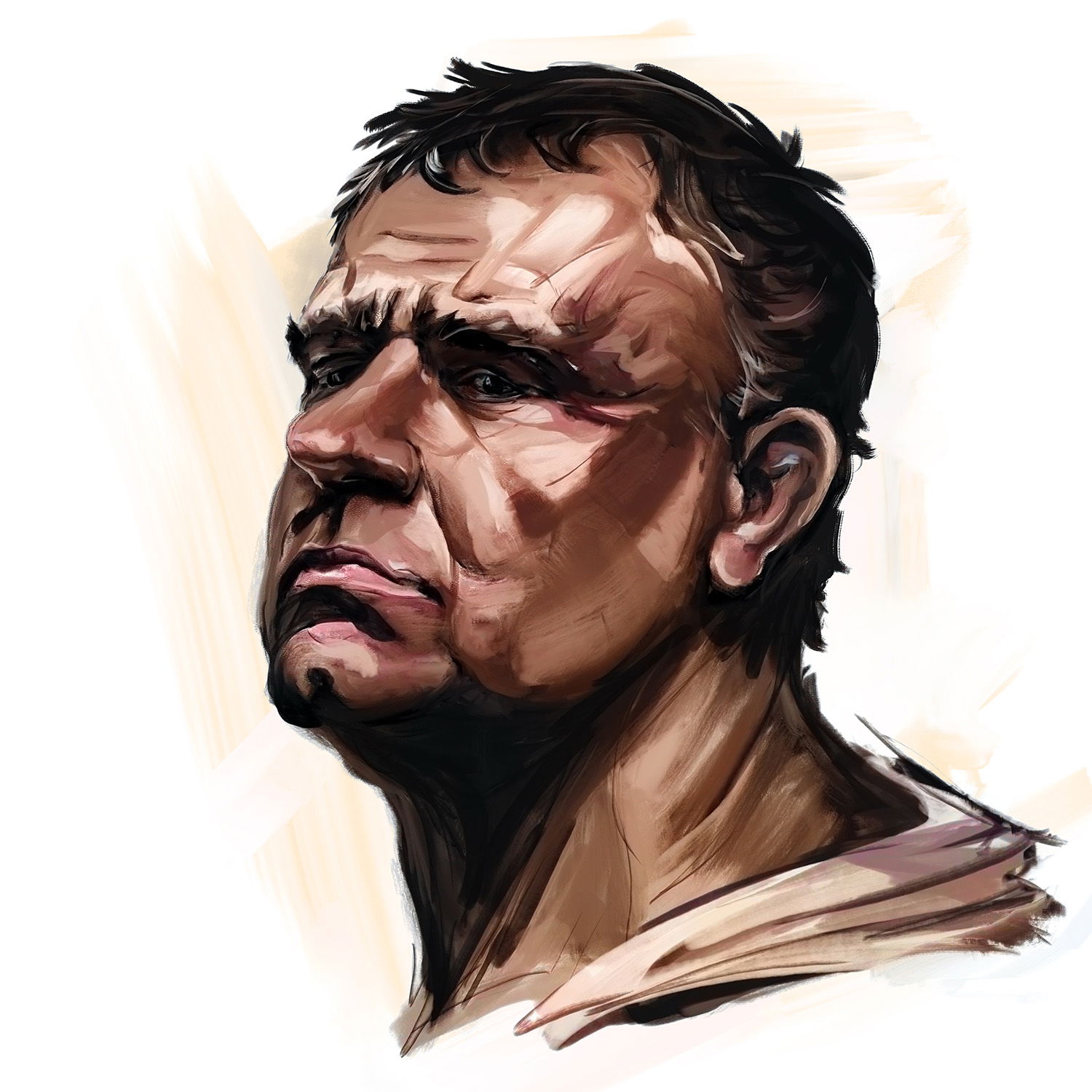
Prefect of Judaea
AD 26–36
Archaeological Discoveries
- A copper ring with the word Pilato (“of Pilate”)
- Coins containing the Roman imperial cult, minted during Pilate’s tenure
- Remnants of Pilate’s headquarters
- Judgment seat
- Pilate Inscription
Pontius Pilate is probably the most famous of the three rulers involved in Christ’s crucifixion. The Jewish philosopher Philo of Alexandria (20 BC–AD 50) reports that Pilate was a cruel and “exceedingly angry” man who executed people without due process and often inflamed the Jews of Jerusalem to anger.6 Luke’s description of Pilate’s malicious character (13:1) agrees with Philo’s, confirming the accuracy of Scripture.
The Roman historian Tacitus (AD 116) writes that “Christus” was crucified by Pilate during the reign of Tiberias Caesar.7 In ca. AD 93, the Jewish historian Flavius Josephus indicates that Jesus was called Christ, he was the brother of James,8 his followers were called Christians, and Pilate crucified him.9
In 1968–69, archaeologists excavating at Herodium (one of Herod the Great’s fortresses) discovered a copper ring. After sitting in storage for decades, it was reanalyzed in 2018 and revealed the word Pilato, “of Pilate.” The name is otherwise unknown, so it most likely refers to the infamous prefect. The ring’s alloy was inexpensive, so it probably belonged to one of Pilate’s administrators, used to seal documents and wine jars collected as tax.10 Coins containing symbols of the Roman Imperial cult were also minted during Pilate’s tenure as prefect of Judaea (AD 26–36).11 From 2009 to 2016, I worked as the administrative director and a square supervisor at the Khirbet el-Maqatir archaeological excavations nine miles north of Jerusalem, where several Pilate coins were discovered.12
In his back-and-forth dialogue between the Jewish leaders and Jesus, Pilate went in and out of his headquarters several times. Remnants of this building—the praetorium (John 18:33, 19:9; Mark 15:16; Matthew 27:27)—have been identified by archaeologists. This same structure served as a palace of Herod the Great13 and is located at the southwestern part of the Old City of Jerusalem.14 Pilate eventually “brought Jesus out and sat down on the judgment seat at a place called the stone pavement” (John 19:13). The stone pavement (Gabbatha in Aramaic) was an outside courtyard complex paved with flat stones next to Pilate’s headquarters. Judgment seats (bema in Greek) were essentially raised platforms used for judicial purposes and are well known from this period. Remarkably, archaeologists discovered one such bema near the praetorium.15
The Pilate Inscription is probably the most famous artifact mentioning the Roman prefect. Discovered in 1961 at Caesarea Maritima on the coast of Israel, this block of limestone had been reused to repair the steps of a theater sometime in the fourth century AD. Archaeologists soon identified and deciphered the Latin inscription: “Tiberieum . . . Pontius Pilate . . . Prefect of Judaea…” This plaque may have been created by Pilate for a temple dedicated to Tiberias Caesar.16 His attempts to curry favor with Rome would eventually end in early AD 37, when he was removed from his post after brutally killing some Samaritans and for executing men without a proper trial.17 Like Antipas, he died in disgrace and became, as church historian Eusebius wrote, “his own murderer and executioner.”18
Pilate said to them, “Then what shall I do with Jesus who is called Christ?” Matthew 27:22
Dead Ruler #3: Caiaphas the High Priest
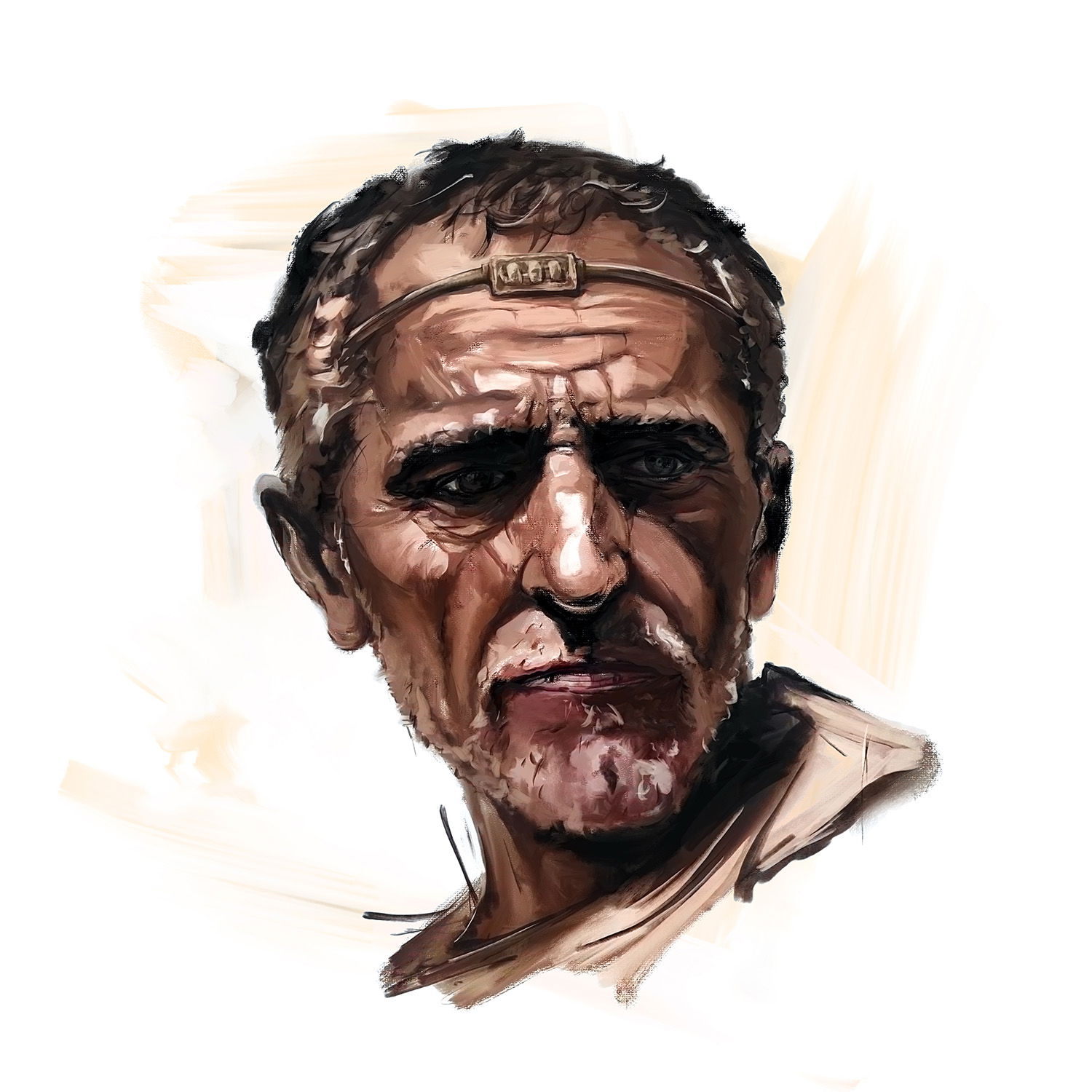
High Priest
AD 18–AD 36/37
Archaeological discoveries
- First-century tomb containing 12 bone boxes, known as ossuaries
- The name of Caiaphas the High Priest inscribed on an ossuary with his bones still inside
And the high priest said to him, “I adjure you by the living God, tell us if you are the Christ, the Son of God.” Matthew 26:63
Caiaphas the high priest presided over Jesus’ trial and represented the religious leadership of Israel and its rejection of the Messiah. According to Josephus, he was installed as high priest by Rome (AD 18 to 36/37) and his full name was Joseph Caiaphas.19 Later in Acts (4:1–6), Caiaphas was part of the Jerusalem leadership who arrested Peter and John but was no longer high priest, in accord with Josephus.
Though both Pilate and Herod were certainly complicit in Jesus’ death through their cowardice and indifference, they did not plan to execute him in advance. They saw no guilt in Jesus and wanted (at least partially) to release him (Luke 23:14–16). Jesus had said to Pilate, “He who delivered me over to you has the greater sin” (John 19:11). Indeed, Caiaphas had prophesied about Jesus’ death (John 11:49–51) yet completely misunderstood the prophecy’s meaning and his own complicity. He hosted the chief priests and scribes in his family home (Matthew 26:3),20 conspiring with them to commit premeditated murder. He accepted false testimony (Matthew 26:59) and dramatically persuaded the council to put Jesus to death (Matthew 26:65–66, 27:1–2).
After the resurrection, Caiaphas led the bribery of the tomb guards to falsely testify that the disciples had stolen the body (Matthew 28:11–15).21 Justin Martyr (AD 100–165) later reported that this lie, originating with Caiaphas’ priestly cabal, was still being actively spread by his religious descendants throughout the known world.22 In truth, Caiaphas’ guilt runs deepest of all.
In 1990, archaeologists discovered a first century tomb outside the walls of Jerusalem containing 12 bone boxes, also known as ossuaries. A year after initial burial, first century Jews would collect the bones of their deceased family members and place them in these ossuaries. One of them bears a Hebrew inscription, “Joseph Caiaphas.” Inside the beautiful and ornate bone box were the skeletal remains of six people, including those of a man about 60 years of age. Based on multiple pieces of evidence, Israeli and Christian archaeologists alike agree the tomb is from the first century and these are the actual bones of Caiaphas the high priest.23 His dried-up bones stand in stark contrast to the resurrected and glorified Messiah whom he was responsible for crucifying.
The Righteous and Risen King
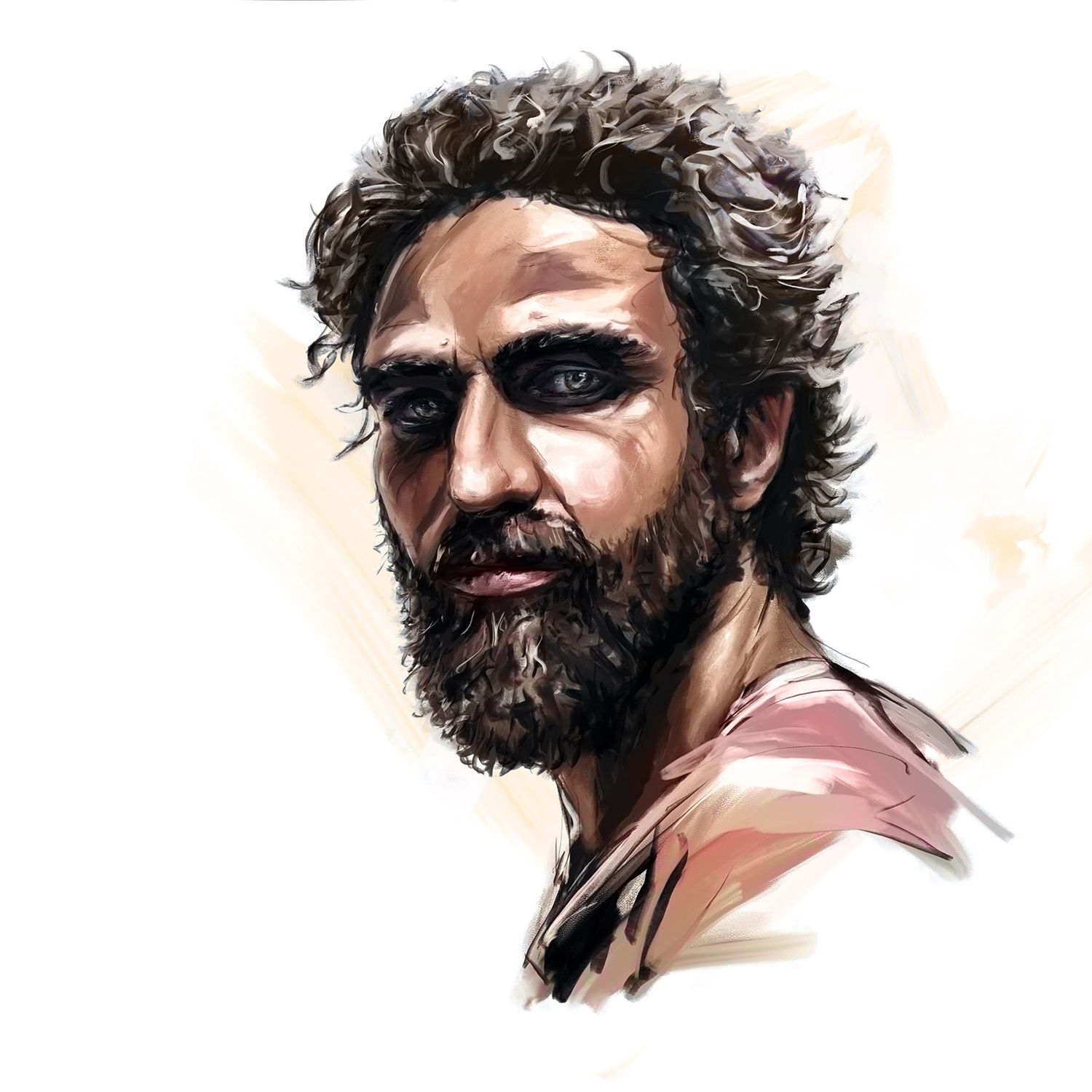
“So you are a king?” Jesus answered, “You say that I am a king. For this purpose I was born and for this purpose I have come into the world—to bear witness to the truth." John 18:37
Several ancient writers allude to the life of Christ, including hostile witnesses who opposed Christianity. For example, Celsus (AD 175) acknowledges the existence of Jesus by mocking the virgin birth. He notes that some Jews believed Jesus was an illegitimate child, that his family went to Egypt, and that Jesus’ father was a carpenter. A Greek satirist, Lucian of Samosata (ca. AD 166), refers to Christians as “misguided creatures” who rejected the Greek pantheon of gods, worshipped the crucified Jesus, followed his teachings, and believed they would live forever. In a letter to Emperor Trajan, the Roman governor Pliny the Younger (ca AD 112) indicated that Christians of the early second century worshipped Jesus in weekly gatherings. Pliny noted that the newly converted Christians had turned away from worshipping the emperor and were attempting to abstain from adultery, theft, and denying Christ.
Two other Roman historians also mentioned Jesus. Suetonius (AD 120) recounted how “Chrestus” [Christ] was the catalyst for the Jews being expelled from Rome during the reign of Claudius (AD 41–54). Similarly, Tacitus (AD 116) describes the Christian preaching of the resurrection as a “mischievous superstition.” He also documents Nero’s persecution of Christians and how “Christus” was crucified in Judea by Pontius Pilate during the reign of Tiberius Ceasar (AD 14–37).24
After Jesus’ resurrection, the chief priests and elders spread the lie that Jesus’ disciples had stolen his body from the tomb while the Roman guards were asleep (Matthew 28:13–15).25 Reports of the resurrection quickly spread across Israel and the larger Mediterranean world. Public disturbances rooted in resurrection preaching, such as those in Iconium and Lystra (Acts 14:1–24), would likely have been reported to Tiberius.
A 24x15-inch marble tablet known as the Nazareth Inscription provides evidence that Tiberius became aware of the “mischievous superstition” of the resurrection from the dead and tried to stop its advancement. This Greek decree imposes the death penalty for anyone caught robbing bodies from tombs “with wicked intent.” More specifically it targets “sepulcher sealing tombs,” the kind used in first century Israel.
Unless he came to saving faith, Caesar would certainly have rejected resurrection as the explanation for Jesus’ empty tomb.26 His only alternative was to claim the body of Jesus had been stolen for the purpose of proclaiming the resurrection from the dead, indicated by the phrase “wicked intent.”27
Human history is littered with wicked rulers, men and women who have abused their power, often destroying human life on a large scale and sinning against the most high God. Conversely, King Jesus came into the world as a humble and suffering servant who laid down his life for his people. Through his life, death, and resurrection, he saves people from their sins.
Jesus did the exact opposite of what people would expect from a ruler of earthly kingdoms. But he is building a heavenly kingdom. And we know that one day Jesus will return, but not as a humble servant. Instead, he will arrive as a conquering king. Unlike the wicked and now dead rulers who crucified him, Jesus will dispense justice upon the whole world in holiness and perfection. Come, Lord Jesus!
He has a name written, King of kings and Lord of lords. Revelation 19:16
is the host of Digging for Truth TV and the administrative director of the Shiloh Archaeological Excavations for Associates for Biblical Research. He earned his MAR from Westminster Theological Seminary and is a PhD student in OT Biblical Studies at Amridge University.
Answers Magazine
April–June 2025

There’s a whole world of beautiful places to explore. But what does Jesus’ earthly ministry teach us about truly seeing the world?
Browse IssueFootnotes
- Bryant G. Wood, “John the Baptist: The First Believer in Christ to Be Martyred,” BibleArchaeology.org https://biblearchaeology.org/research/chronological-categories/new-testament-era/4055-john-the-baptist-the-first-believer-in-christ-to-be-martyred (Accessed Nov. 27, 2024).
- Bryan Windle, “Herod Antipas: An Archaeological Biography,” BibleArchaeologyReport.com https://biblearchaeologyreport.com/2020/02/21/herod-antipas-an-archaeological-biography/ (Accessed Nov 28, 2024).
- Morten Hørning Jensen, Herod Antipas in Galilee (Tübingen: Mohr Siebeck, 2006), 187–217.
- Morten Hørning Jensen, “Machaerus: Where Salome Danced and John the Baptist Was Beheaded” Biblical Archaeology Review 38:5 (September/October 2012), 42–46.
- Josephus, The Jewish War, 2.183.
- Philo, On the Embassy to Gaius, XXXVII: 299–303; Titus Kennedy, “The Trial of Jesus in Archaeology and History,” Bible and Spade 25:4 (Fall 2012): 97.
- Kennedy, “The Trial of Jesus,” 98.
- Josephus’ Antiquities of the Jews, (Ant. 20.9.1) https://www.perseus.tufts.edu/hopper/text?doc=J.+AJ+20.9.1&fromdoc=Perseus%3Atext%3A1999.01.0146
- (Ant. 18.3.3) https://www.perseus.tufts.edu/hopper/text?doc=Perseus%3Atext%3A1999.01.0146%3Abook%3D18%3Awhiston%20chapter%3D3%3Awhiston%20section%3D3. The Greek version of Ant. 18.3.3 contains additions by a later Christian scribe which exalt Jesus as the Messiah. These are not original to Josephus. However, an Arabic version of this verse was discovered in the 1970’s, which omits the Christian additions but preserves Josephus’ original references to Jesus’ crucifixion under Pilate. See: Schlomo Pines, An Arabic Version of the Testimonium Flavianum and Its Implications. (Jerusalem: Israel Academy of Sciences and Humanities, 1971), 9–10.
- David E. Graves, “Pilate’s Ring and Roman Religion,” Near East Archaeological Society Bulletin (2019): 1–20.
- Graves, “Pilate’s Ring,” 7–13.
- Donald McNeeley, “The Coins of Maqatir,” Bible and Spade 28:4 (Fall 2015): 106ff.
- Philo, On the Embassy to Gaius, XXXVII: 299.
- Kennedy, “The Trial of Jesus,” 98
- Kennedy, “The Trial of Jesus,” 99, n. 2.
- Craig A. Evans, Jesus and the Remains of His Day: Studies in Jesus and the Evidence of Material Culture (Peabody, MA: Hendrikson Publishers, 2015), 60–61.
- Josephus, Antiquities, 18:4.1–2; Evans, Jesus and the Remains, 57.
- Eusebius, Ecclesiastical History, 2:7.
- Kennedy, “The Trial of Jesus,” 96.
- Archaeologists may have discovered Caiaphas’ family home. See: Evans, Jesus and the Remains, 53, n. 9
- Caiaphas was likely present at the stoning of Stephen as well (Acts 7:51–54).
- Philip Schaff, Alexander Roberts, and James Donaldson, eds., The Apostolic Fathers with Justin Martyr and Irenaeus: Clement of Rome, Mathetes, Polycarp, Ignatius, Barnabas, Papias, Justin Martyr, Irenaeus, Ante-Nicene Fathers 1 (Grand Rapids: Christian Classics Ethereal Library, 1885), 676.
- Evans, Jesus and the Remains, 52–55.
- Bryan Windle, “Top Ten Historical References to Jesus Outside of the Bible,” Bible Archaeology Report.com https://biblearchaeologyreport.com/2022/11/18/top-ten-historical-references-to-jesus-outside-of-the-bible/ (Accessed January 17, 2025).
- Matthew 27:52–53 indicates that “many bodies of the saints . . . were raised, and coming out of the tombs after his resurrection they went into the holy city and appeared to many.” The possibility that this story spread by word of mouth into the Jewish Diaspora and became part of the “mischievous superstition” may be worth exploring.
- Thanks to my colleague archaeologist Dr. Scott Stripling for going beyond Jesus’ resurrection and connecting the resurrected saints to Tiberius’ decree.
- For more on the Nazareth Inscription, see Henry B. Smith Jr., “Missing the Miraculous,” Answers Magazine (July–September 2022): 41–42, n. 12–14.
Support the creation/gospel message by donating or getting involved!

Answers in Genesis is an apologetics ministry, dedicated to helping Christians defend their faith and proclaim the good news of Jesus Christ.
- Customer Service 800.778.3390
- Available Monday–Friday | 9 AM–5 PM ET
- © 2026 Answers in Genesis