


In the Beginning: The Toad Invasion
Where I grew up in North Queensland, Australia, we were very familiar with cane toads. These weren’t small garden toads—they could get up to nine inches long. At night, they gathered in the hundreds under lights. People desperately tried to kill them, but it seemed the toads just wouldn’t die. I remember an uncle telling me that you can run over them in a car, but the toads will get up and jump away. I’m not sure if it was true, but the point is, they became a massive pest problem.

Ken Ham
Founding CEO
Answers in Genesis
Cane toads were introduced into Australia to control the cane beetle, which damaged sugarcane crops. Toads eat beetles, so doesn’t it make sense to introduce cane toads to eat the cane beetles?
However, there were several problems. Cane beetles live in the top part of the sugarcane plant, but toads live on the ground and can’t jump very well. Also, the toads didn’t seem to like cane beetles, especially not with an abundance of other insects as food sources. On top of this, cane beetles and cane toads were active at different times. So this particular form of biological control was out of control from the start!
This is a reminder that the fall has certainly affected everything, so now living things can cause all sorts of problems for man to work hard to overcome (Genesis 3:17–19). However, knowing the fall affects everything, we need to understand that careful research should be conducted before introducing species into a totally different ecosystem.
Now let me give you an example of an invasive species that was able to be controlled because of great research by a creationist. When I was in school in Australia, I remember being taught about the cactus problem. A prickly pear brought to Australia in 1839 quickly started taking over millions of acres of land. I was taught that if it wasn’t controlled, it would destroy all the farming land.
Well, John Mann, a Christian and creationist, introduced a species of cactus moth from Argentina. The moth laid its eggs on the prickly pear. When the eggs hatched, the larvae devoured the plant. His solution turned out to be one of the best examples of biological control of an invasive species. He was even honored by the queen for his work.
Though the story is longer than that, of course, Mann said that the fact that some countries had the prickly pear without problems meant there had to be a means of controlling it. The cactoblastis moth was the answer! What a great example of a godly man who rejected evolution and believed God’s account of creation yet still did fantastic research for which he was given many honors.
Yes, creationists make great scientists, like the creation scientists who work for Answers in Genesis. Read more about invasive species in Jessica Deford’s article, “A Collision of Species.”
Answers Magazine
October–December 2025
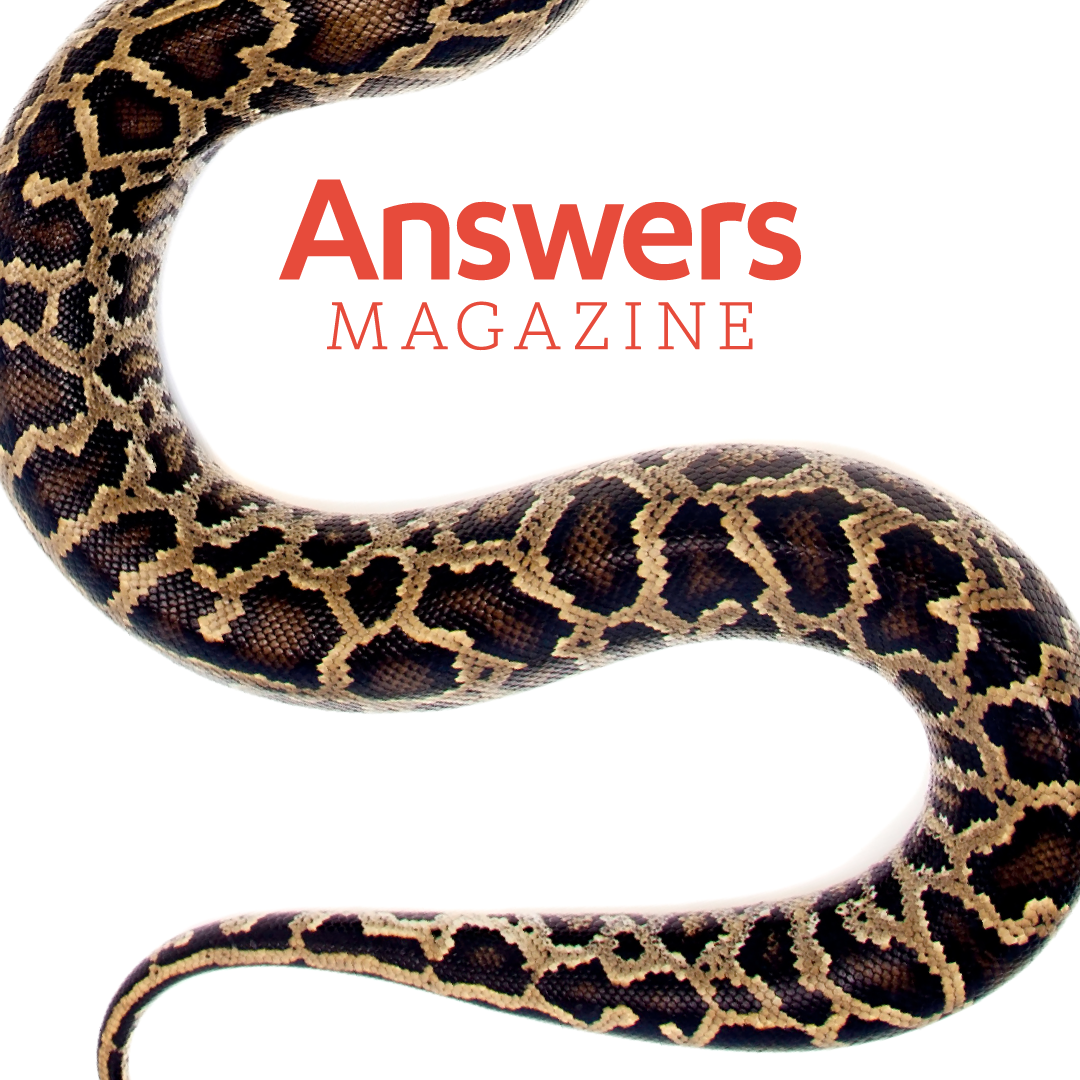
When invasive species clash with native ecosystems, biologists face tangled questions about biblical dominion.
Browse Issue

Support the creation/gospel message by donating or getting involved!

Answers in Genesis is an apologetics ministry, dedicated to helping Christians defend their faith and proclaim the good news of Jesus Christ.
- Customer Service 800.778.3390
- Available Monday–Friday | 9 AM–5 PM ET
- © 2026 Answers in Genesis