

This and That
Poison Resistance
Hazmat Hoppers
The world is full of poisonous animals. How do they take down their own toxins? Scientists have discovered three strategies.
- Genetic Mutation
A genetic mutation changes the shape of the toxin’s target proteins so the toxin cannot attach to them. - Liver
The liver of some animals breaks down the harmful toxins into harmless substances that are eliminated from the body. - Sequestration
Some animals produce a protein that can soak up the toxin, preventing the toxic substance from causing harm.
The People in the Places You Go
Jesus Never Visited Brazil
After graduating with her bachelor’s degree, AiG’s Patricia Engler backpacked 360º around the world in 180 days. Here are some of her tips on how to meet people in other cultures and abide by cultural customs.
What tips do you have for meeting people of other cultures while traveling?
Remember that we are all family—one race, one blood, and image bearers of God.
Make new friends with activities that bypass language barriers. I used to carry a ukulele or craft supplies in my bag. Teaching people to play the uke or helping kids do a simple craft are ways you can have fun without speaking the same language.
Learn and use a few greetings and phrases in the language of your host culture.
How can we be respectful of cultural customs while traveling to new places?
Be gracious. Other cultures will have very different ways of doing many things than what you may be used to.
Be interested. Demonstrate curiosity and an openness to learn about local language, customs, music, foods, etc.
Be humble and teachable. Try not to take yourself too seriously. Remember that you won’t always know what’s going on, and you’ll inevitably make mistakes.
What tools can people use to better understand different cultures and cultural practices on their travels?
Ask someone who is familiar with the culture if there’s anything you should know in advance about local etiquette.
Research to find out what you need to know before visiting the new country.
Read Into It
Three Dead Rulers, One Risen King
Examine more archaeological finds that confirm the Bible’s history in Archaeology and the Bible by Tom Meyer.
A Heart Toward Heaven
How can we understand death and suffering in light of a loving God? Explore this difficult topic in Divine Dilemma by Ken Ham.
Worth a Watch
Rocky Road Trip
Interested in digging deeper into the Great Unconformity, flood evidence, and other geology topics? Check out Geology with Dr. Snelling. Stream it at Answers.tv.
Pretty Deadly
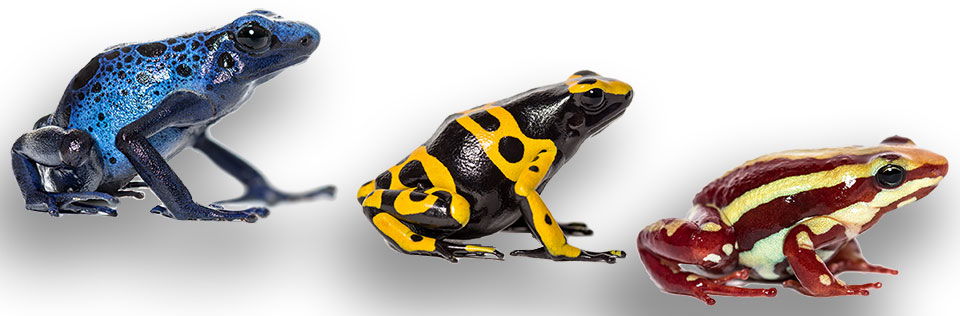
You read about the poison dart frog on page 24. Take a look at these other pretty deadly creatures and see how dart frogs measure up.
Inland Taipan Snake
One bite from this snake can kill at least 100 humans. Without antivenom, a victim can die in as little as 30–45 minutes.
Poison Dart Frog
Most poison frog species are toxic but not deadly. However, the golden poison dart frog has enough poison to kill 20,000 mice or more than 10 adults. Death can occur in less than 10 minutes.
Cone Snail
The venom in some cone snails is enough to kill 20 adults. Left untreated, a victim can die within one to five hours.
Maricopa Harvester Ant
Pain and swelling from a harvester ant bite can last up to four hours. Their venom can be fatal to those who are allergic.
Box Jelly
The amount of venom in just one box jelly can kill 60 adults. An untreated victim will die within two to five minutes.
Blue-Ringed Octopus
This tiny octopus carries enough venom to kill 26 adults in minutes. No known antivenom exists.
Orchard of Eden
Another Walk Through the Garden
When planted together, some plants help each other thrive, resist pests, and taste better. Other plants don’t play so well together. As you plan your own forested garden this spring, be mindful of which plants should be grown together, which should be grown away from each other, and which should grow alone. Here’s a quick list to get you started.
Grow Apart
- corn & tomatoes
- cucumber & sage
- peppers & kale
- beans & onions
Better Together
- tomatoes, peppers, rosemary,
- garlic, basil, oregano, chives
- beans, cucumbers, strawberries
- spinach, thyme, cilantro
- squash, corn, lettuce, peas, marigolds
Grow Alone
- potatoes
- asparagus
- fennel
Modern Slavery
A Biblical View of Juneteenth
More than 50 million people lived in slavery globally in 2024. Of those, 71% were women, and 1 in 8 were children. Modern slavery exists in various forms, many of which involve forced labor or sex work. While some victims are abducted, many are sold by family members, and others are deceived by false job offers.
Modern slavery is not a foreign issue. In the United States, 1.3 in every 1,000 people is enslaved. Most US slavery occurs in agricultural work and along the borders, with ethnic minorities being the largest demographic of victims.
The good news is that you can help continue the fight for freedom:
- Learn where your products come from and buy from reputable sellers. According to Voice for Freedom, “Consumers in the United States buy into slavery every day. The United States imports over $144 billion dollars worth of products created by forced labor or at-risk populations, more than any other country in the world.”
- Support organizations such as Concerned Women for America and Rahab’s Rope.
- Learn how to spot victims of sex trafficking.
- Save sex trafficking hotlines in your phone to report suspicious activity. Many organizations list the numbers on their websites.
Answers Magazine
April–June 2025

There’s a whole world of beautiful places to explore. But what does Jesus’ earthly ministry teach us about truly seeing the world?
Browse Issue
Support the creation/gospel message by donating or getting involved!

Answers in Genesis is an apologetics ministry, dedicated to helping Christians defend their faith and proclaim the good news of Jesus Christ.
- Customer Service 800.778.3390
- Available Monday–Friday | 9 AM–5 PM ET
- © 2026 Answers in Genesis