

This and That
What we didn’t want you to miss
A Poem for Loss
What I Learned When I Lost Everything, p. 27
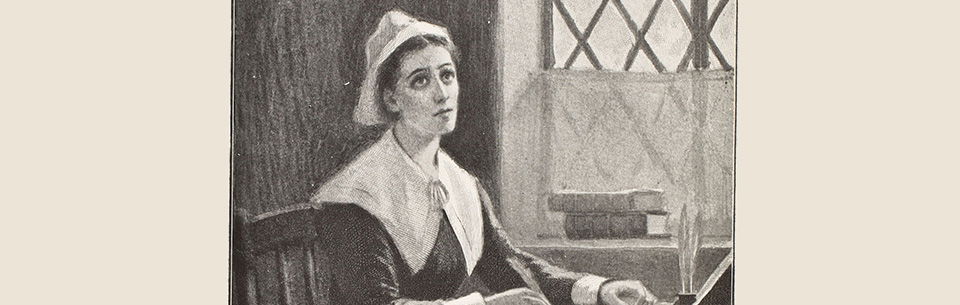
In “Verses upon the Burning of our House, July 10th, 1666,” Puritan poet Anne Bradstreet describes wrestling with faith as she watches her family’s home and possessions burn. But like author Seana Scott, Bradstreet concludes:
There’s wealth enough, I need no more,
Farewell, my pelf, farewell, my store.
The world no longer let me love,
My hope and treasure lies above.
Read the whole poem on https://www.poetryfoundation.org/poems/43707/verses-upon-the-burning-of-our-house-july-10th-1666.
What’s Behind the Metals in Your Phone?
The World in Our Pockets, p. 21
Your cell phone is filled with materials mined from the earth. In some countries, mining practices are not always good for the environment or for the people working in the mines. Because cobalt, a key component in lithium batteries, must be blasted from the ground, often the air near mines is filled with dust. Nearby bodies of water are also contaminated with toxins from the mining process. The workers—sometimes children as young as six—often labor under hazardous, slave-like conditions, especially in the Democratic Republic of the Congo where cobalt is abundant.
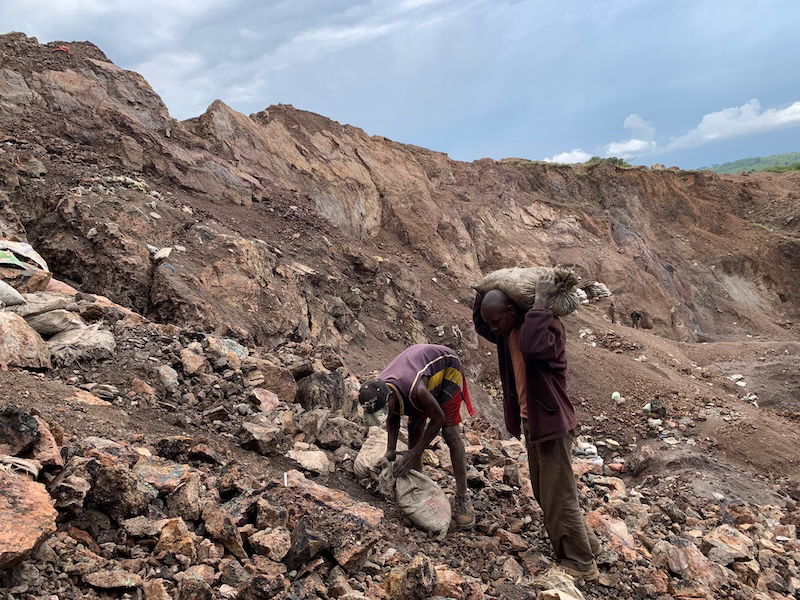
The International Institute for Environment and Development, CC BY 2.5, via Wikimedia Commons
The demand for cobalt is increasing as the demand for lithium rechargeable batteries grows. Thankfully, some tech companies are launching initiatives for safer and more ethical mining practices. Also, scientists are working to find cleaner and more efficient methods for procuring the metal.
Humans are called to wisely steward the earth and everything in it. We should be concerned about the impact mining has on the environment and especially for the image bearers laboring under harsh conditions. What can you do?
- Be informed.
- Choose tech companies that trace their cobalt from mine to product.
- Use your old device until it dies. Don’t trade for the newest model of cell phone, tablet, or computer as soon as it’s released.
Did Curiosity Kill the Cat?
Created to be Curious, p. 12
We’ve all heard the proverb, “Curiosity killed the cat.” But did it really? If you’ve ever watched a dog sniff around on its walk or a kitten bat at an object, you know that many animals are quick to be curious.
So where does the phrase come from? Its first use showed up in the 1598 play Every Man in His Humour by Ben Johnson. It appeared again a year later in Shakespeare’s Much Ado About Nothing. But the original version said, “Care killed the cat”—as in grief or worry. The first printed reference of the current version of the phrase appeared in an 1868 newspaper. No one seems to know why the phrase was changed, especially because several studies have shown that many animals undoubtedly express curiosity and learn from their exploration. The origins of this phrase are truly curious.
Red Wonders
Crimson Cascade, p. 24
You read about Antarctica’s Blood Falls in “Crimson Cascade.” Check out these other crimson landmarks colored by iron oxides on land and by algae in water.
-
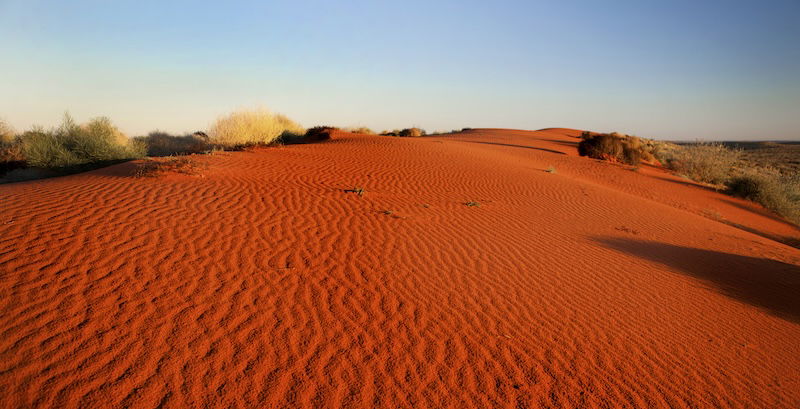
Sand Dunes, Simpson Desert, Australia
-

Antelope Canyon, Arizona
-
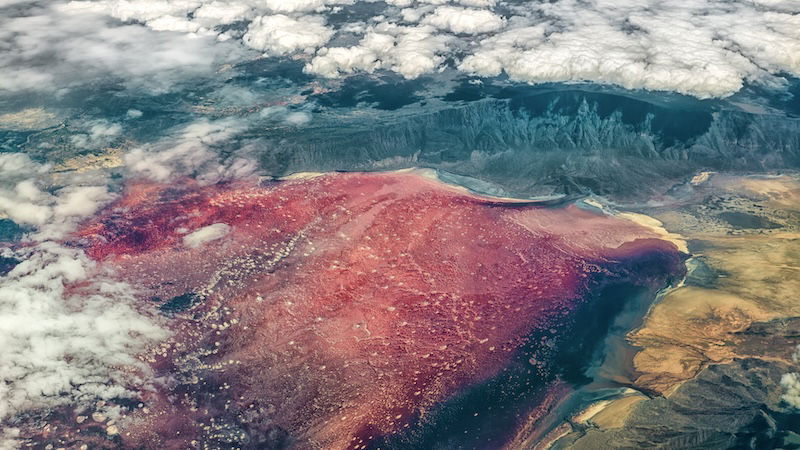
Lake Natron, Tanzania
-
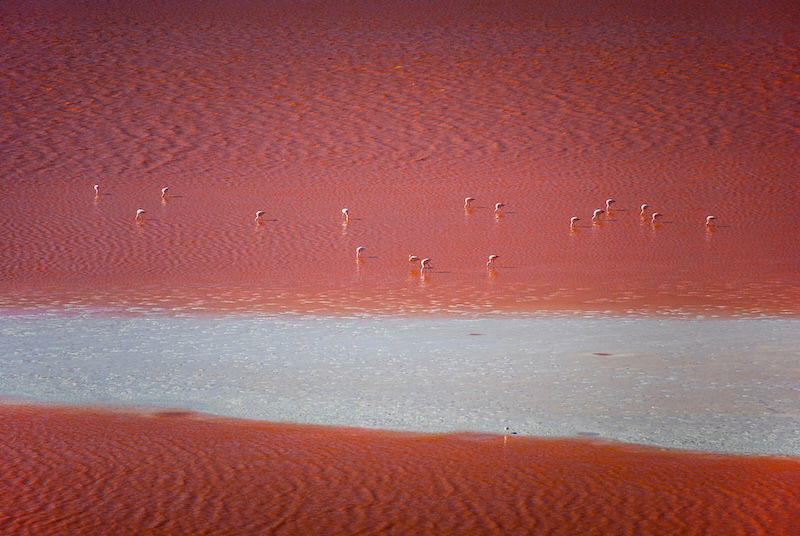
Laguna Colorada, Bolivia
-

Lake Urmia, Iran
Learning to Live Together
Life in the City, p. 36
Humans are coexisting with wild animals and plants in many of the world’s urban landscapes. How can we live safely with the wildlife moving into our spaces?
Stay away.
Not all animals are meant to be cuddled. Observe from a distance. If the animal appears injured, call your local wildlife rehabilitation center.
Don’t share.
Feeding wildlife can cause them to develop a dependency on humans and can even lead to health issues. Avoid tossing food scraps to animals, and secure trash cans or compost bins.
Be protective.
You can protect the local wildlife by avoiding the use of pesticides or other harmful chemicals on your lawn, creating and stewarding greenspaces, and planting native plant species.
Educate yourself.
Learn about the wildlife in your area.
Read Into It
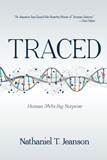
I Wasn’t Supposed to Be There, p. 52
Learn more about Dr. Nathaniel Jeanson’s revolutionary discoveries in Traced.
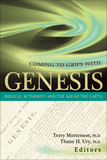
Creation Basics, p. 34
Discover more evidence for the literal history of Genesis in Coming to Grips with Genesis.
Find these titles at AnswersBookstore.com.
Worth a Watch
I Wasn’t Supposed to Be There, p. 52
Want to dive deeper into biology? Check out Research Biology with Dr. Jeanson.
Stream it at Answers.tv.
Answers Magazine
January–March 2025
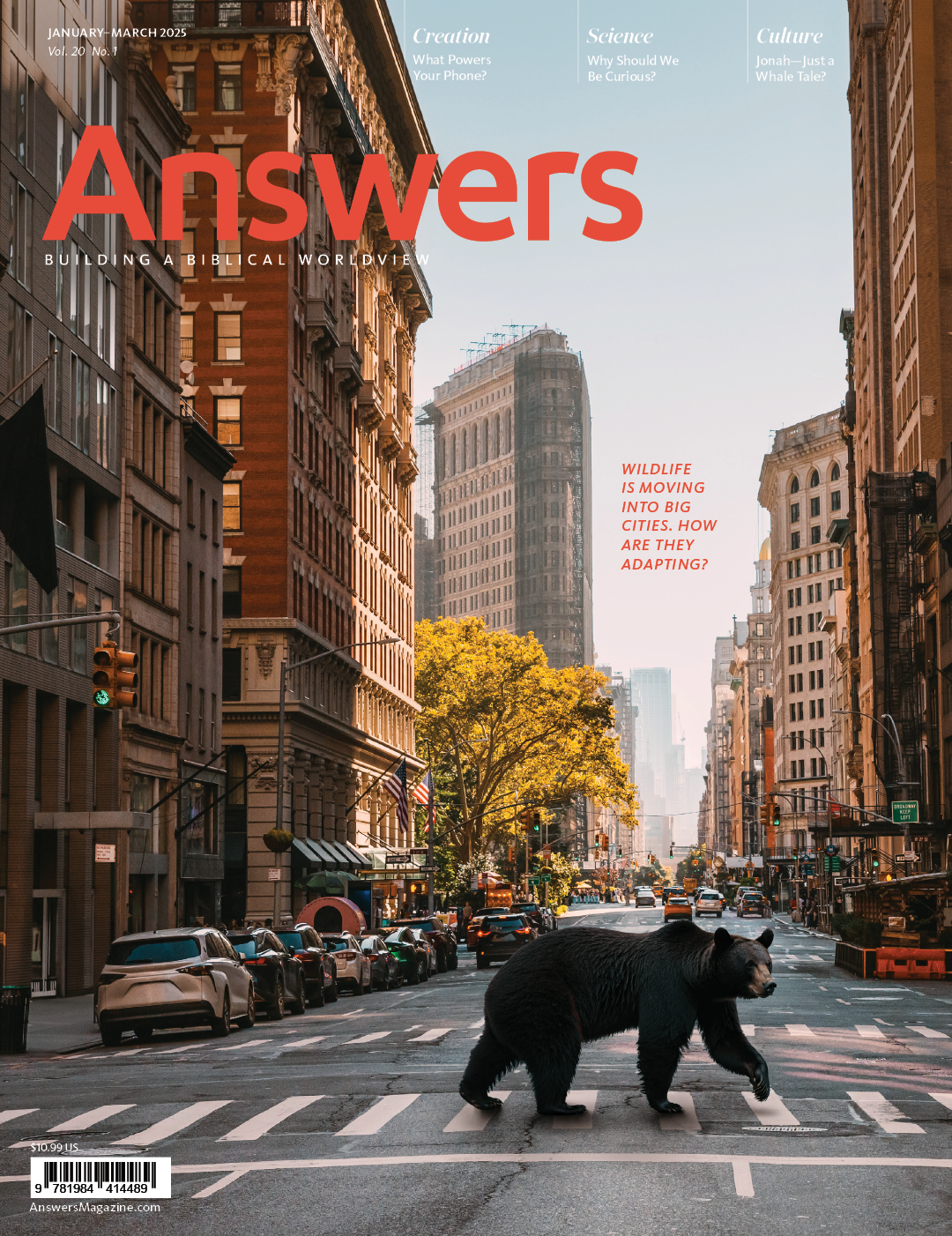
Wildlife is moving into big cites. How are these creatures adapting?
Browse Issue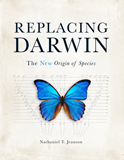
Support the creation/gospel message by donating or getting involved!

Answers in Genesis is an apologetics ministry, dedicated to helping Christians defend their faith and proclaim the good news of Jesus Christ.
- Customer Service 800.778.3390
- Available Monday–Friday | 9 AM–5 PM ET
- © 2026 Answers in Genesis