

Plants
Did Plants Die Before the Fall?
We commonly use the word die to describe when plants, animals, or humans no longer function biologically. However, this is not the definition of the word die or death in the Old Testament. The Hebrew word for die is used only in relation to the death of man or animals with the breath of life, not regarding plants.
Carnivorous Plants
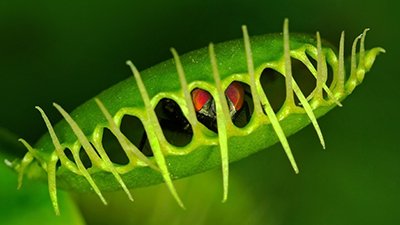
More than 600 species of plants are known to be carnivorous. Today’s carnivorous plants show just how topsy-turvy the world has become. After Adam’s rebellion, God cursed the earth so that it would bring forth “thorns and thistles”. Plants once meant for good can now cause harm.
Evolution of Flowers
Darwin considered the floral biodiversity in the fossil record to be an “abominable mystery” as he could not understand how such variety could appear all at once through evolutionary processes. Evolutionists since Darwin’s time have puzzled over how so many sorts of flowers could evolve so quickly.
Photosynthesis—A Manufacturing Process Like None Other
The ability of plants to produce food from the sun (photosynthesis) is one of the most important and complex biological processes known to scientists. By God’s design, we have more than just spinach to eat. No, The Creator filled the earth with an unimaginable variety and abundance of foods.
Articles About Plants
-
Feb. 12, 2020 from Answers in Depth
An overview of carnivorous plants, differing mechanisms in plants, and whether carnivorous plants contradict the “very good” original creation in Genesis.
-
Nov. 22, 2019 from Answers in Depth
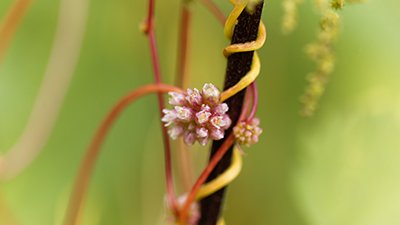
In light of a perfect pre-fall creation, parasitic plants may appear to be a thorny issue for a biblical worldview. But, digging deeper reveals a more biblical understanding.
-
Nov. 5, 2019 from Answers in Depth
Plants communicate in many ways. This article discusses some of the documented “under-the-table” communications.
-
Oct. 8, 2019 from Answers in Depth
Since plants are unable to simply get up and walk, or even shout when in danger, we often think of plants as passive.
-
April 1, 2014 from Answers Magazine
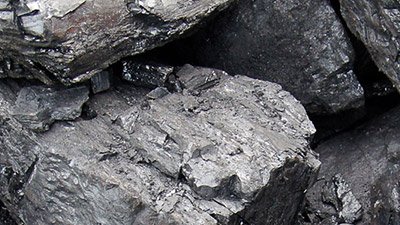
Were enough plants alive at the time of the Flood to produce huge reserves of coal so quickly?
-
In-Depth ArticleMystery Plant of the DesertOct. 23, 2013 from Answers in Depth
There is no other plant like it because it is so strange that some scientists have classified it as the only member of its species, genus, family, and order.
-
In-Depth ArticleThorns and ThistlesApril 27, 2011 from Answers in Depth
Scripture contains many references to plants and agriculture as examples of spiritual realities.
-
In-Depth ArticlePeat Moss—Man’s Wisdom or God’s Wisdom?Oct. 13, 2010 from Answers in Depth
When we examine the world in the light of God’s Word, what we see makes sense—including the amazing design of Sphagnum peat moss.
-
July 7, 2010 from Answers Magazine
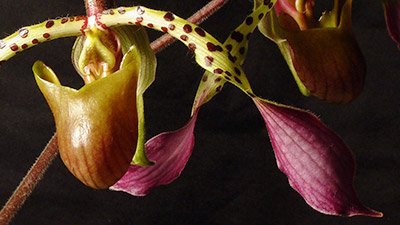
The existence of thousands of orchid species staggers the imagination. Yet each species seems perfectly adapted for the insects that pollinate the flower.
-
In-Depth ArticleOrigin of PhotosynthesisMay 16, 2007 from Answers in Depth
Certainly evolutionsts do not believe that bacteria consciously invented photosynthesis. So, what evolutionary mechanisms might be responsible for bacteria being able to “invent” photosynthesis?
PDF Download



Support the creation/gospel message by donating or getting involved!

Answers in Genesis is an apologetics ministry, dedicated to helping Christians defend their faith and proclaim the good news of Jesus Christ.
- Customer Service 800.778.3390
- Available Monday–Friday | 9 AM–5 PM ET
- © 2026 Answers in Genesis